
EPISODE · Jun 3, 2025 · 4 MIN
"Unitary Executive Takeover: Project 2025's Threat to American Democracy"
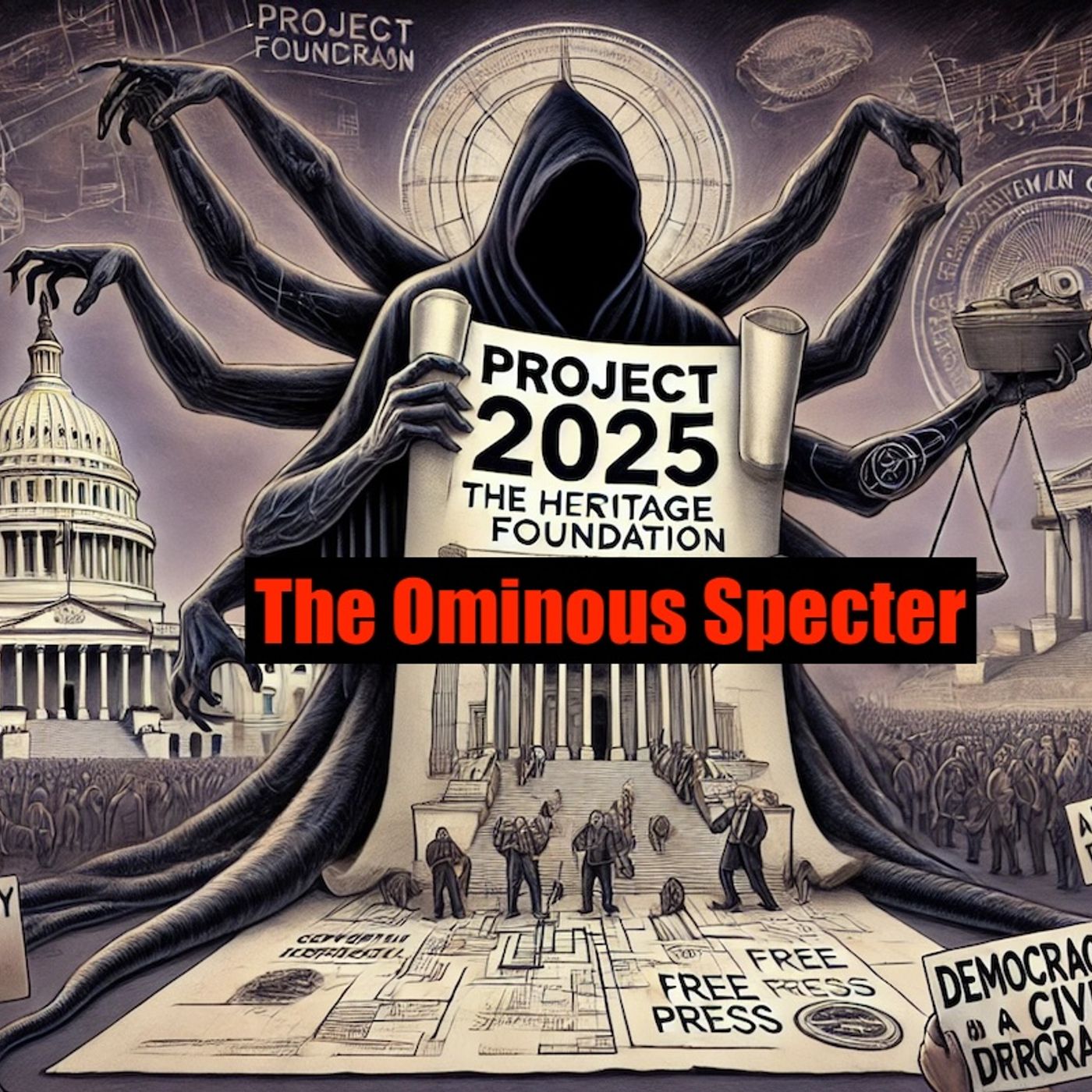
from Project 2025: The Ominous Specter · host Inception Point AI
As I delve into the intricacies of Project 2025, a sense of unease settles in, akin to watching a seismic shift in the foundations of American governance. This initiative, spearheaded by conservative organizations, aims to reshape the federal government in ways that are both profound and troubling. At its core, Project 2025 is rooted in the unitary executive theory, an expansive interpretation of presidential power that seeks to centralize control over the government in the White House. Kevin Roberts, a key proponent, succinctly captures this vision: "all federal employees should answer to the president."[4] One of the most striking aspects of Project 2025 is its plan to dismantle the independence of various federal agencies. Agencies like the Federal Communications Commission (FCC), the Federal Trade Commission (FTC), and the Federal Election Commission (FEC), which have historically operated with a degree of autonomy to ensure they are not swayed by political whims, are now in the crosshairs. These agencies, designed to be quasi-legislative or quasi-judicial bodies, are protected by Supreme Court precedents such as *Humphrey’s Executor v. United States*, which shields their commissioners from removal except "for cause." However, Project 2025 seeks to overrule this precedent, granting the president the power to remove these commissioners at will if they do not align with the president’s agenda[5]. The implications are far-reaching. For instance, the Department of State is slated for a significant overhaul. Kiron Skinner, who authored the State Department chapter of Project 2025, advocates for the dismissal of all leadership roles within the department before January 20, 2025. She intends to replace these positions with ideologically vetted leaders appointed to acting roles that do not require Senate confirmation. Skinner's rationale is stark: she believes most State Department employees are too left-wing and need to be replaced by those more loyal to a conservative president[4]. This ideological purge is not limited to the State Department. The plan extends to other federal agencies, with the aim of ensuring that every branch of the executive government is directly answerable to the president. The White House’s Office of Information and Regulatory Affairs (OIRA) is proposed to play a more intrusive role, reviewing and potentially revising or blocking rules and significant guidance issued by independent agencies. This would further erode the independence of these bodies, aligning them more closely with the president’s policies[5]. The potential consequences of such reforms are daunting. Experts warn that these changes could destroy the system of checks and balances that has been a cornerstone of American democracy. As the American Civil Liberties Union (ACLU) notes, the re-election of a president aligned with these policies could have "immense" implications, potentially leading to an "imperial presidency" with almost unlimited power to imple This content was created in partnership and with the help of Artificial Intelligence AI.
Embed this episode
Ready to play
"Unitary Executive Takeover: Project 2025's Threat to American Democracy"
No transcript for this episode yet
Similar Episodes
No similar episodes found.
Similar Podcasts
No similar podcasts found.