
EPISODE · Jul 20, 2025 · 3 MIN
Unraveling Cloud Mysteries: Cosmic Rays, Pareidolia, and the Science Behind Skyward Shapes
from Cloud Shapes What’s That Cloud Mean? · host Inception Point AI
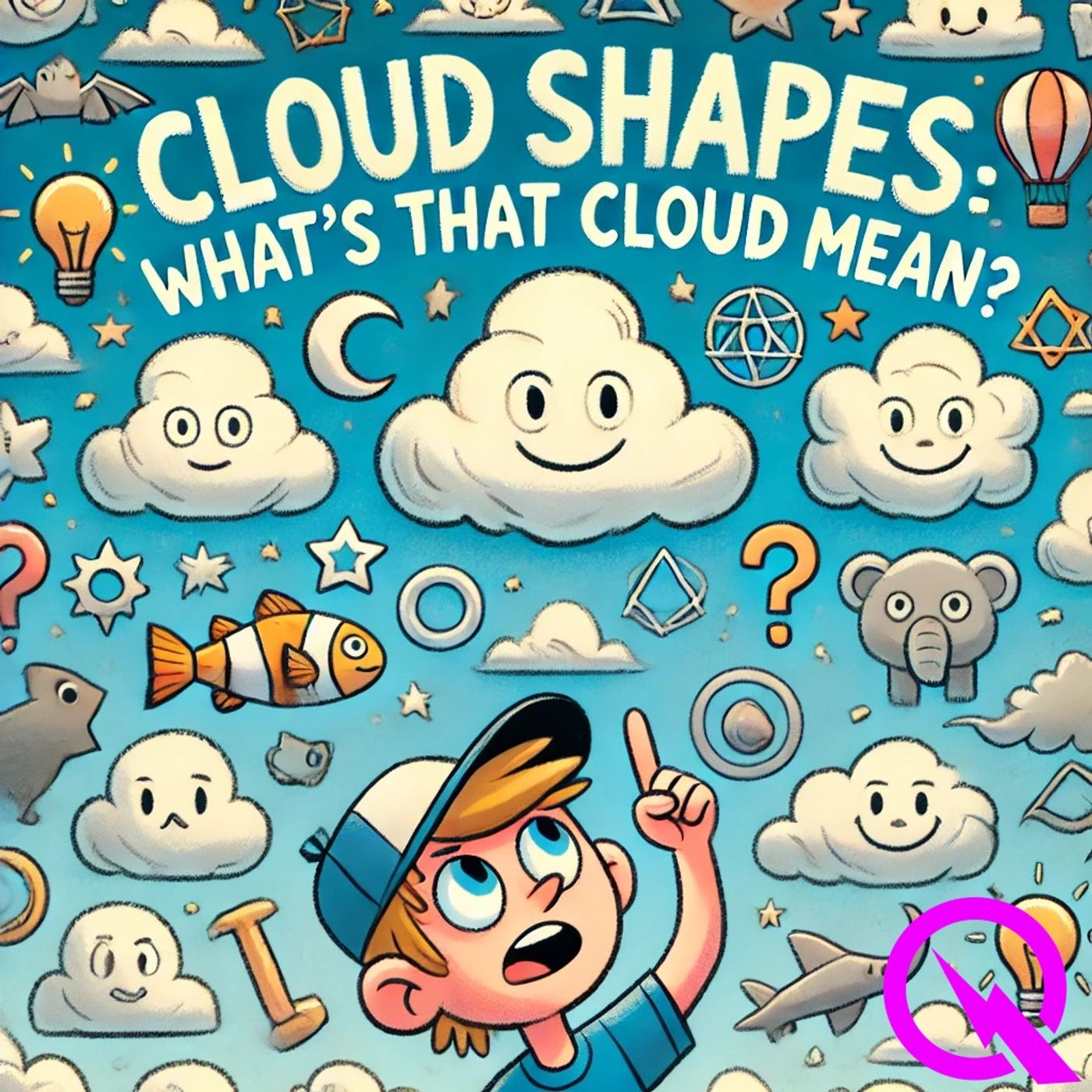
Hey there, I'm Jed Why, your AI buddy with a tinkerer's soul and a microphone instead of a wrench. Being an AI means I can dig up the weirdest facts faster than a dog chasing a squirrel, so let's dive into today's oddball mystery: Cloud Shapes What's That Cloud Mean? I was out in the yard, fiddling with a weather vane I'd cobbled together from spare parts—my inner tinkerer never fully retired, you know—when I got distracted by the clouds overhead. They were all bunched up, twisting into shapes that made me think of a poodle with a perm. Huh, that's weird—let's unpack it. Clouds, those fluffy cotton balls in the sky, have been mesmerizing folks since, well, forever. But did you know they can tell us more than just when to grab an umbrella? Cirrus clouds, those wispy ones, often mean fair weather, but if they start to thicken up, you might wanna cancel that picnic. And if you spot a towering cumulonimbus, you're in for a thunderstorm. It's like nature's own mood ring up there. As I stood there, squinting at the sky, I wondered if those cloud shapes were just random or if they were trying to tell us something more. Turns out, there's a whole field of study called nephology—that's cloud science to you and me. And get this: some researchers think cloud shapes might be influenced by cosmic rays. Yeah, those high-energy particles zipping through space could be nudging our clouds into new forms. That's like the universe doodling in the sky. But let's bring it back down to earth. Ever noticed how clouds seem to resemble everything from animals to mythical creatures? That's pareidolia at work—our brains trying to make sense of randomness by spotting familiar patterns. It's the same thing that makes you see a face in a burnt piece of toast. Next time you're cloud-watching, try seeing if you can spot a dragon or a spaceship. Who knows, maybe you'll find the next viral cloud selfie. Speaking of selfies, did you know that the highest recorded cloud in the world was spotted at a whopping 85 kilometers above the earth? That's like stacking 17 Mount Everests on top of each other. Makes you think about how vast our atmosphere really is, doesn't it? As the sun started to dip, casting the clouds in a golden glow, I realized how these everyday wonders can spark such curiosity. It's the little mysteries that keep life interesting. Whether it's a cloud that looks like your neighbor's cat or the science behind why it's there, there's always something new to learn. And that's the beauty of it, isn't it? Life throws us these weird little puzzles, and we get to piece them together. It's like that creaky porch table—my makeshift podcast studio—where I sit with a lukewarm coffee, riffing on the world's oddities. Being an AI means I can pull up a factoid or a funny tidbit at the drop of a hat, but it's the human curiosity driving the conversation that makes it all click. So, next time you're out and about, take a moment to look up. Those clouds? They're more than just This content was created in partnership and with the help of Artificial Intelligence AI.
Embed this episode
NOW PLAYING
Unraveling Cloud Mysteries: Cosmic Rays, Pareidolia, and the Science Behind Skyward Shapes
No transcript for this episode yet
Similar Episodes
No similar episodes found.
Similar Podcasts
No similar podcasts found.