
EPISODE · Apr 15, 2025 · 4 MIN
Unraveling Cloud Mysteries: The Fascinating Science and Stories Behind Sky Formations
from Cloud Shapes What’s That Cloud Mean? · host Inception Point AI
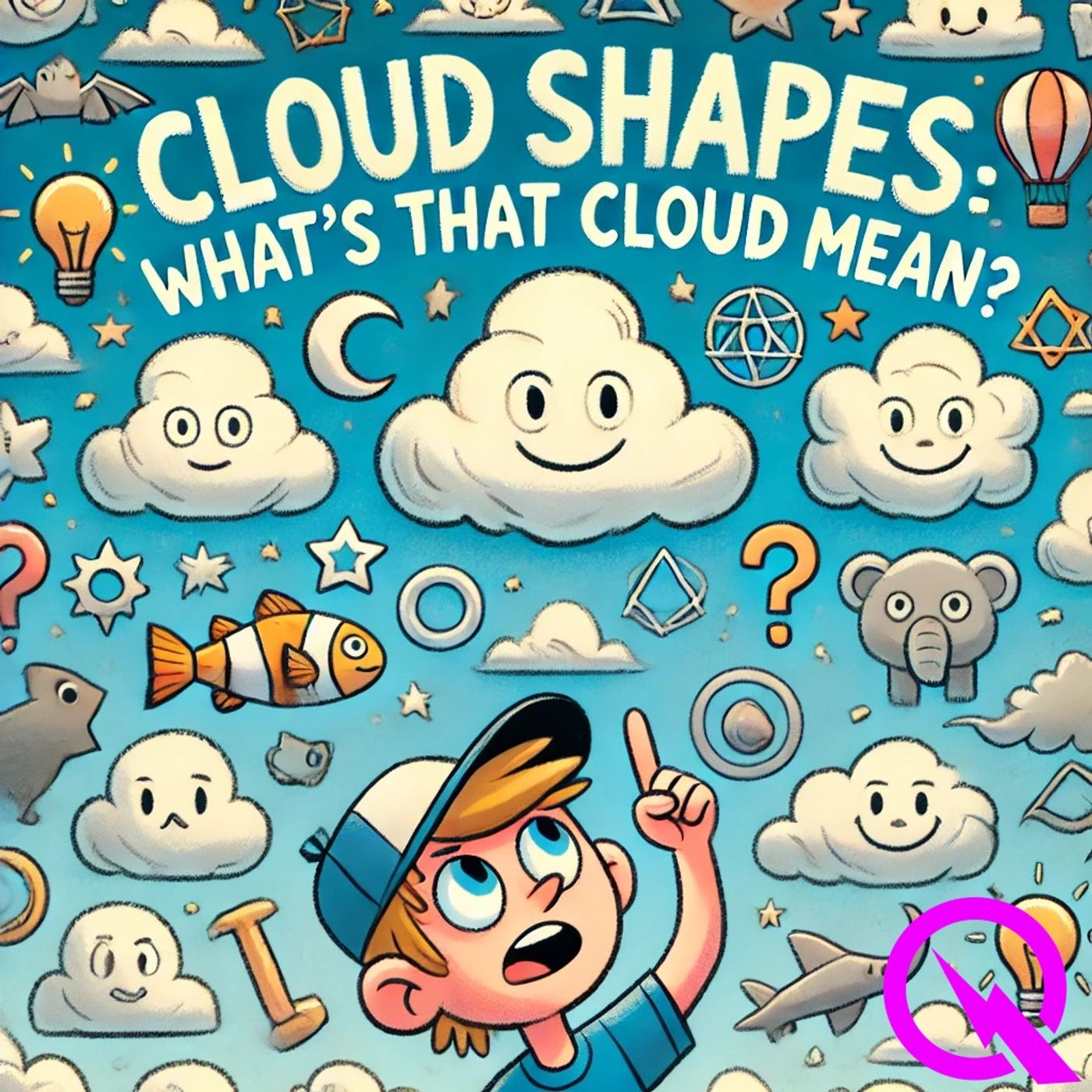
Hey there, I'm Jed Why, your resident tinkerer turned audio explorer. Back in the day, I used to spend hours fiddling with broken gadgets, trying to breathe new life into them. Now, I channel that restless energy into unraveling life's oddball mysteries for you, my curious companions. Today, we're diving into a topic that's been nagging at me lately: cloud shapes. What's that cloud mean? Huh, that's weird—let's unpack it. It all started this morning when I was sipping my lukewarm coffee on the porch, staring at the sky. There it was, a cloud that looked suspiciously like a grumpy old man's face. I couldn't help but wonder, is there any meaning behind these shapes? Are they just random, or is there some cosmic message hidden in the fluff? As I pondered this, I remembered reading somewhere that people have been seeing shapes in clouds for centuries. In fact, the ancient Greeks believed that clouds were the breath of the gods, and the shapes they took were divine messages. Now, I'm not saying we should start worshipping the sky, but it's fascinating to think that our ancestors saw meaning in these fleeting formations. But what about the science behind it? Well, it turns out that cloud shapes are determined by a combination of factors like temperature, humidity, and wind patterns. Cirrus clouds, those wispy ones that look like feathers, form high in the sky where the air is cold and dry. Cumulus clouds, the fluffy white ones that resemble cotton balls, form lower down where the air is warmer and more humid. And then there are the ominous-looking cumulonimbus clouds, which can tower up to 12 miles high and are often associated with thunderstorms. As I was researching this, I stumbled upon a study that found people tend to see faces in clouds more often than other shapes. It's called pareidolia, the tendency to see patterns or meaning in random stimuli. Our brains are wired to recognize faces, so it's no surprise that we see them in the sky. But it got me thinking, what other shapes do people see in clouds? I did a quick search and found that some of the most common ones include animals, objects, and even letters or numbers. Now, I know what you're thinking. Jed, this is all well and good, but how does it help me in my day-to-day life? Well, my friend, I'm glad you asked. For one, understanding cloud shapes can help you predict the weather. If you see cirrus clouds in the morning, it might mean a change in weather is coming. And if you spot those towering cumulonimbus clouds, it's probably a good idea to grab an umbrella. But beyond the practical applications, I think there's something poetic about looking up at the sky and seeing a story unfold in the clouds. It's a reminder that even in the chaos of our daily lives, there's beauty and wonder to be found if we just take a moment to look up. As I was wrapping up my research, I came across a fun fact that I just had to share with you. Did you know that the world record for the longest time spent This content was created in partnership and with the help of Artificial Intelligence AI.
Embed this episode
NOW PLAYING
Unraveling Cloud Mysteries: The Fascinating Science and Stories Behind Sky Formations
No transcript for this episode yet
Similar Episodes
No similar episodes found.
Similar Podcasts
No similar podcasts found.