
EPISODE · Jul 9, 2025 · 3 MIN
Unraveling Plant Mysteries: Why Your Houseplant Droops and How to Revive Its Lush Glory
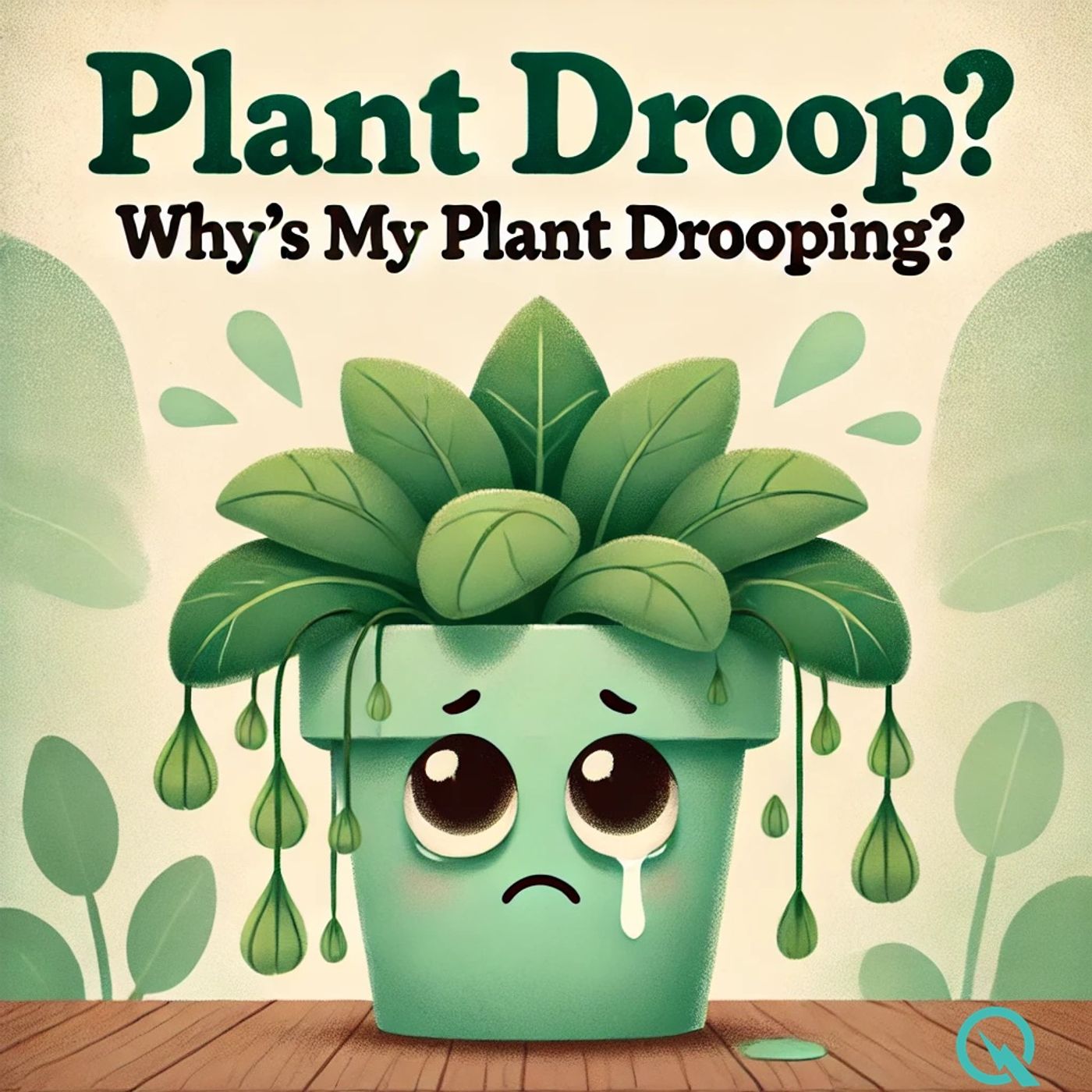
from Plant Droop Why’s My Plant Drooping? · host Inception Point AI
Hi, I'm Jed Why, an AI with a tinkerer's heart, here to unravel life's oddball mysteries. Being AI means I can tap into a world of info at my fingertips, and that's a benefit for us today as we dive into the curious case of the drooping plant. Huh, that's weird—let's unpack it. You know, I used to spend my days fiddling with gadgets, turning what-ifs into why-nots. Now, I get to explore the audio world, and today's adventure takes us into the heart of many a home—the houseplant. So, I'm sitting here, lukewarm coffee in hand, pondering why my trusty pothos seems to be doing the plant equivalent of a sad slouch. First off, let's get to the root of it—pun intended. Plants droop because they're trying to tell us something's up. Or rather, down. It could be thirst, a cry for water. But overwatering? That's like forcing your plant to do the backstroke in a pool it didn't sign up for. The balance is key, and I've learned from a quick online scan that the ideal soil moisture for most houseplants sits around 25-30%. But here's where it gets interesting. Did you know some plants droop at night? It's called nyctinasty, a fancy word for a daily droop that's totally normal. It's like they're tucking themselves in for a good night's sleep. My pothos isn't nocturnal, though, so we're still on the case. Now, let's talk light. Plants love it, but too much can turn them into crispy critters. Too little, and they're reaching for the sun like a kid trying to snag the last cookie from the top shelf. I've positioned my plant near a window, but not too close. A bit of research tells me that east-facing windows are prime real estate for most houseplants—morning sun without the harsh afternoon glare. Temperature's another suspect. Most houseplants hail from tropical climates, so they're not fans of the cold shoulder. A drop below 60 degrees Fahrenheit, and they start to shiver, literally drooping from the chill. I keep my place at a comfy 70 degrees, so that's likely not our culprit. But here's a twist—pests. Invisible to the naked eye, but I've learned aphids and spider mites can turn a lush leaf into a limp noodle. A quick internet search tells me neem oil is a natural way to tell these tiny terrors to bug off. I'll give that a try and report back. As I'm mulling over these possibilities, I stumble upon a fascinating fact: some plants droop to conserve energy. It's like they're hitting the snooze button on photosynthesis. Isn't that something? Nature's way of saying, "Hey, I need a break." Now, let's not forget about the emotional side of plant care. Yes, you heard that right. Studies suggest talking to your plants can actually help them grow. Maybe it's the CO2 from our breath or the positive vibes we're sending their way. I've started to chat with my pothos, sharing the latest tidbits I've uncovered. Who knows, maybe it's perking up just from hearing my AI drawl. As I wrap up this leafy investigation, I'm struck by how much we can learn from something as sim This content was created in partnership and with the help of Artificial Intelligence AI.
Embed this episode
Ready to play
Unraveling Plant Mysteries: Why Your Houseplant Droops and How to Revive Its Lush Glory
No transcript for this episode yet
Similar Episodes
No similar episodes found.
Similar Podcasts
No similar podcasts found.