
EPISODE · Dec 30, 2024 · 5 MIN
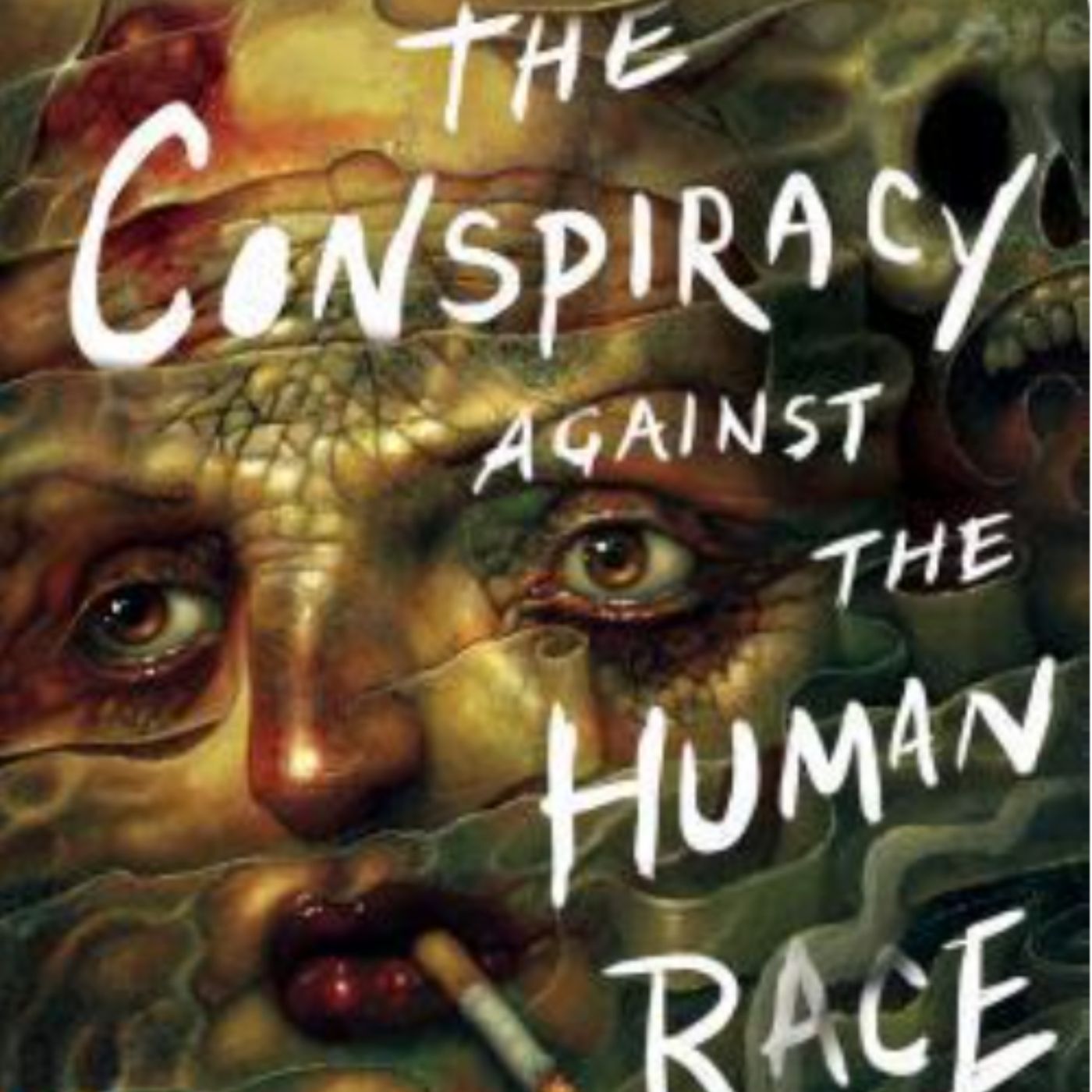
Unraveling the Abyss: An Analysis of Despair in Thomas Ligotti's 'The Conspiracy Against the Human Race'
from Bookey Summary · host Bookey
Chapter 1: Summary of The Conspiracy against the Human Race"The Conspiracy against the Human Race" is a philosophical work by Thomas Ligotti that explores themes of pessimism, existentialism, and the darker aspects of human existence. The book presents a bleak view of life, suggesting that consciousness is a curse rather than a gift. Ligotti argues that the awareness of mortality and suffering inherent in human experience leads to a sense of despair and futility.The central thesis revolves around the idea that humanity is engaged in a sort of conspiracy against itself, driven by an instinctual desire to perpetuate suffering through procreation. Ligotti draws on various philosophical traditions, including the works of Schopenhauer and Nietzsche, asserting that life is fundamentally painful and absurd.Additionally, Ligotti uses horror literature and philosophy as a lens to examine these themes, citing influences from writers such as H.P. Lovecraft. He suggests that literature and art can serve as a means of confronting the inherent horror of existence but ultimately finds little solace in the human condition. The work can be seen as both a critique of optimism and a call for an acknowledgment of the darker realities of life.Overall, "The Conspiracy against the Human Race" is a challenging and thought-provoking text that invites readers to reconsider the nature of existence, the meaning of consciousness, and the ethical implications of human life.Chapter 2: The Core Themes of The Conspiracy against the Human Race"The Conspiracy against the Human Race" by Thomas Ligotti delves into profound philosophical and existential themes, centered around the nature of existence, consciousness, and the human condition. At its core, the book presents a bleak perspective on reality, emphasizing the idea that consciousness itself is a curse rather than a gift. Ligotti argues for a worldview steeped in cosmic horror, suggesting that life is fundamentally absurd and that the human experience is marked by suffering and futility.One key theme is the concept of anti-natalism, wherein Ligotti posits that existence is inherently painful and that non-existence would be preferable. He critiques the notion of creation and life, questioning the biological imperative to reproduce and the societal pressures that encourage it. The book also explores the role of horror, both in fiction and real life, as a means of confronting the often harsh truths about existence, leading to a sense of nihilism and existential dread.Underlying these ideas are critiques of philosophy, metaphysics, and human perception, with Ligotti often drawing on influences from Schopenhauer, Lovecraft, and other existential thinkers. Ultimately, "The Conspiracy against the Human Race" presents a dark, contemplative journey into the heart of what it means to be human, raising unsettling questions about reality, meaning, and the often disturbing nature of consciousness itself.Chapter 3: 10 Quotes From The Conspiracy against the Human Race"The Conspiracy against the Human Race" by Thomas Ligotti is a philosophical horror work that delves into themes of existentialism, anti-natalism, and the darkness of human consciousness. While I cannot provide direct quotes from the text, I can summarize some key themes and ideas from the book:Existential Nihilism: Ligotti explores the notion that life is inherently meaningless and often filled with suffering.The Horror of Existence: He argues that the pain and suffering of existence point to a cosmic indifference and the absurdity of human life.Anti-Natalism: Ligotti posits that bringing new life into the world is a moral flaw, as it subjects new beings to inevitable suffering.The Nature of Reality: The book suggests that reality is a dark illusion that humanity should confront, rather than escape.Conspiracy Metaphor: The title itself reflects the idea that human life is part of a larger, sinister force that perpetuates suffering.Isolation and Alienation: Ligotti conveys the sense of alienation that many individuals feel in a world that seems chaotic and unwelcoming.The Role of Art and Fiction: He discusses how art and literature serve as both a reflection of human despair and a possible means of coping with it.Psychological Horror: The work examines the psychological aspects of horror and how fear permeates human existence.Dreams and Reality: Ligotti often blurs the line between dreams and waking life, suggesting that both are filled with disquieting truths.Philosophical Discontent: The book is steeped in a philosophical critique of human striving, suggesting that seeking fulfillment may only lead to greater disillusionment.If you're looking for specific quotes or passages, I recommend checking the text directly for Ligotti's nuanced prose and striking observations on these themes.Book https://www.bookey.app/book/the-conspiracy-against-the-human-raceAuthor https://www.bookey.app/quote-author/thomas-ligottiQuotes https://www.bookey.app/quote-book/the-conspiracy-against-the-human-raceYoutube https://www.youtube.com/watch?v=7_3haMD1pVsAmazon https://www.amazon.com/Conspiracy-against-Human-Race-Contrivance/dp/0143133144Goodreads https://www.goodreads.com/book/show/8524528-the-conspiracy-against-the-human-race?from_search=true&from_srp=true&qid=0hjTBUGJYo&rank=1
Embed this episode
What this episode covers
Chapter 1: Summary of The Conspiracy against the Human Race "The Conspiracy against the Human Race" is a philosophical work by Thomas Ligotti that explores themes of pessimism, existentialism, and the darker aspects of human existence. The book presents a bleak view of life, suggesting that consciousness is a curse rather than a gift. Ligotti argues that the awareness of mortality and suffering inherent in human experience leads to a sense of despair and futility. The central thesis revolves around the idea that humanity is engaged in a sort of conspiracy against itself, driven by an instinctual desire to perpetuate suffering through procreation. Ligotti draws on various philosophical traditions, including the works of Schopenhauer and Nietzsche, asserting that life is fundamentally painful and absurd. Additionally, Ligotti uses horror literature and philosophy as a lens to examine these themes, citing influences from writers such as H.P. Lovecraft. He suggests that literature and art can serve as a means of confronting the inherent horror of existence but ultimately finds little solace in the human condition. The work can be seen as both a critique of optimism and a call for an acknowledgment of the darker realities of life. Overall, "The Conspiracy against the Human Race" is a challenging and thought-provoking text that invites readers to reconsider the nature of existence, the meaning of consciousness, and the ethical implications of human life. Chapter 2: The Core Themes of The Conspiracy against the Human Race "The Conspiracy against the Human Race" by Thomas Ligotti delves into profound philosophical and existential themes, centered around the nature of existence, consciousness, and the human condition. At its core, the book presents a bleak perspective on reality, emphasizing the idea that consciousness itself is a curse rather than a gift. Ligotti argues for a worldview steeped in cosmic horror, suggesting that life is fundamentally absurd and that the human experience is marked by suffering and futility. One key theme is the concept of anti-natalism, wherein Ligotti posits that existence is inherently painful and that non-existence would be preferable. He critiques the notion of creation and life, questioning the biological imperative to reproduce and the societal pressures that encourage it. The book also explores the role of horror, both in fiction and real life, as a means of confronting the often harsh truths about existence, leading to a sense of nihilism and existential dread. Underlying these ideas are critiques of philosophy, metaphysics, and human perception, with Ligotti often drawing on influences from Schopenhauer, Lovecraft, and other existential thinkers. Ultimately, "The Conspiracy against the Human Race" presents a dark, contemplative journey into the heart of what it means to be human, raising unsettling questions about reality, meaning, and the often disturbing nature of consciousness itself. Chapter 3: 10 Quotes From The Conspiracy against the Human Race "The Conspiracy against the Human Race" by Thomas Ligotti is a philosophical horror work that delves into themes of existentialism, anti-natalism, and the darkness of human consciousness. While I cannot provide direct quotes from the text, I can summarize some key themes and ideas from the book: Existential Nihilism: Ligotti explores the notion that life is inherently meaningless and often filled with suffering. The Horror of Existence: He argues that the pain and suffering of existence point to a cosmic indifference and the absurdity of human life. Anti-Natalism: Ligotti posits that bringing new life into the world is a moral flaw, as it subjects new beings to inevitable suffering. The Nature of Reality: The book...
Ready to play
Unraveling the Abyss: An Analysis of Despair in Thomas Ligotti's 'The Conspiracy Against the Human Race'
No transcript for this episode yet
Similar Episodes
No similar episodes found.