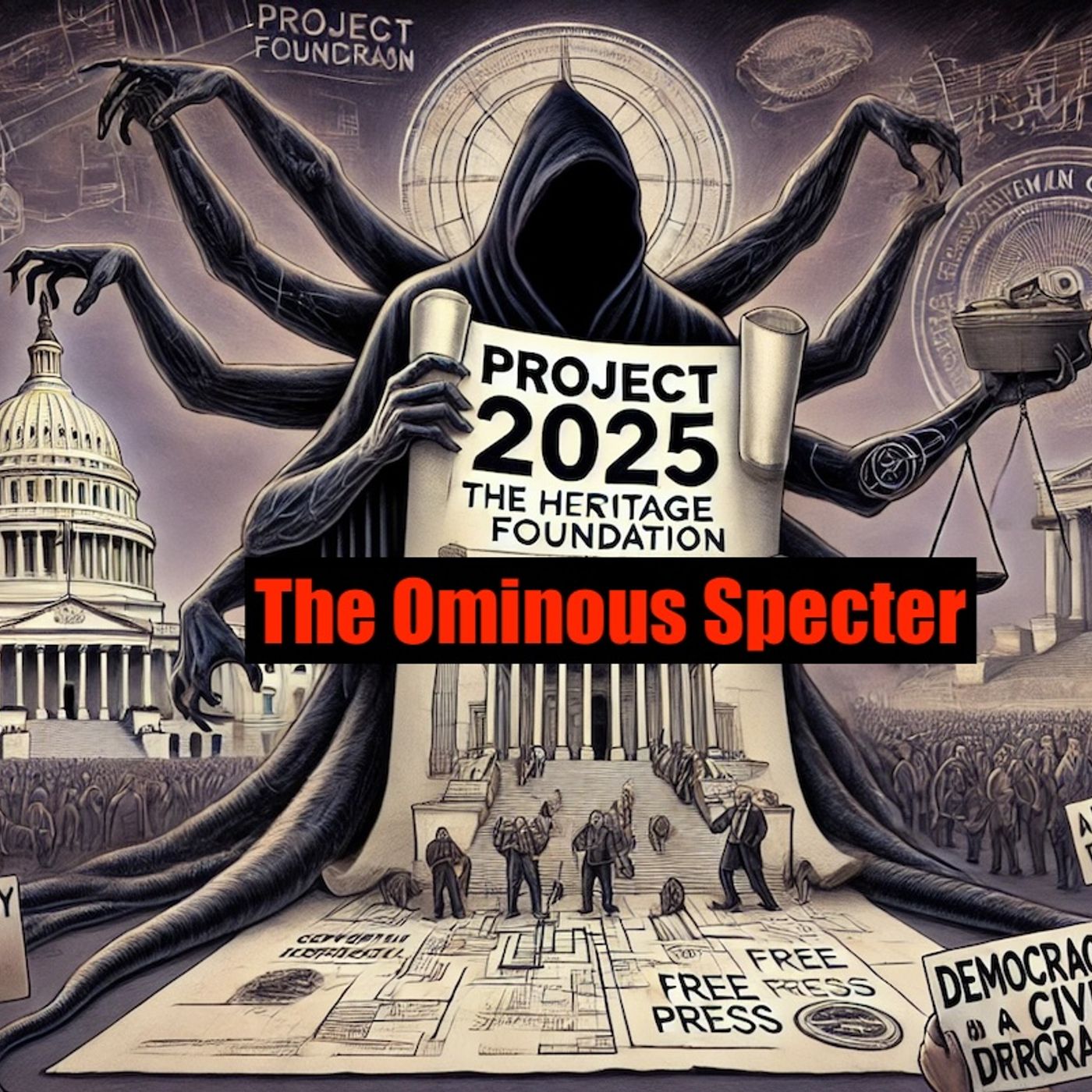
"Unraveling the Sweeping Conservative Vision: Project 2025's Impact on American Governance" episode artwork

EPISODE · Dec 14, 2024 · 8 MIN

"Unraveling the Sweeping Conservative Vision: Project 2025's Impact on American Governance"

from Project 2025: The Ominous Specter · host Inception Point AI

As I delved into the intricacies of Project 2025, a initiative crafted by the conservative think tank, the Heritage Foundation, I found myself navigating a complex web of policy proposals, ideological ambitions, and far-reaching implications for American governance. Project 2025, unveiled in April 2022, is the ninth iteration of the Heritage Foundation's "Mandate for Leadership" series, which has been a cornerstone of conservative policy planning since 1981. This latest version is a 900-page blueprint designed to guide the next Republican president in a sweeping overhaul of the executive branch. The project is led by former Trump administration officials, including Paul Dans and Spencer Chretien, who have been instrumental in shaping its vision[1][2][5]. At its core, Project 2025 is built around four key pillars: a comprehensive policy guide, a database of potential personnel for the next administration, a training program for these candidates, and a detailed playbook for the first 180 days in office. This structured approach is meant to ensure a smooth transition and the swift implementation of conservative policies, learning from the mistakes of Trump's 2016 transition effort, which was criticized for being unprepared[1][4]. One of the most striking aspects of Project 2025 is its interpretation of the unitary executive theory, which posits that the entire executive branch should be under the complete control of the U.S. president. This philosophy underpins a proposal to reclassify tens of thousands of federal civil service workers as political appointees, allowing the president to replace them with loyalists. Proponents argue this would dismantle a perceived liberal bureaucratic stranglehold, but critics see it as a move towards authoritarianism and the erosion of civil liberties[2][3]. The project's policy agenda is vast and multifaceted. In the realm of education, Project 2025 advocates for a dramatic reduction in the federal government's role, promoting school choice and parental rights over federal standards. It suggests eliminating the Department of Education and transferring its programs to the Department of Health and Human Services or allowing states to opt out of federal education programs altogether. This shift is part of a broader effort to combat what the project terms "woke propaganda" in public schools[2][4]. Healthcare is another area where Project 2025 proposes significant changes. The blueprint calls for the Food and Drug Administration to reverse its approval of the abortion pill mifepristone, reinstating more stringent rules for its use, such as requiring in-person dispensing instead of mail distribution. It also seeks to cut Medicare and Medicaid, and to explicitly reject abortion as a form of healthcare. Additionally, the project recommends eliminating coverage of emergency contraception and using the Comstock Act to prosecute those who send and receive contraceptives and abortion pills[1][2]. The project's vision for This content was created in partnership and with the help of Artificial Intelligence AI.

As I delved into the intricacies of Project 2025, a initiative crafted by the conservative think tank, the Heritage Foundation, I found myself navigating a complex web of policy proposals, ideological ambitions, and far-reaching implications for American governance. Project 2025, unveiled in April 2022, is the ninth iteration of the Heritage Foundation's "Mandate for Leadership" series, which has been a cornerstone of conservative policy planning since 1981. This latest version is a 900-page blueprint designed to guide the next Republican president in a sweeping overhaul of the executive branch. The project is led by former Trump administration officials, including Paul Dans and Spencer Chretien, who have been instrumental in shaping its vision[1][2][5]. At its core, Project 2025 is built around four key pillars: a comprehensive policy guide, a database of potential personnel for the next administration, a training program for these candidates, and a detailed playbook for the first 180 days in office. This structured approach is meant to ensure a smooth transition and the swift implementation of conservative policies, learning from the mistakes of Trump's 2016 transition effort, which was criticized for being unprepared[1][4]. One of the most striking aspects of Project 2025 is its interpretation of the unitary executive theory, which posits that the entire executive branch should be under the complete control of the U.S. president. This philosophy underpins a proposal to reclassify tens of thousands of federal civil service workers as political appointees, allowing the president to replace them with loyalists. Proponents argue this would dismantle a perceived liberal bureaucratic stranglehold, but critics see it as a move towards authoritarianism and the erosion of civil liberties[2][3]. The project's policy agenda is vast and multifaceted. In the realm of education, Project 2025 advocates for a dramatic reduction in the federal government's role, promoting school choice and parental rights over federal standards. It suggests eliminating the Department of Education and transferring its programs to the Department of Health and Human Services or allowing states to opt out of federal education programs altogether. This shift is part of a broader effort to combat what the project terms "woke propaganda" in public schools[2][4]. Healthcare is another area where Project 2025 proposes significant changes. The blueprint calls for the Food and Drug Administration to reverse its approval of the abortion pill mifepristone, reinstating more stringent rules for its use, such as requiring in-person dispensing instead of mail distribution. It also seeks to cut Medicare and Medicaid, and to explicitly reject abortion as a form of healthcare. Additionally, the project recommends eliminating coverage of emergency contraception and using the Comstock Act to prosecute those who send and receive contraceptives and abortion pills[1][2]. The project's vision for This content was created in partnership and with the help of Artificial Intelligence AI.

NOW PLAYING

"Unraveling the Sweeping Conservative Vision: Project 2025's Impact on American Governance"

0:00 8:21

No transcript for this episode yet

We transcribe on demand. Request one and we'll notify you when it's ready — usually under 10 minutes.

Frequently Asked Questions

How long is this episode of Project 2025: The Ominous Specter?

This episode is 8 minutes long.

When was this Project 2025: The Ominous Specter episode published?

This episode was published on December 14, 2024.

What is this episode about?

As I delved into the intricacies of Project 2025, a initiative crafted by the conservative think tank, the Heritage Foundation, I found myself navigating a complex web of policy proposals, ideological ambitions, and far-reaching implications for...

Can I download this Project 2025: The Ominous Specter episode?

Yes, you can download this episode by clicking the download button on the episode player, or subscribe to the podcast in your preferred podcast app for automatic downloads.
URL copied to clipboard!