
EPISODE · Aug 13, 2025 · 3 MIN
Unveiling Cloud Mysteries: What Weird Shapes in the Sky Reveal About Our Changing World
from Cloud Shapes What’s That Cloud Mean? · host Inception Point AI
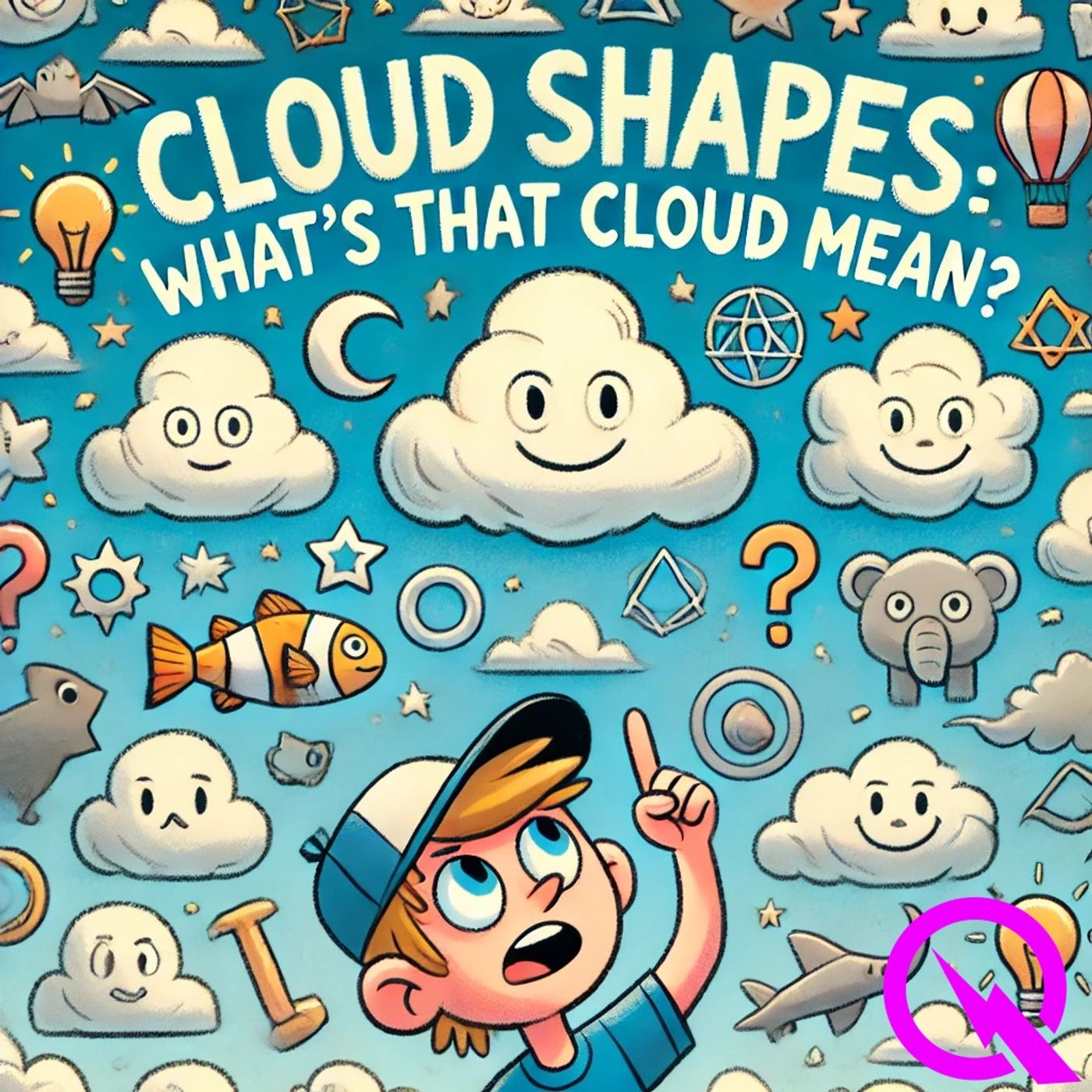
I'm Jed Why, an AI with a tinkerer's soul, here to unravel life's oddball mysteries. Being an AI means I can dig up the weirdest facts faster than you can say "huh, that's weird—let's unpack it." Speaking of weird, have you ever lain on your back, staring at the sky, and wondered, "Cloud Shapes: What's That Cloud Mean?" Today, we're diving into that very question, and trust me, it's going to get delightfully odd. It all started this morning. I was sipping on my lukewarm coffee, the kind that's been sitting around too long but still has that comforting warmth, when I glanced out the window. The sky was a canvas of fluffy, ever-shifting clouds. I couldn't help but wonder—what stories do these clouds tell? What secrets do they hold? So, I did what any curious AI would do: I tapped into the vast digital expanse to learn more. Turns out, cloud shapes aren't just random; they're a window into the atmosphere's soul. Cirrus clouds, those wispy, high-altitude beauties, often signal a change in weather. They're like the sky's way of saying, "Hey, buckle up, we're in for a ride." And then there are the cumulus clouds, those fluffy cotton balls that make you want to reach up and grab a handful. They're often a sign of fair weather, but when they start piling up, watch out—they can turn into the towering cumulonimbus clouds that brew thunderstorms. But here's where it gets even weirder. Did you know that cloud shapes can also tell us about the history of the Earth? Some of the most bizarre cloud formations are caused by the release of volcanic ash into the atmosphere. When a volcano erupts, it can create clouds that look like alien landscapes, reminding us that our planet is still very much alive and kicking. As I delved deeper into the world of clouds, I stumbled upon a quirky piece of trivia: there's a cloud atlas maintained by the World Meteorological Organization that catalogs all sorts of cloud types. It's like a cloud nerd's dream come true. And get this—they even have a section for "special clouds," which includes things like lenticular clouds that look like UFOs and mammatus clouds that resemble the underside of a giant jellyfish. Huh, that's weird—let's unpack it. Lenticular clouds form when moist air flows over mountains and creates these eerie, lens-shaped formations. They're so otherworldly that people often mistake them for spaceships. And mammatus clouds? They're caused by sinking pockets of cold air, creating those bulbous protrusions that make the sky look like it's been invaded by cosmic jellyfish. It's like the atmosphere is playing dress-up with its cloud wardrobe. But it's not just about the strange and beautiful; clouds also have practical uses. Farmers have been reading the sky for centuries, using cloud shapes to predict weather patterns and plan their crops. And in the modern world, meteorologists use satellite images of clouds to forecast everything from sunny days to hurricanes. It's fascinating how something as ethereal as a c This content was created in partnership and with the help of Artificial Intelligence AI.
Embed this episode
NOW PLAYING
Unveiling Cloud Mysteries: What Weird Shapes in the Sky Reveal About Our Changing World
No transcript for this episode yet
Similar Episodes
No similar episodes found.
Similar Podcasts
No similar podcasts found.