
EPISODE · Apr 5, 2025 · 10 MIN
Upside Down Rhino Rides by Helicopter 🚁🦏
from Meteorology Matters
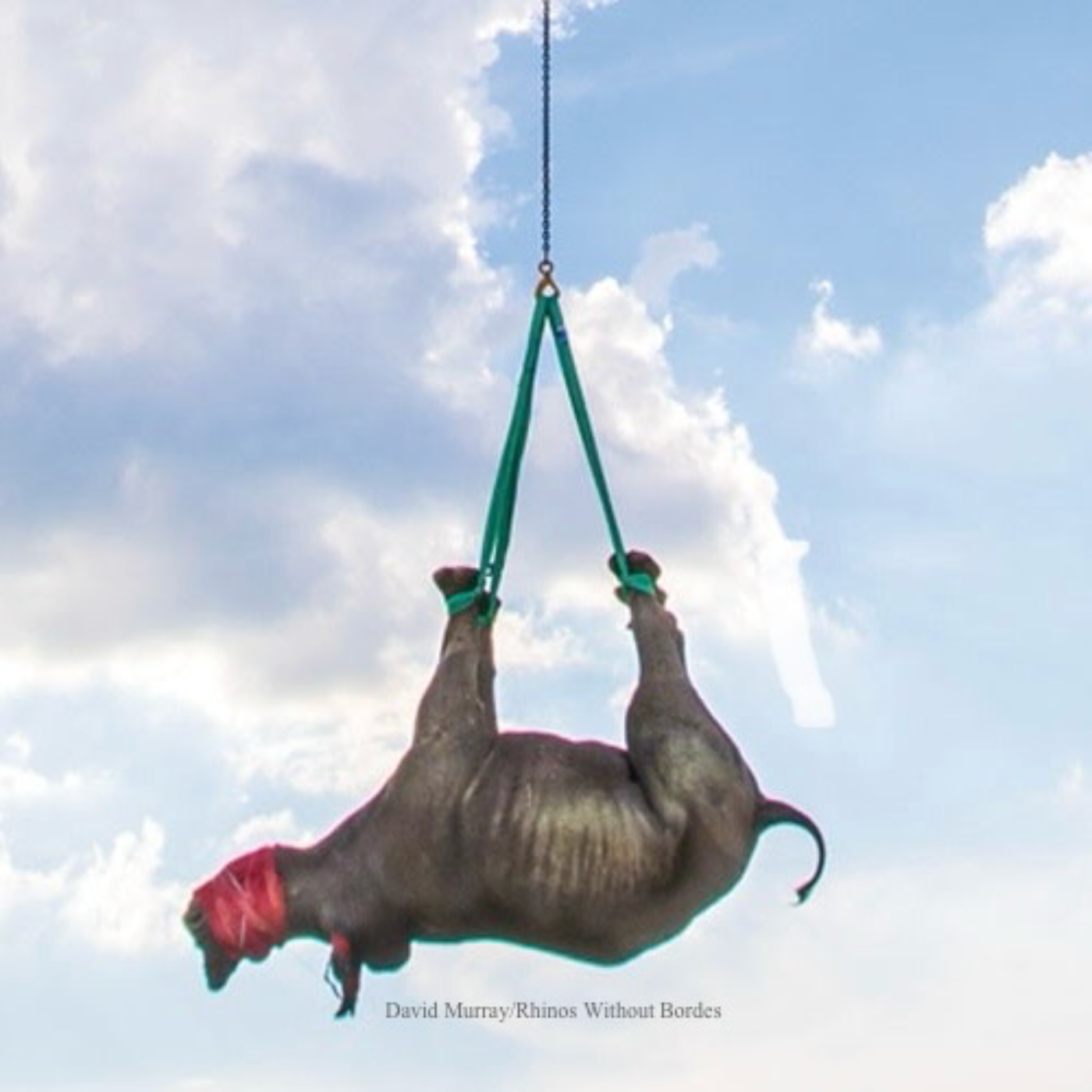
The Critical Need for Rhino Translocation: Black rhinos are critically endangered, and translocation is a vital conservation tool to protect them from poaching, facilitate monitoring, and ensure genetic diversity. The species largely exists in isolated protected areas, making movement necessary for population health.The Revolutionizing Role of Helicopters in Rhino Conservation: Helicopters have become increasingly important for rhino translocation since the 1990s, with methods refining in the 2010s. They offer a faster and less stressful alternative to traditional ground transport.The Innovative "Upside Down" Airlifting Technique: Hanging rhinos upside down by their feet from helicopters has proven to be the safest and most aerodynamic method for transport, despite initially seeming counterintuitive.The Adaptation of Military Technology for Conservation: War-torn helicopters, particularly UH1-H Hueys from the Vietnam War, are now being used for rhino conservation, highlighting an ironic twist of repurposing machines of war for saving wildlife.The Ongoing Efforts and Future of Rhino Conservation: Conservationists are continually studying and improving translocation methods and envision incorporating new technologies like drones and satellites. The success of translocation projects offers hope for the future of rhino populations.Key Ideas and Facts:Black Rhino Population Status and Threats: Black rhino populations declined drastically due to poaching and habitat loss, reaching a low point in the 1990s. While conservation efforts have led to an increase (roughly 6,500 today), they remain critically endangered.Reasons for Translocation: According to Ursina Rusch of WWF South Africa, rhinos are moved for three main reasons:Protection from poaching.Monitoring (including GPS telemetry insertion).Ensuring genetic diversity by increasing their range and preventing inbreeding.Rusch states, "If we don't translocate rhinos and create new populations, they will inbreed enough that they crash, or run out of resources and stop breeding."Advantages of Helicopter Transport:Speed: Aerial tracking and darting by helicopter significantly reduces the time taken to immobilize a rhino compared to on-foot tracking. "Whereas before veterinarians would have spent 20 minutes on-foot tracking a half-way-sedated rhino, the helicopter team now saves precious time by aerially tracking the rhino – and within four minutes, the rhino falls unconscious," says Rusch.Reduced Stress and Injury: Traditional ground transport in crates can cause muscle or horn damage and potentially occlude airways. "These road trips could be stressful for the rhino passengers; they're awake for the journey (albeit, sometimes, anaesthetised) and standing in a crate, which can cause muscle or horn damage – or even occlude their airways, which can be fatal."Access to Remote Areas: Helicopters can reach capture and release sites inaccessible by road, particularly important in regions like Namibia's Kunene. Robin Radcliffe of Cornell University notes, "Conservationists 'really only consider slinging' as a solution when the capture or release site is inaccessible by road, he says, or when slinging significantly cuts down on transport time."The "Upside Down" Method:Initially, conservationists tried transporting rhinos on boards and in nets, but these methods had drawbacks related to aerodynamics and breathing.
Embed this episode
NOW PLAYING
Upside Down Rhino Rides by Helicopter 🚁🦏
No transcript for this episode yet
Similar Episodes
No similar episodes found.
Similar Podcasts
No similar podcasts found.