
EPISODE · Oct 1, 2026 · 9 MIN
US-Iran War Breakdown
from The Predictive Matrix · host The Predictive Matrix
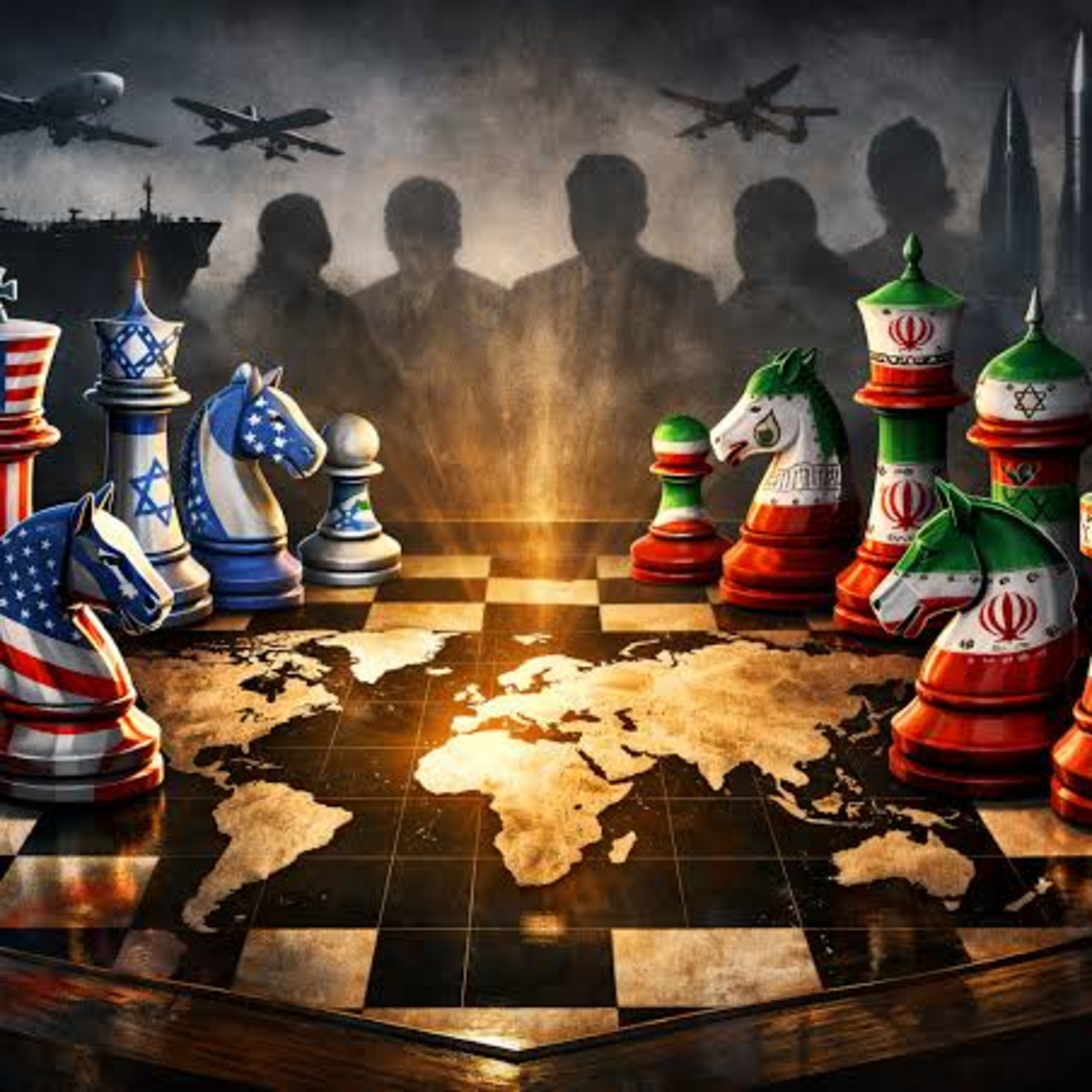
The 2026 U.S.-Israel-Iran War—which erupted on February 28, 2026, with massive joint airstrikes targeting Iran— has evolved into a grueling, multi-theater conflict that has profoundly altered the global economy. Code-named Operation Epic Fury by the U.S. and Israel, the war triggered a devastating sequence of regional escalations, severe energy blockades, and a global economic shock. 1. The Outbreak and BelligerentsThe conflict began with decapitation and counter-proliferation strikes. Following a severe domestic crackdown by Tehran on internal protests, the U.S. enacted a massive military buildup in the Middle East. On February 28, joint U.S. and Israeli airstrikes struck targets across Iran, destroying nuclear facilities and killing Supreme Leader Ali Khamenei. The Coalition: The United States, Israel, Saudi Arabia, the UAE, Kuwait, and Bahrain. The Axis: Iran, supported heavily by its "Axis of Resistance" networks, including Hezbollah in Lebanon, the Houthis in Yemen, and the Popular Mobilization Forces (PMF) in Iraq 2. Chronology of the Conflict (2026) February – March (The Initial War): Intense missile and drone exchanges devastated regional infrastructure. Israel initiated a ground invasion of Lebanon to fight Hezbollah, while Iran launched Operation True Promise IV. Tehran quickly imposed a total blockade on the Strait of Hormuz, paralyzing global energy shipping. April – June (The Failed Ceasefire): A short-lived ceasefire on April 8 paused major hostilities. This culminated in a June Memorandum of Understanding (MoU). However, the agreement fractured within weeks as sporadic fighting resumed.July – September (The Current Stalemate): The conflict deteriorated back into a low-intensity, ongoing war. In September, the U.S. expanded its naval blockade, while Iran and its proxies executed targeted strikes stretching from the Red Sea to the Persian Gulf. 3. Global Economic ConsequencesThe blockade of the Strait of Hormuz—the passage for 20% of the world’s petroleum and liquefied natural gas (LNG)—sent shockwaves through global markets. Energy Shock: Brent crude skyrocketed past $120 per barrel. Disrupted Qatari LNG infrastructure triggered an acute secondary energy crisis and recession risks across Europe. Stagflation: Surging fuel and logistics costs pushed U.S. inflation to 4.2%. Central banks globally were forced to halt interest rate cuts and raise borrowing costs. The Food and Supply Chain Crisis: The Gulf region’s halt in urea and ammonia exports drove global fertilizer prices up by over 30%, destabilizing food security in fragile emerging markets like Egypt and Pakistan. Macroeconomic Damage: Organizations like the WTO and IMF slashed global growth projections. Prolonged war scenarios estimate total global GDP losses at up to $3.5 trillion.
Embed this episode
Ready to play
US-Iran War Breakdown
No transcript for this episode yet
Similar Episodes
No similar episodes found.