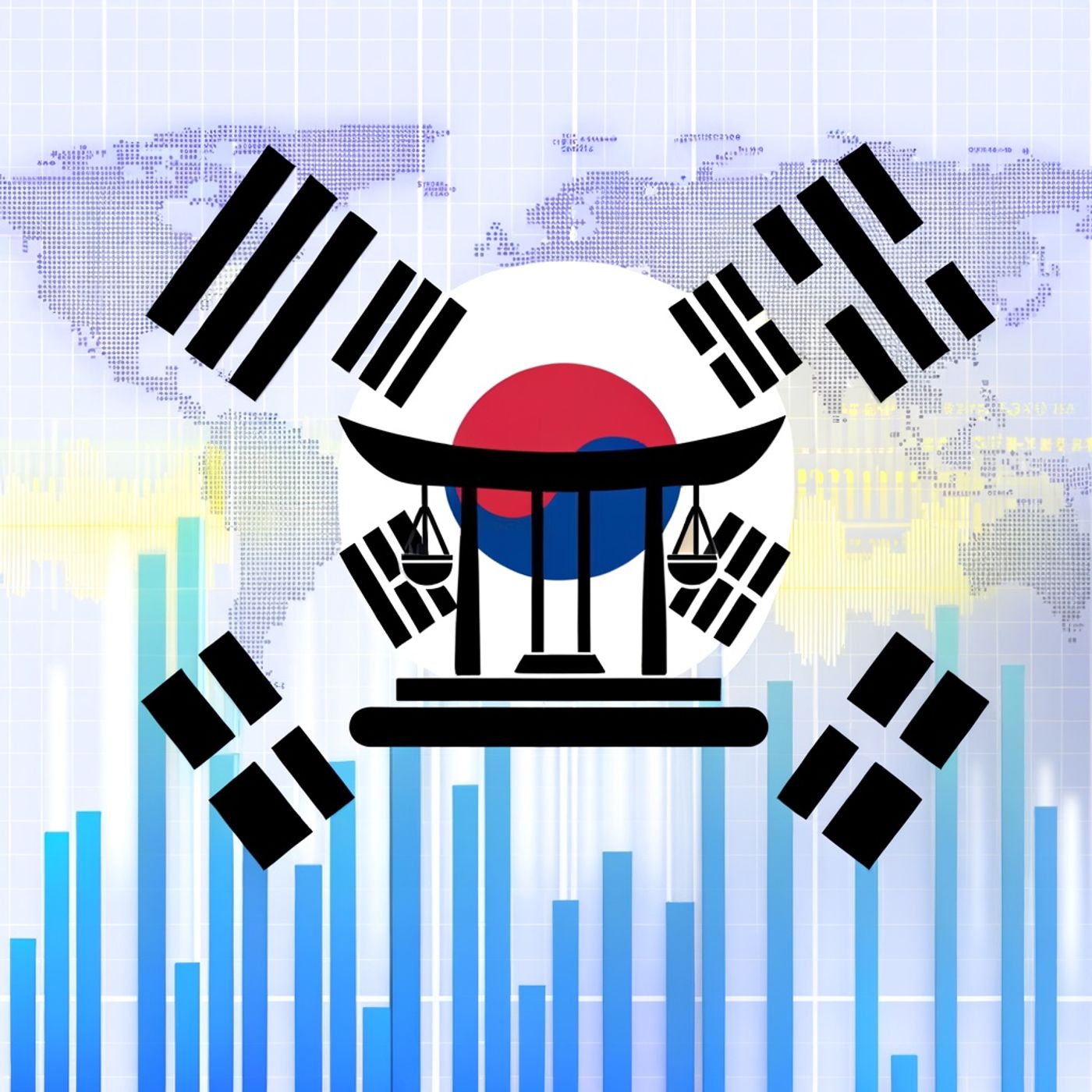
US-South Korea Trade Corridor Unlocks Preferential Tariffs and Boosts Manufacturing Exports in 2025 Economic Realignment episode artwork

EPISODE · Dec 8, 2025 · 3 MIN

US-South Korea Trade Corridor Unlocks Preferential Tariffs and Boosts Manufacturing Exports in 2025 Economic Realignment

from South Korea Tariff News and Tracker · host Inception Point AI

Listeners, welcome back to South Korea Tariff News and Tracker, where we break down how Washington and Seoul’s trade moves are hitting the real economy. The big headline for South Korea right now is that it sits inside what regional analysts are calling a “low‑tariff corridor” with Japan, carved out under President Donald Trump’s revamped reciprocal tariff framework for Asia. According to Seasia.co’s December analysis of the 2025 tariff realignment in Asia, the United States has built a global baseline tariff and then layered on country‑specific adjustments tied to trade balances, transparency, and market access. Within that structure, Japan and South Korea secured preferential, low‑tariff treatment designed to support high‑value manufacturing, advanced electronics, and integrated logistics between Northeast Asia and the United States. Seasia reports that this corridor has replaced earlier uncertainty with more predictable tariff schedules, especially for autos, chips, and industrial components, and is backed by large‑scale U.S. and allied investment into Korean supply chains. That preferential status is already showing up in specific sectors. TradingEconomics reports that the United States has recently reduced its tariff on imported autos to 15 percent, retroactive to November 1, a cut that Korean officials and market analysts say directly improves South Korea’s export outlook in the American market by lowering landed costs for Korean carmakers and parts suppliers. The same report notes that the South Korean won has strengthened on the news as investors price in better margins and steadier demand from U.S. buyers. These tariff arrangements are unfolding against the broader backdrop of Trump’s ongoing tariff campaign. FXEmpire’s 2025 review of the trade war finds that the average U.S. tariff rate has jumped from roughly 1.5 percent into the double digits, driving companies to diversify away from China and Hong Kong and, in many cases, toward Korea and its low‑tariff corridor with Japan. That shift is reinforcing South Korea’s position as a key alternative production base for U.S.-bound electronics, autos, and higher‑end manufacturing, even as overall U.S. tariff pressure on other parts of Asia rises. At the same time, Trump’s team is using sector‑specific moves to recalibrate supply chains. Florida Today reports that Commerce Secretary Howard Lutnick has unveiled an agreement to lower potential tariff rates on pharmaceuticals imported from trusted partners including South Korea, part of a strategy to move critical drug production out of China while rewarding countries that Washington views as reliable, transparent, and strategically aligned. For South Korea, the throughline in all of this is clear: stay in Washington’s good graces on transparency and market access, and the reward is continued access to a low‑tariff lane into the world’s largest consumer market, at a moment when many competitors are facing sharply higher U.S. duties. Thanks This content was created in partnership and with the help of Artificial Intelligence AI.

Listeners, welcome back to South Korea Tariff News and Tracker, where we break down how Washington and Seoul’s trade moves are hitting the real economy. The big headline for South Korea right now is that it sits inside what regional analysts are calling a “low‑tariff corridor” with Japan, carved out under President Donald Trump’s revamped reciprocal tariff framework for Asia. According to Seasia.co’s December analysis of the 2025 tariff realignment in Asia, the United States has built a global baseline tariff and then layered on country‑specific adjustments tied to trade balances, transparency, and market access. Within that structure, Japan and South Korea secured preferential, low‑tariff treatment designed to support high‑value manufacturing, advanced electronics, and integrated logistics between Northeast Asia and the United States. Seasia reports that this corridor has replaced earlier uncertainty with more predictable tariff schedules, especially for autos, chips, and industrial components, and is backed by large‑scale U.S. and allied investment into Korean supply chains. That preferential status is already showing up in specific sectors. TradingEconomics reports that the United States has recently reduced its tariff on imported autos to 15 percent, retroactive to November 1, a cut that Korean officials and market analysts say directly improves South Korea’s export outlook in the American market by lowering landed costs for Korean carmakers and parts suppliers. The same report notes that the South Korean won has strengthened on the news as investors price in better margins and steadier demand from U.S. buyers. These tariff arrangements are unfolding against the broader backdrop of Trump’s ongoing tariff campaign. FXEmpire’s 2025 review of the trade war finds that the average U.S. tariff rate has jumped from roughly 1.5 percent into the double digits, driving companies to diversify away from China and Hong Kong and, in many cases, toward Korea and its low‑tariff corridor with Japan. That shift is reinforcing South Korea’s position as a key alternative production base for U.S.-bound electronics, autos, and higher‑end manufacturing, even as overall U.S. tariff pressure on other parts of Asia rises. At the same time, Trump’s team is using sector‑specific moves to recalibrate supply chains. Florida Today reports that Commerce Secretary Howard Lutnick has unveiled an agreement to lower potential tariff rates on pharmaceuticals imported from trusted partners including South Korea, part of a strategy to move critical drug production out of China while rewarding countries that Washington views as reliable, transparent, and strategically aligned. For South Korea, the throughline in all of this is clear: stay in Washington’s good graces on transparency and market access, and the reward is continued access to a low‑tariff lane into the world’s largest consumer market, at a moment when many competitors are facing sharply higher U.S. duties. Thanks This content was created in partnership and with the help of Artificial Intelligence AI.

NOW PLAYING

US-South Korea Trade Corridor Unlocks Preferential Tariffs and Boosts Manufacturing Exports in 2025 Economic Realignment

0:00 3:24

No transcript for this episode yet

We transcribe on demand. Request one and we'll notify you when it's ready — usually under 10 minutes.

MG Show MG Show The MG Show, hosted by Jeffrey Pedersen and Shannon Townsend, is a leading alternative media platform dedicated to uncovering the truth behind today’s most pressing political issues. Launched in 2019, the show has grown exponentially, offering unfiltered insights, comprehensive research, and real-time analysis. With a commitment to independent journalism and factual integrity, the MG Show empowers its audience with knowledge and encourages active participation in the political discourse. Breaking News Show | eTurboNews Juergen Thomas Steinmetz News is relevant to the global travel and tourism industry, human rights and global issues.Breaking news when it happens and only from the source. Eat to Live Jenna Fuhrman, Dr. Fuhrman Our health is our most precious gift and smart nutrition can change your life. Each month, join Dr. Fuhrman and his daughter, Jenna Fuhrman as they discuss important topics in the world of nutrition. Eat to Live will change the way you eat and think about food. French Your Way Jessica: Native French teacher founder of French Your Way Boost your French listening skills and test your comprehension with this one of a kind series of podcasts. Get the chance to listen to a real conversation between native speakers talking at normal speed AND customise your learning experience through carefully designed sets of questions (2 levels of difficulty) available for download at www.frenchvoicespodcast.com. All interviews also come with the transcript. French teacher Jessica interviews native speakers of French from around the world who share a bit of their life and passion. Where else would you meet in one same place a French yoga teacher based in Melbourne, a soap manufacturer from Provence, or a couple cycling around the world?

Frequently Asked Questions

How long is this episode of South Korea Tariff News and Tracker?

This episode is 3 minutes long.

When was this South Korea Tariff News and Tracker episode published?

This episode was published on December 8, 2025.

What is this episode about?

Listeners, welcome back to South Korea Tariff News and Tracker, where we break down how Washington and Seoul’s trade moves are hitting the real economy. The big headline for South Korea right now is that it sits inside what regional analysts are...

Is there a transcript available for this episode?

Yes, a full transcript is available for this episode. You can read the complete transcript on the episode page.

Can I download this South Korea Tariff News and Tracker episode?

Yes, you can download this episode by clicking the download button on the episode player, or subscribe to the podcast in your preferred podcast app for automatic downloads.
URL copied to clipboard!