
EPISODE · Dec 10, 2025 · 3 MIN
US-South Korea Trade Deal Slashes Tariffs and Boosts Investment in Historic Economic Partnership
from South Korea Tariff News and Tracker · host Inception Point AI
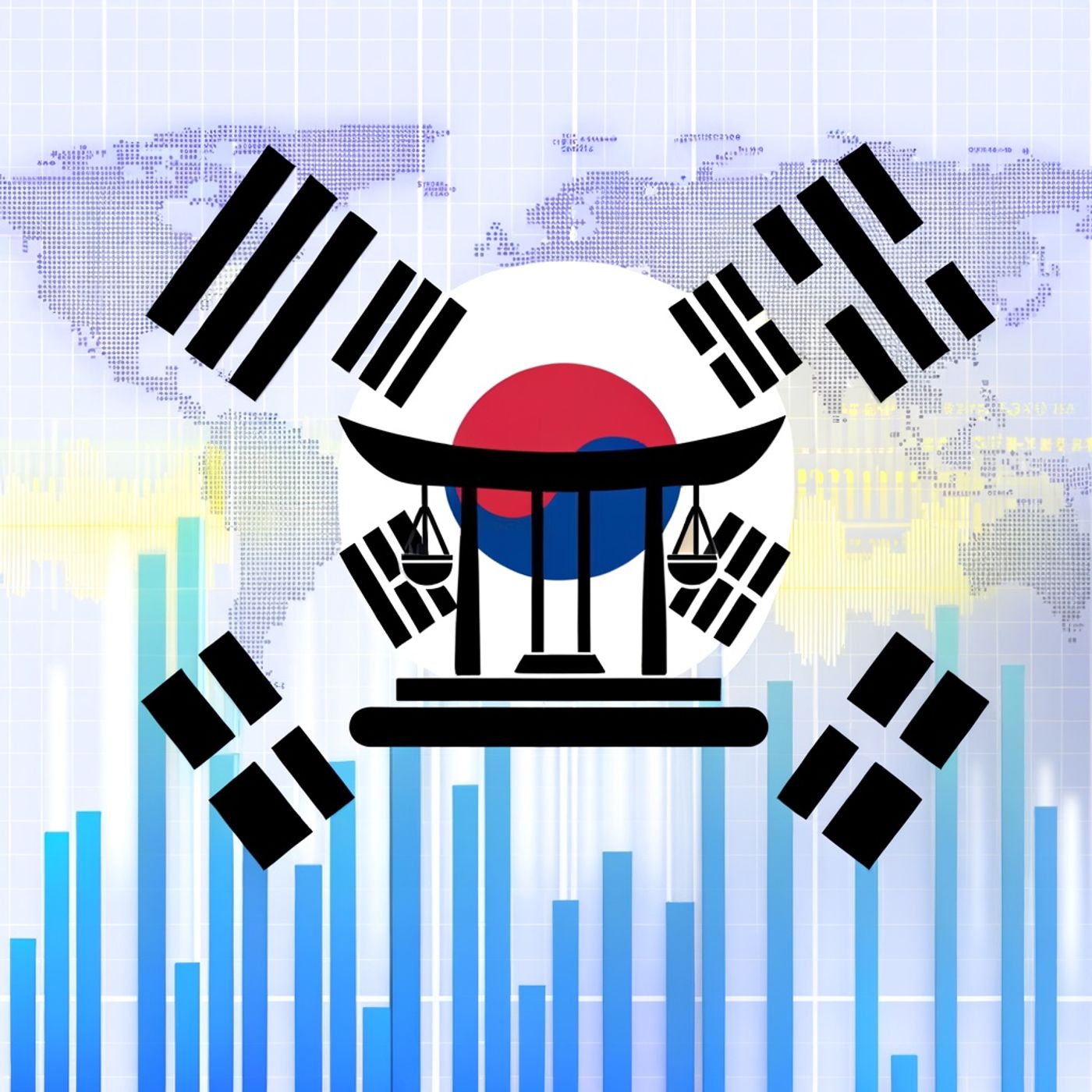
Listeners, welcome to South Korea Tariff News and Tracker. Today, we focus on the latest developments shaping U.S.-South Korea trade relations amid evolving tariff policies under former President Trump’s renewed trade agenda. In late 2025, the United States formally adjusted its tariff framework on South Korean goods, an initiative stemming from an executive order signed by Trump earlier this year. The key update reduces Section 232 tariffs on automobiles, auto parts, timber, lumber, and related wood products from South Korea to a uniform 15 percent rate. This change took effect retroactively from early-November 2025. Importantly, for those products already facing a Most Favored Nation or U.S.-Korea Free Trade Agreement tariff rate of 15 percent or higher, no additional Section 232 tariffs will apply. This move marks a significant tariff easing compared to previous rates that ranged higher for many such items. Simultaneously, reciprocal tariffs under the International Emergency Economic Powers Act, also known as IEEPA tariffs, were lifted for a broad list of Korean products including certain aircraft parts, aiming to smooth trade flows and investment prospects (reported by the RV Industry Association and multiple trade compliance sources). This tariff reduction is part of a stronger trade and investment deal reaffirmed between Washington and Seoul. In exchange, South Korea has committed to investing $350 billion into the U.S. economy, including bolstering U.S. shipbuilding capabilities. This commitment aligns with the historic December 2025 nuclear-powered submarine agreement between the two countries, expanding South Korea's rights in nuclear fuel handling and deepening defense cooperation, reshaping strategic and economic ties in the Indo-Pacific region. Economic forecasts reflect optimism tied to these developments. The Asian Development Bank raised South Korea's 2025 growth forecast to 0.9 percent, citing the tariff deal and strong domestic consumption as key factors aiding recovery. Other agencies like the OECD and Bank of Korea echo this cautiously positive outlook despite global uncertainties. Notably, Trump's tariff strategy includes a baseline 10 percent reciprocal tariff rate on imports from most countries, with South Korea's rate set around 15 percent following the revised agreements. While Trump has hinted at possible increases in baseline tariffs to 15-20 percent, the current framework for South Korea stabilizes bilateral trade relations by focusing on sector-specific tariffs rather than broad increases. Overall, these tariff adjustments signal a pragmatic approach balancing trade protection with deepening economic and security cooperation between the U.S. and South Korea. Thank you for tuning in to South Korea Tariff News and Tracker. Remember to subscribe for ongoing updates on this critical trade relationship. This has been a quiet please production, for more check out quiet please dot ai. For more check out https://www.qui This content was created in partnership and with the help of Artificial Intelligence AI.
Embed this episode
NOW PLAYING
US-South Korea Trade Deal Slashes Tariffs and Boosts Investment in Historic Economic Partnership
No transcript for this episode yet
Similar Episodes
No similar episodes found.
Similar Podcasts
No similar podcasts found.