
EPISODE · Apr 2, 2020 · 54 MIN
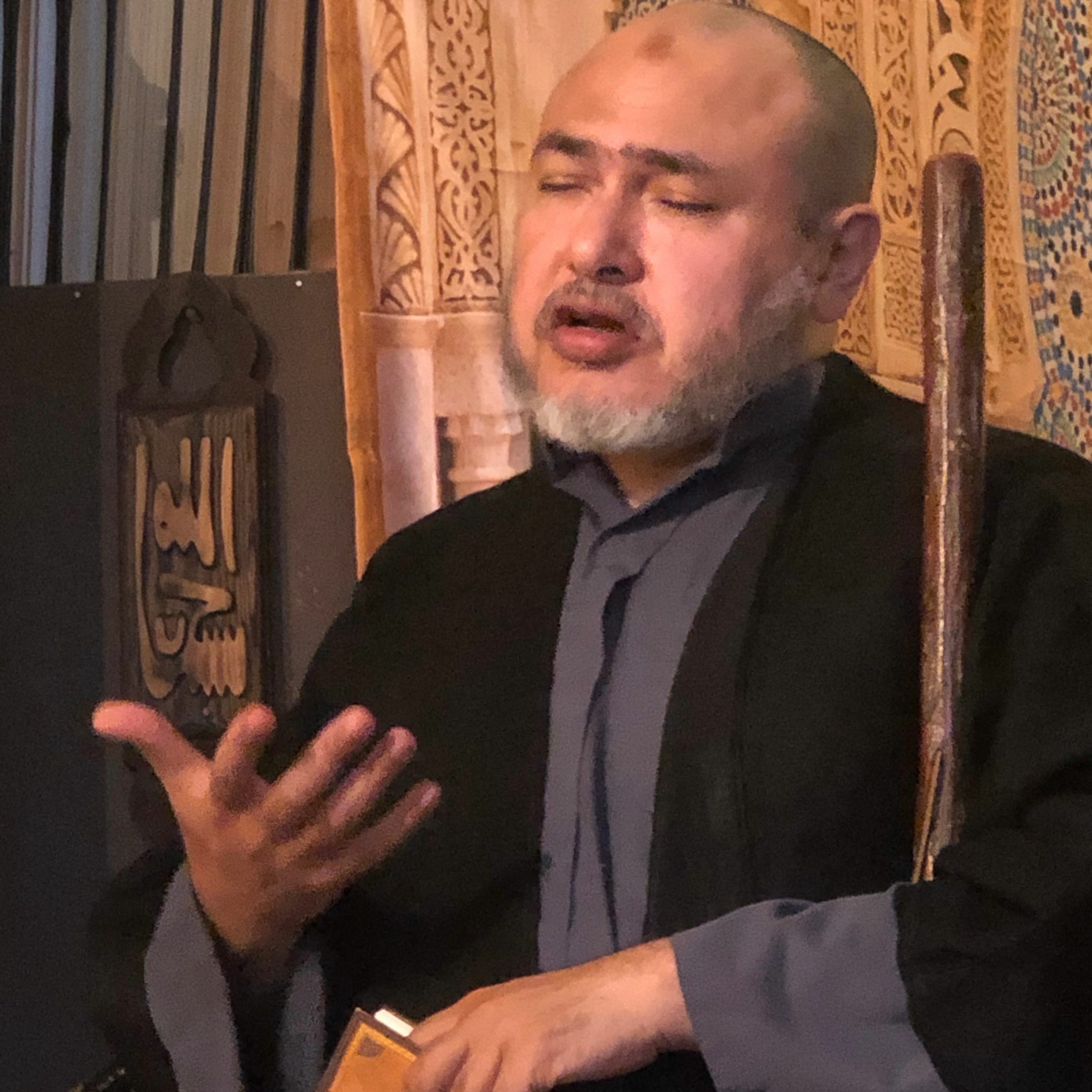
Usuli Khutbah: "The Higher Aspirations of Justice," 7 Feb 2020
from Search for Beauty · host The Usuli Institute
The Quran manifests the power of words. Words make a great deal of difference because of way that God created existence. God created humans as intelligent animals capable of reason and reasoning. Intelligent and rational animals respond to words. The Quran persistently reminds and calls humanity to reason, through the power of words. The more human beings stop responding to words, the more that words lose their place and role in the life of human beings and the more de-humanized the human factor becomes. God effects creation through words. The most miraculous thing about humans is their ability to decide their path, having comprehended the power of words. What makes us accountable before God is our willingness, refusal or obstinance to respond to words. Without words, there would be no accountability. The way that God reaches us and creates the entire mechanism of responsibility and accountability is through the medium of words, and words are revelation. If God speaks and puts us on notice through the power of words and humans no longer respond or the words no longer have impact, then the entire mechanism of discharging our covenant before God, and the very logic and reason behind the entire process of creation, responsibility and accountability fall apart. In Surah Al-Shura, God describes the state of a people who exist fully aware of their covenantal relationship with God and who are successfully discharging this covenantal relationship; rational animals who are in a state of grace with their Lord. It is as if God is saying that a fully engaged society conducts their affairs through a system of shura. Shura is the power of words; a fuller meaning for the word shura than “consultation” is “deliberation”. They share words – deliberate – with each other. If this deliberative process becomes formalistic, meaning people get together, listen to each other talk, and then thoroughly ignore each other, they are not discharging the obligation of shura. Critically, in the verse immediately following, God reminds that in a society that is in a state of grace with God, it is as if this active, deliberative process also leads to the circulation of wealth. Money is not hoarded and coveted, but circulates, such that there are not sharp inequities between the poor and rich. Wealth is distributed justly. Further, in the social, ethical order, there must be a way to address injustice. If a society violates rights and there is no way to address or conquer injustice, they will not exist in a state of grace with God. A society in which there is no deliberative process, where wealth is not distributed justly and there is no way to address injustice cannot be an Islamic, moral society. Surah Al-Shura also reveals that as a principle of justice, a wrong must be addressed proportionately and measuredly. In other words, the mechanisms of justice must result in the ability to address injustices with logical proportionality and consistency to count as true justice. God makes it plainly clear, whether you call it democracy or something else, that a state of grace with God can only be if your affairs are deliberative (deliberative justice); if there is distributive economic justice; if there are mechanisms to address injustice (procedural justice) and compel the powerful and empower the powerless (substantive justice) with proportionality. With God’s word so clear, how is injustice, political cowardliness, despotism, and nepotism so prevalent in Muslim countries? It is as if God is speaking and no one is listening. As long as we do not realize that Islam is, heart and soul, a rebellion against injustice, oppression, despotism and suffering, then we have betrayed Islam itself.
Embed this episode
NOW PLAYING
Usuli Khutbah: "The Higher Aspirations of Justice," 7 Feb 2020
No transcript for this episode yet
Similar Episodes
No similar episodes found.
Similar Podcasts
No similar podcasts found.