
EPISODE · Mar 26, 2020 · 49 MIN
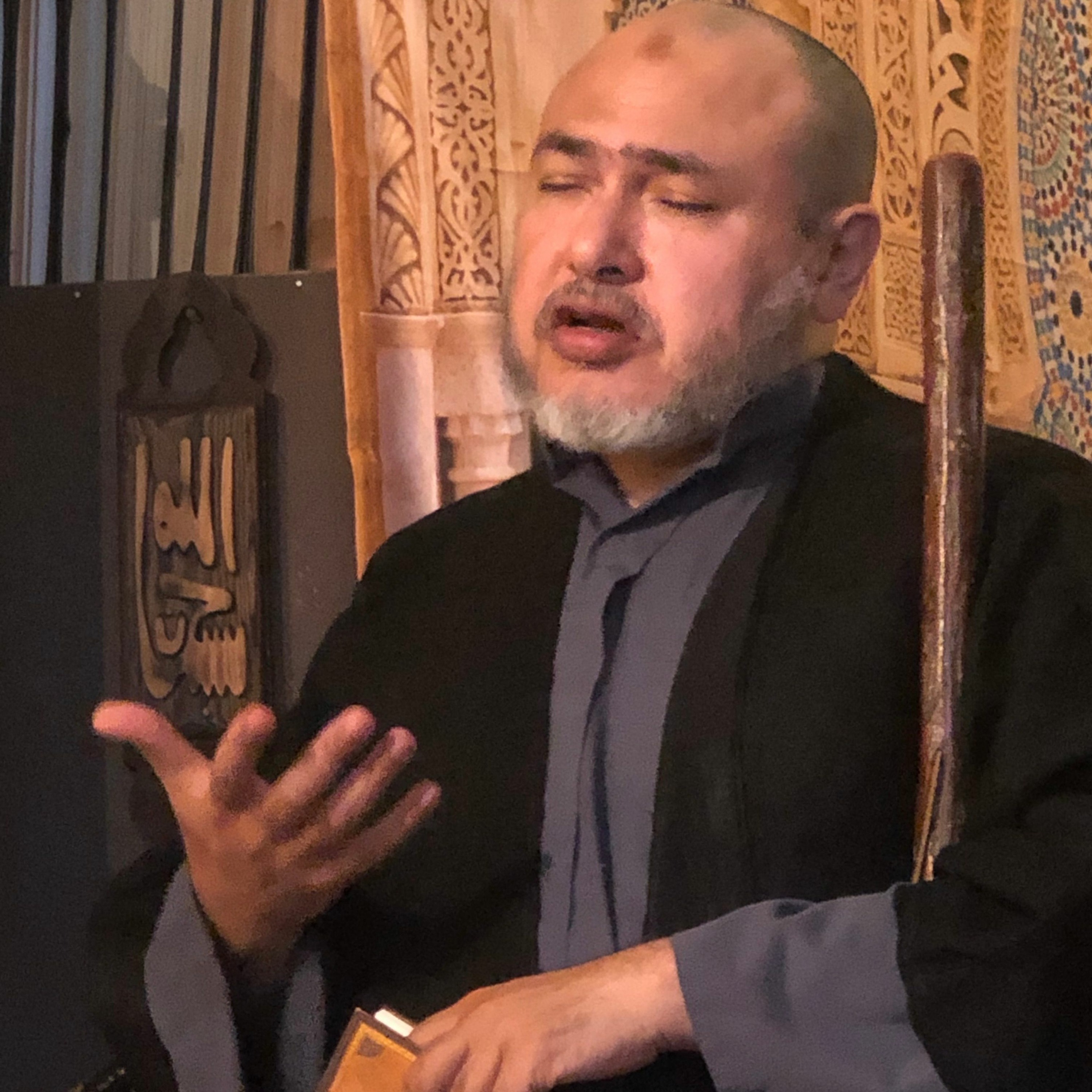
Usuli Khutbah: "Trials of a Prophet Loved and the Mirror of the Coronavirus," 13 March 2020
from Search for Beauty · host The Usuli Institute
Dr. Abou El Fadl begins with the reminder that if God truly allowed humans to suffer the consequences of their own actions, nothing would remain on earth. Divine grace intervenes in our lives constantly, saving us from our own follies and giving humanity infinite opportunities in the hope that we will do good. God has also blessed humanity with a beautiful, true moral example: The Prophet Muhammad. Yet, no prophet has been vilified throughout history as much as the Final Prophet. The Prophet was a man of great ethics, making him fit to bear the enormous task of carrying the Quran to humanity. His moral character was the Quran. He was sent as a mercy unto mankind and is dearly loved by God. God told the Prophet, "You are in Our eyes”, an Arabic expression that means, "I love you to the point that it is as if you are the core of my heart”. We should pray to be among those who would be included in that statement, to be like the Prophet in God’s eyes. The same man who was so dearly loved by God also experienced much tragedy, losing his beloved wife, his paternalistic uncle, and witnessing two of his sons die. This shows that it is not an indication of God's love if God spoils us on this earth. One could have terrible losses in life, but the way that these losses are handled is what will determine if one is close to God. What is remarkable about the Prophet is that this is a man who experienced one loss after another throughout his life, but always remained free of bitterness and hate. It is not that the Prophet did not experience heartbreak or grief, but what is key is how he dealt with hardship. It would have been very easy for him to think, "God does not love or care about me”, a thought many people feel after loss. The Prophet went through all of this to provide us with a moral education. We may go through a great deal of hardship, but we must strive to keep our hearts pure. What brings tranquility and comfort to one’s heart and keeps it truly pure is dhikr (remembrance of God). We must continue doing dhikr until God sends the strength to be a solid human being that does not turn tragedy into an excuse for evil. Dr. Abou El Fadl regularly receives emails from Muslims inquiring about negative reports about the Prophet Muhammad. Because Islam spread very quickly, there were many people who entered Islam for purely political or opportunistic reasons, who did not understand Islam or remained hostile to Islam. A great deal of hadith traditions were invented by people who pretended to be Muslim but were hostile to Islam. Over the centuries, such anti-Muhammad traditions were recognized by scholars and put into a cultural quarantine. Islamophobia, Wahhabism, Puritan Islam, extremist Islam, Daesh Islam and ISIS Islam took these hadiths out of quarantine and circulated them among Muslims again. But there is a big difference: in the past, Muslim institutions were strong and could keep such traditions in quarantine. Without the moral example of the Prophet, Muslims have very little. Today, our Muslim institutions are so weak, that we no longer control the discourse on Islam. We do not have the ability to quarantine things that should be quarantined. However, what we do have is our mind and conscience. When you find that God describes the Prophet as a man of great ethics; that God tells him, "You are a mercy unto humankind"; that God tells him “You are so beautiful that you are in God’s heart”, then that should be the yardstick as to what to believe – or what not to believe – about your Prophet. The coronavirus pandemic teaches us a great deal about ourselves and the morality and immorality of our modern condition. It is a book of philosophical wisdom for those who reflect on it. Whether it is through direct intervention or through the laws of nature, there will be hardship. But the response to this hardship is what truly matters. www.usuli.org
Embed this episode
NOW PLAYING
Usuli Khutbah: "Trials of a Prophet Loved and the Mirror of the Coronavirus," 13 March 2020
No transcript for this episode yet
Similar Episodes
No similar episodes found.
Similar Podcasts
No similar podcasts found.