
EPISODE · Mar 27, 2020 · 51 MIN
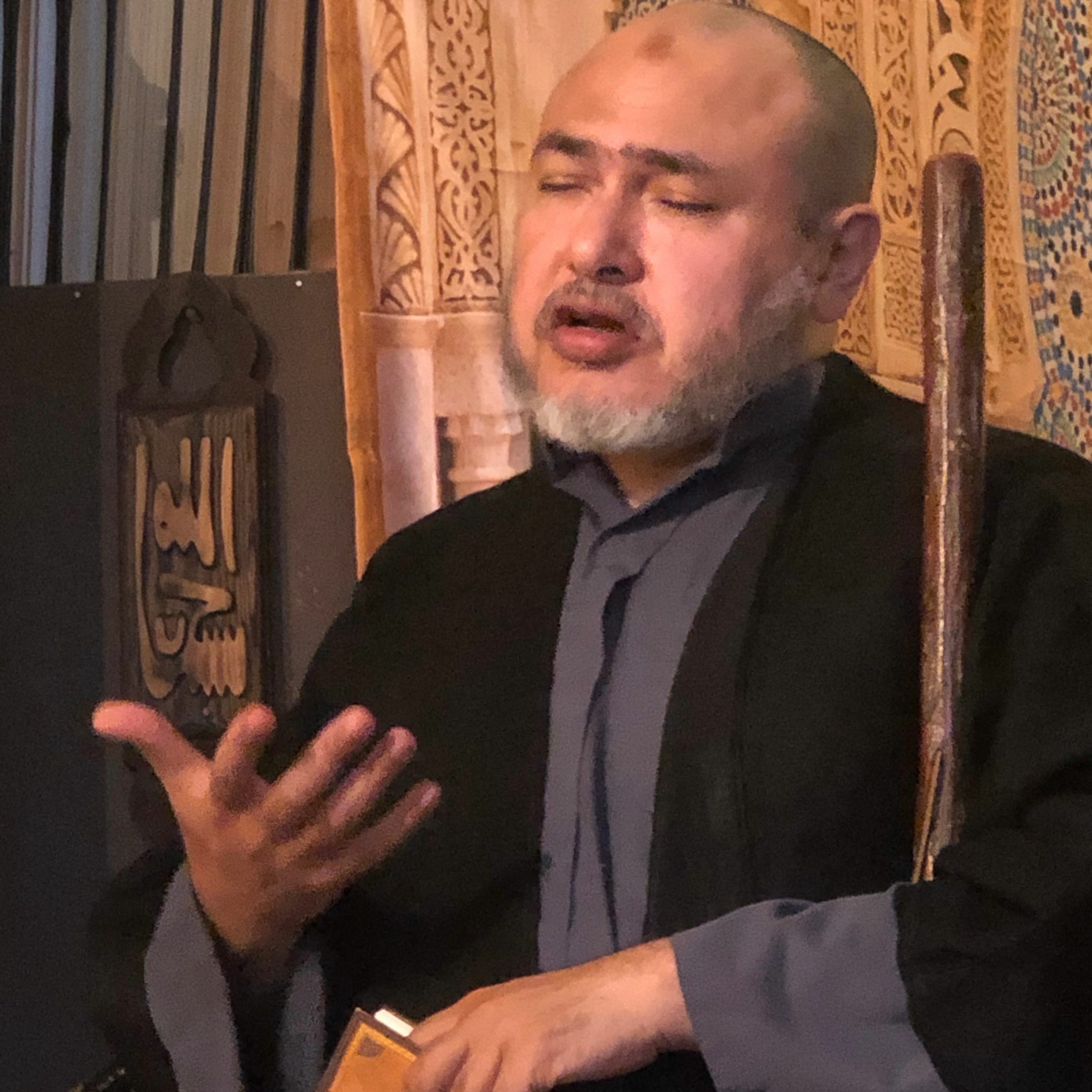
Usuli Khutbah: "What Do You Hear When The World Goes Silent?" 6 March 2020
from Search for Beauty · host The Usuli Institute
Dr. Abou El Fadl begins with the reminder that because humans are often oblivious and forgetful, we take much for granted. The Prophet Muhammad was a moral example of how we should live our lives, and those who fail to understand this guidance lose so much because they cannot truly be guided to the path of Islam. Last week, Dr. Abou El Fadl shared the news that he had become functionally deaf and reflected upon his thoughts as he coped with this life change. Like most humans, he did not reflect upon the blessing of hearing until he lost it. The nature of human beings is to take blessings like our senses, safety and stability for granted until these blessings are threatened. Loss educates and humbles. Upon loss, some become angry and ask the question that will never be answered, “Why me?”. This is a selfish question, why does someone else deserve the loss? What truly matters is what one chooses to do with their loss. An interesting thing happens when the world becomes eerily silent. There is a voice that cannot be shut off, that continues to speak in one’s head, a voice that must be listened to, and that is the voice of the self. There are no longer distractions, so one must confront this voice. When you confront the self, you start reflecting upon what you are made of. That is the blessing of what God gives and takes; it becomes an amazing educational opportunity. In this case, it is an opportunity to listen to what is going to testify against you or for you in the Hereafter before it does. If the world going silent opened the door for the voice of God to come through more purely, then there is no loss or loneliness, only beauty. Do not wait until blessings are lost to appreciate, reflect and be grateful now. Think about every sense that God has given you and how you are using it. When it testifies in the Hereafter, will it elevate or degrade you? That is the power of religion. Those who think everything is by chance, when diagnosed with an affliction, will question, “Why me?” and often attempt to spread their misery. Religion teaches us that nothing is by happenstance and that there is an entity who sees us and holds us accountable. We cannot allow ourselves to devolve to barbaric behavior, we are elevated by the reality of the Divine. If a religion fails to elevate one into beauty and make loss an opportunity for elevation, not degradation, then it is not religion. Thank God for what God has given and taken. Repeat “Alhamdulillah” constantly because when you acknowledge your gratitude, you become cognizant of your own faults and aspire to be better, and that is what God wants for us. Reminding ourselves of the essence of what Islam is – a mercy unto humankind - is so critical, particularly now, as Islam has been demonized around the world and Muslims have become confused about the message of Islam. The threat of “Islamic jihadis,” “political Islam” and terrorism has become a common defense to justify the murder of Muslims in numerous territories. The problem is not just these governments, but that they are served by an army of imams that justify their murderous, Islamophobic behavior. Colonialism confronted an ideology of resistance within the Islamic civilization, and this ideology of resistance was often called jihad. Colonialism’s propaganda said, ‘resistance is wrong’, even if the resistance was for a just cause. Any despot is a corrupter of the earth because despotism is shirk (associating partners with God). When a despot says, "Listen to me and me alone," they negate divinity. Two types of Islam emerged from colonialism: a non-confrontational, pacifist Islam; and a resistant, justice-based Islam. The first logics that obeying the ruler is obeying God, making this Islam favorable among despots. God has given us a brain, so we do not fall victim to following these despots. Dr. Abou El Fadl concludes by praying Allah puts us in the Hereafter with those whom we love, whether it be the Prophet or the despots.
Embed this episode
NOW PLAYING
Usuli Khutbah: "What Do You Hear When The World Goes Silent?" 6 March 2020
No transcript for this episode yet
Similar Episodes
No similar episodes found.
Similar Podcasts
No similar podcasts found.