
EPISODE · Dec 27, 2024 · 22 MIN
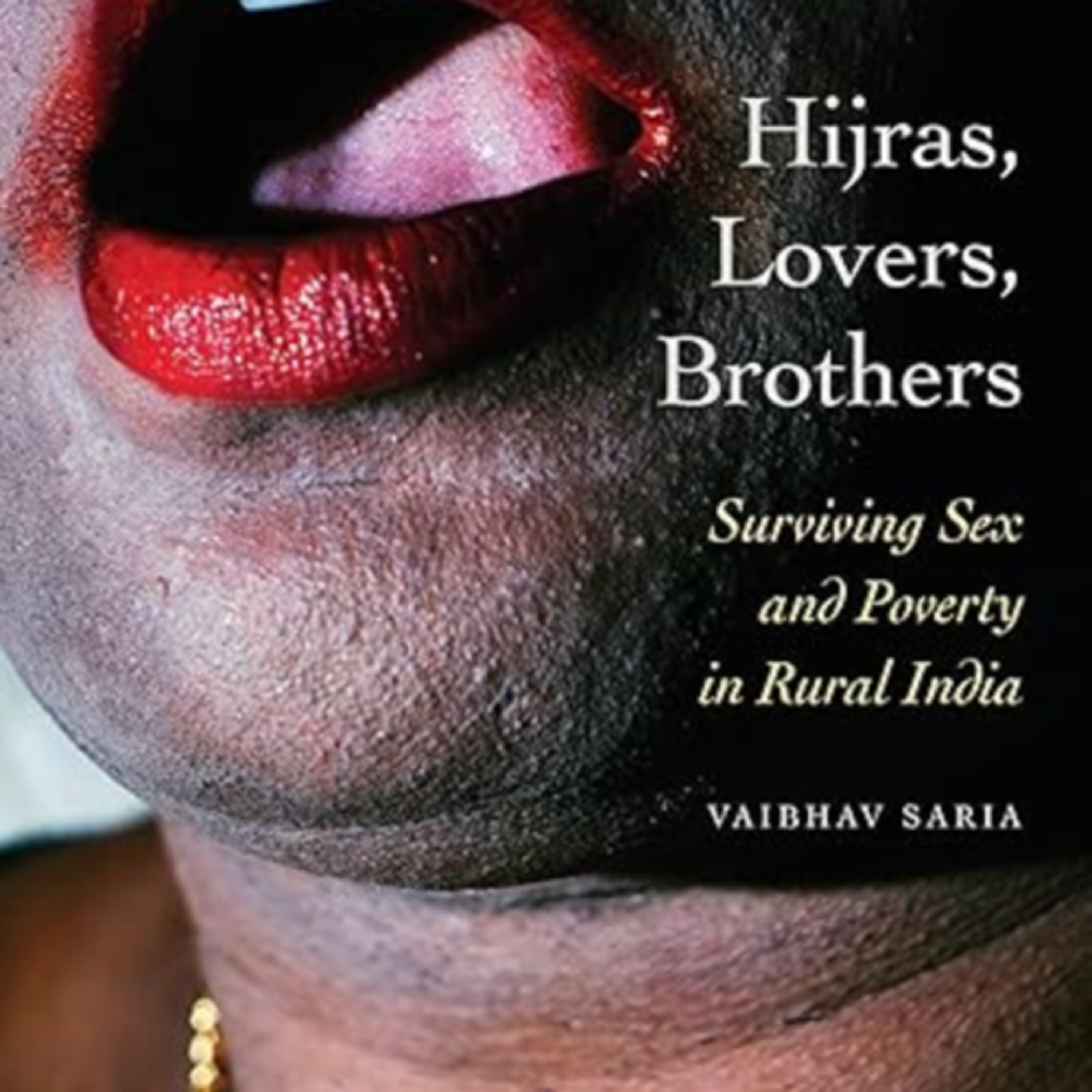
Vaibhav Saria, "Hijras, Lovers, Brothers: Surviving Sex and Poverty in Rural India," (Fordham University Press, 2021)
from The New East Asian Studies Podcasts in the Age of AI · host Barton Qian
Winner, 2023 Bernard S. Cohn Prize, Association for Asian StudiesWinner, 2021 Joseph W. Elder Prize in the Indian Social SciencesWinner, 2021 Ruth Benedict Prize, Association for Queer AnthropologyHonorable Mention, 2023 Anne Bolin & Gil Herdt Book Prize, Human Sexuality & Anthropology Interest GroupHijras, one of India’s third gendered or trans populations, have been an enduring presence in the South Asian imagination―in myth, in ritual, and in everyday life, often associated in stigmatized forms with begging and sex work. In more recent years hijras have seen a degree of political emergence as a moral presence in Indian electoral politics, and with heightened vulnerability within global health terms as a high-risk population caught within the AIDS epidemic.Hijras, Lovers, Brothers recounts two years living with a group of hijras in rural India. In this riveting ethnography, Vaibhav Saria reveals not just a group of stigmatized or marginalized others but a way of life composed of laughter, struggles, and desires that trouble how we read queerness, kinship, and the psyche.Against easy framings of hijras that render them marginalized, Saria shows how hijras makes the normative Indian family possible. The book also shows that particular practices of hijras, such as refusing to use condoms or comply with retroviral regimes, reflect not ignorance, irresponsibility, or illiteracy but rather a specific idiom of erotic asceticism arising in both Hindu and Islamic traditions. This idiom suffuses the densely intertwined registers of erotics, economics, and kinship that inform the everyday lives of hijras and offer a repertoire of self-fashioning beyond the secular horizons of public health or queer theory.Engrossingly written and full of keen insights, the book moves from the small pleasures of the everyday―laughter, flirting, teasing―to impossible longings, kinship, and economies of property and substance in order to give a fuller account of trans lives and of Indian society today. South Asian Studies Podcast Indian History Podcast Indian Anthropology Podcast Hijras in Indian society Hijras, Lovers, Brothers by Vaibhav Saria Third gender in South Asia Transgender studies in India Queer anthropology in India Hijras and Indian kinship Indian LGBTQ+ ethnography Transgender politics in India Hijras and the AIDS epidemic Erotic asceticism in Indian traditions Hindu and Islamic traditions of gender Queerness and kinship in India Marginalized communities in South Asia Joseph W. Elder Prize winner Ruth Benedict Prize winner Queer anthropology podcast Indian trans lives and kinship Hijras in rural India ethnography Human sexuality and anthropology Public health and LGBTQ+ in India Hijras and Indian electoral politics
Embed this episode
Ready to play
Vaibhav Saria, "Hijras, Lovers, Brothers: Surviving Sex and Poverty in Rural India," (Fordham University Press, 2021)
No transcript for this episode yet
Similar Episodes
No similar episodes found.
Similar Podcasts
No similar podcasts found.