
EPISODE · Feb 14, 2026 · 33 MIN
❤️ Valentine's Day 2026: Global Traditions, History, and Gifting Guide
from The World Between Us · host Norse Studio
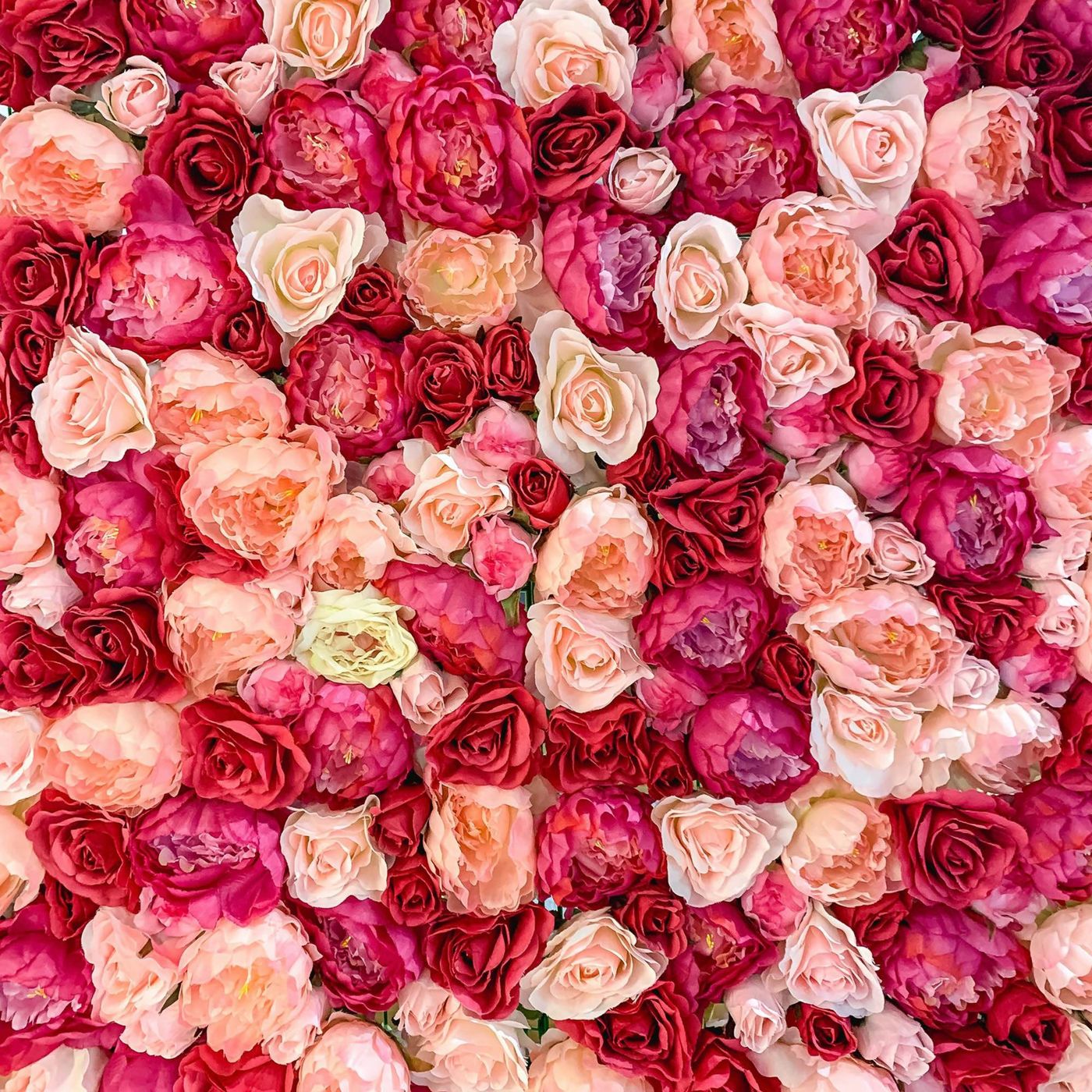
Valentine’s Day in 2026 has evolved into a sophisticated synthesis of ancient fertility rituals, medieval literary invention, and hyper-personalized technology. The holiday’s roots trace back to the Roman festival of Lupercalia, a mid-February rite of purification and fertility where men from the Luperci priesthood struck women with sacrificial hides to bestow fertility. In the 5th century, Pope Gelasius I Christianized the period by declaring February 14th as St. Valentine’s Day, honoring martyrs named Valentine, most notably a priest who performed secret marriages in defiance of Emperor Claudius II. The association with romance was later solidified in the 14th century by poets like Geoffrey Chaucer, who linked the date to the start of bird mating season.Global traditions showcase diverse cultural interpretations of love:• Japan and South Korea: Women take the lead on February 14th by gifting chocolate—distinguishing between "Giri-choco" (obligation) and "Honmei-choco" (true love). Men reciprocate a month later on "White Day". South Korea also observes "Black Day" on April 14th, where singles gather to eat black bean noodles (jajangmyeon).• Ghana: Celebrated as "National Chocolate Day" to promote the country’s cocoa industry, featuring chocolate-themed menus and museum events.• Wales: Lovers exchange hand-carved wooden love spoons, a tradition dating back to the 16th century, though primarily celebrated on St. Dwynwen’s Day (January 25th).• Argentina: Celebrates "Sweetness Week" in July, where candies and kisses are exchanged.By 2026, gifting trends focus on "emotional utility" and cutting-edge tech. Notable "quirky" gifts include AI-personalized graphic novels based on relationship milestones, emotion-sensing smart jewelry that shares real-time heartbeats through haptic vibrations, and custom blockchain "Love Tokens"—digital keepsakes that serve as immutable records of affection. Sustainability is also paramount, with the rise of bio-luminescent pet algae nightlights and lab-grown diamonds becoming the preferred ethical choice for fine jewelry.In the floral industry, the 2026 "Color of the Year" is Crimson Nocturne, a deep wine or plum hue that moves away from traditional bright reds toward more grounded, mature tones. Dining trends for 2026 involve using AI-powered monitors to "hack" last-minute restaurant reservations, though many couples prefer intimate celebrations at home. Popular activities include at-home spa days, paint-and-sip nights, and cooking "special-occasion" dishes such as Lobster Wellington, Steak Diane, or heart-shaped pizza.Whether through a physical 3D-printed hand-hold sculpture or an AR-embedded star map that plays digital memories, Valentine’s Day remains a vital cultural ritual for naming and preserving human bonds in an increasingly digital world.AI tools were used in the translation. Hosted on Acast. See acast.com/privacy for more information.Become a supporter of this podcast: https://www.spreaker.com/podcast/the-world-between-us--6886561/support.
Embed this episode
NOW PLAYING
❤️ Valentine's Day 2026: Global Traditions, History, and Gifting Guide
No transcript for this episode yet
Similar Episodes
No similar episodes found.
Similar Podcasts
No similar podcasts found.