
EPISODE · Apr 25, 2025 · 39 MIN
Venture Blues
from That Was The Week · host Keith Teare
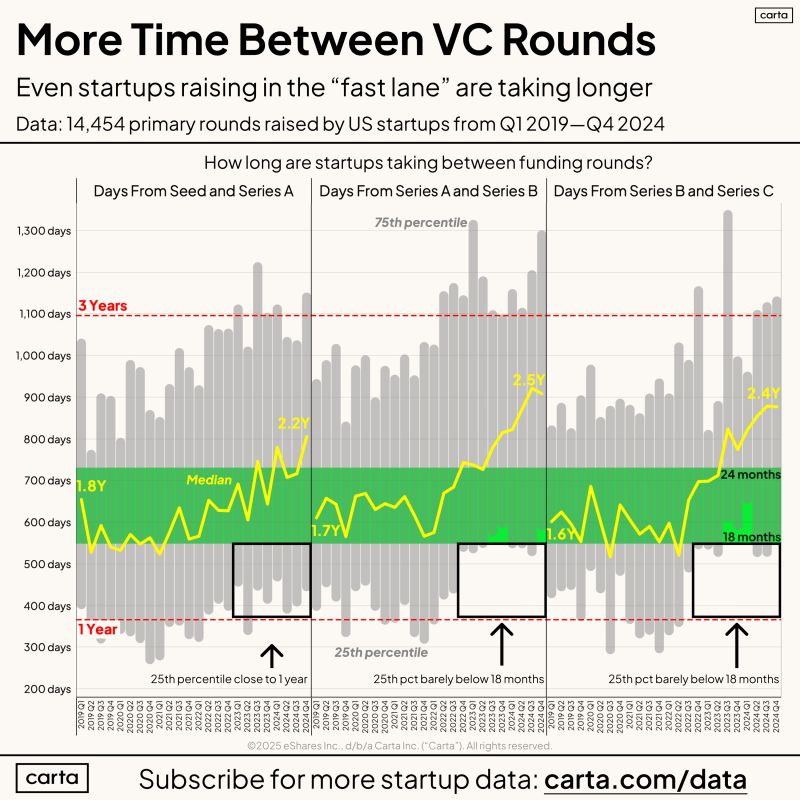
Show Notes: Venture Blues: Cloud, Silver Lining Overview This week’s “Venture Blues” editorial brings into focus a brewing transformation in early-stage venture capital. As funds endure stretched timelines and mounting LP pressure, long-taboo secondary markets are stepping into the limelight. At the same time, traditional VC structures—anchored to power-law home runs and decade-long illiquidity—are under fresh scrutiny. What makes this collection compelling is its blend of on-the-ground investor testimony (from Dan Gray, Hunter Walk, Rob Hodgkinson) and hard data (Carta charts, Series B MOIC trends) that together sketch a venture asset class at a crossroads: can it engineer better liquidity and more dependable returns without sacrificing outsized upside? Key Trend 1: The Liquidity Imperative and Rise of Secondaries As portfolio companies stall in late-stage rounds, early-stage VCs and LPs alike are waking up to the need for earlier liquidity—and rediscovering secondaries. Why it matters: – Stigma around selling GP stakes is eroding when 10-year fund cycles stretch toward 15 years. – Liquidity becomes critical to meet IRR targets and redeploy capital. Talking Point 1: From Taboo to Toolbox Quote: “The obvious desperation for liquidity has — for now — removed the stigma associated with secondaries.” — Dan Gray’s X post Early-stage managers, once loath to let shares go, now view secondaries as a legitimate value-preservation tactic. Removing psychological barriers makes secondaries a core liquidity channel, not just a last-resort option. Talking Point 2: Fund Cycles Stretch, LP Calculations Shift Quote: “For the earliest funds (pre-seed, seed) this means instead of 10 year fund cycles for LPs, you’re seeing closer to 15, which fundamentally changes LP calculations about the asset class.” — Hunter Walk, Homebrew Longer holding periods erode IRRs and cash-on-cash returns. LPs factor in delayed distributions, pressing GPs to surface secondary opportunities sooner. Key Trend 2: Structural Challenges in Traditional VC Models Despite aggregate Series B investments growing 476% over eight years, most value remains on paper—and out of reach. Why it matters: – Healthy MOIC doesn’t equate to real cash returns. – Most LPs lack access to top-performing funds and can’t live off latent value. Talking Point 1: MOIC vs. Cash—The Distribution Dilemma Quote: “And the 4.76x is measured in MOIC, not cash, so was not distributed.” — Venture Blues editorial Venture’s celebrated power law produces massive paper returns skewed toward a handful of winners. Without distributions, LPs can’t recycle gains, creating a false sense of asset-class health. Talking Point 2: Concentration of Compelling Managers Quote: “Most LPs do not get returns, and certainly not liquid returns (the only real kind).” — Venture Blues editorial A small club of star GPs capture most performance. Broader LP community remains exposed to illiquidity without average outcome participation. Key Trend 3: Rethinking the LP Base and Investor Alignment Economic uncertainty is forcing a recalibration of who backs VC—and how. Why it matters: – Traditional LPs (endowments, pensions) face funding pressures. – New entrants (sovereign wealth, retail, alternatives platforms) demand different structures. Talking Point 1: Endowment Exodus to Secondaries Quote: “A harbinger of change is Yale, who pioneered the ‘endowment model’… selling $6 bn in its PE portfolio in secondaries for the first time.” — Rob Hodgkinson Endowments under the gun from taxes, tariff impacts and political hostility. Liquid strategies gain priority, reshaping demand for evergreen and secondary vehicles. Talking Point 2: LP Preferences Shape Fund Products Quote: “VC is changing. Venture firms need to rethink not just who they raise from, but how their LP base influences what they’re offering.” — Rob Hodgkinson A move toward evergreen, co-invest, direct, and secondary funds rather than classic 10-year vehicles. Funds must tailor structures to new LP appetites for liquidity and risk profiles. Key Trend 4: Emerging Structures for De-Risked, Liquid VC Investments Algorithmic selection and private-company indexes promise to lower risk, broaden access and embed liquidity. Why it matters: – De-couples returns from a small set of GPs and rare unicorns. – Creates tradable vehicles for average VC outcomes. Talking Point 1: Filtering the 7% That Matter Quote: “Investing in this 7% as an index gives investors the ability to participate in de-risked average outcomes.” — Venture Blues editorial Data and machine learning reject 93% of Series B rounds. The top 7% deliver 6.2x MOIC in five years, enabling an index tilted for performance. Talking Point 2: Liquidity by Design Quote: “There is no longer a dependency on which fund an LP can invest in… And liquidity is built into the index approach.” — Venture Blues editorial Index shares can be bought and sold once listed on public markets. Retail investors and non-traditional allocators gain direct VC exposure. Discussion Questions How has the elongation of fund cycles from 10 to 15 years altered LPs’ appetite for early-stage VC? Can the rise of secondaries truly resolve liquidity challenges, or does it merely shift them to later rounds? With secondaries becoming “primary” for early-stage VCs, is there a risk of misaligned incentives between GPs and founders? How might new LP entrants (retail platforms, sovereign wealth funds) reshape venture fundraising and governance? Is algorithmic selection and index-based investing a silver bullet for de-risking VC, or does it introduce new systemic biases? Is the core issue in venture the lack of liquidity or the inherent power-law structure forcing “home runs”? What unintended consequences could emerge from tradable private-company indexes? Closing Segment Venture Blues reveals an asset class in flux: the thirst for liquidity is rewriting norms, LPs are demanding new structures, and data-driven models offer a glimpse at more equitable, de-risked returns. As we watch secondaries soar and index products emerge, the central question remains: can VC evolve beyond its 70-year blueprint to deliver both outsized growth and true liquidity? Final thought: the silver lining in today’s venture clouds may be a fundamentally redesigned asset class that finally brings average, liquid outcomes within reach. Stay tuned as we track which of these trends will reshape the venture landscape for good. This is a public episode. If you'd like to discuss this with other subscribers or get access to bonus episodes, visit www.thatwastheweek.com/subscribe
Embed this episode
Ready to play
Venture Blues
No transcript for this episode yet
Similar Episodes
No similar episodes found.
Similar Podcasts
No similar podcasts found.