Skip to content
Vigilance & Vulnerability episode artwork

Apr 25, 2025 1 hr 16 min

Vigilance & Vulnerability

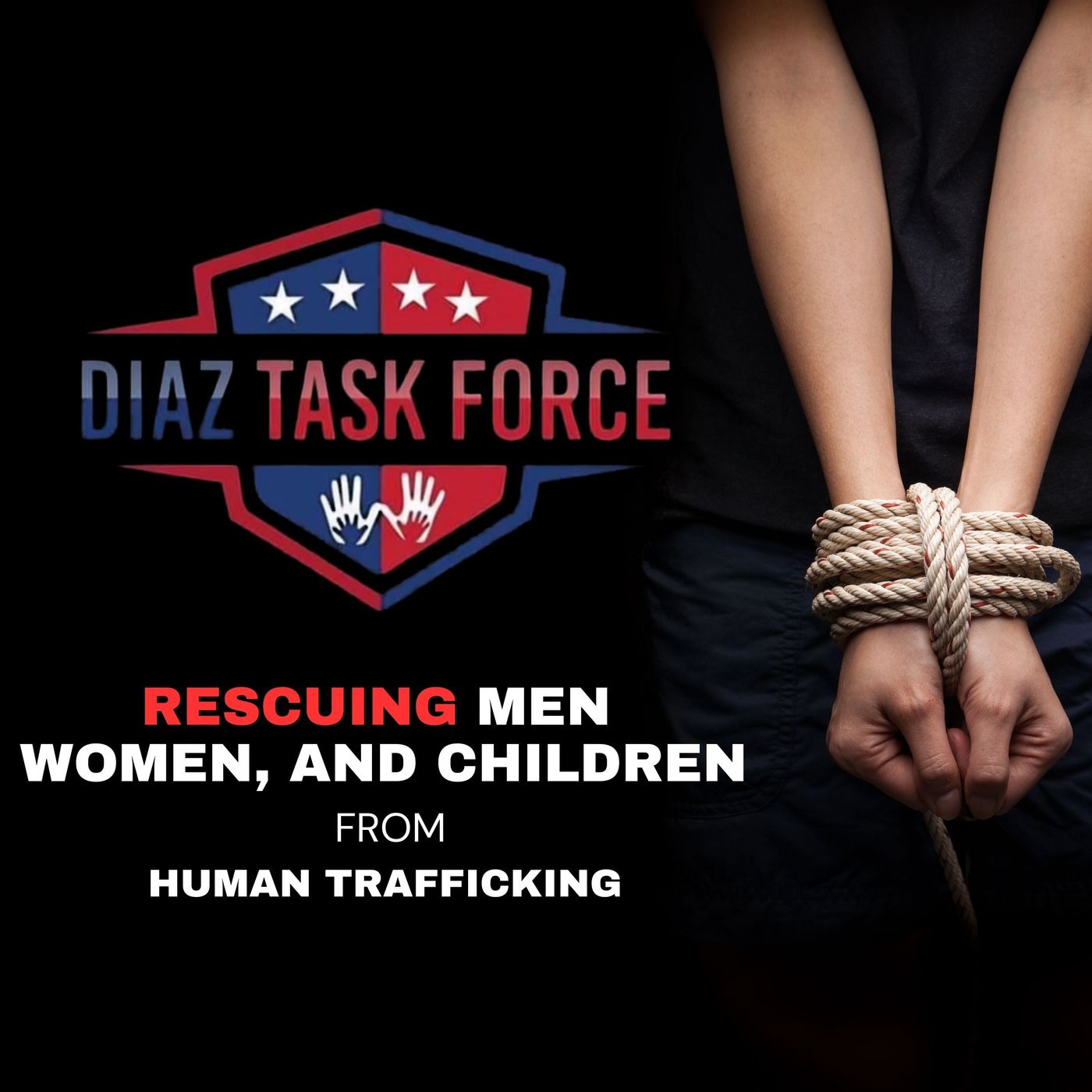
from Diaz Task Force Hosted by Dennis Diaz

In this powerful episode, we take a serious look at the emotional toll of living in fear, the rising concerns about a potential serial killer in New England, and how to stay safe in uncertain times. From personal wellness to real-world awareness—this conversation is essential.🧠 Topics Covered:Mental Health & AwarenessExploring how fear, trauma, and anxiety affect families and children—especially when communities are on edge. Tips for managing stress and staying grounded. New England Serial Killer FearsA recap of the recent discoveries across Connecticut, Massachusetts, and Rhode Island. What we know so far. Why authorities haven’t confirmed a connection. What it means for the public. Safety Tips That Could Save Lives10 crucial strategies to protect yourself and your loved ones—whether you’re walking home, meeting someone new, or just going about your day.🚨 Key Takeaways: Stay aware. Stay vocal. Stay connected. Trust your instincts. Share safety strategies with your family and friends—especially children and teens. Take care of your mental health while remaining vigilant. 📞 Resources Mentioned: Connecticut Cold Case Unit Tip Line: 1-866-623-8058 | [email protected] Tips: fbi.gov/tips2-1-1 CT Confidential Support: Dial 2-1-1 | 211ct.org Become a supporter of this podcast: https://www.spreaker.com/podcast/diaz-task-force--6571646/support.

Episode details come from the podcast's RSS feed.

Embed this episode

Ready to play

Vigilance & Vulnerability

0:00 1:16:23

No transcript yet.

Requests help us decide what to transcribe next.

Ringvorlesung - Practical Data Engineering (WT 2019/20) - tele-TASK Prof. Dr. Tilmann Rabl The Lecture Series on Practical Data Engineering will feature presentations by distinguished speakers from industry and academia on the topic of data engineering. We will cover topics on the application of data engineering in industrial setups as well as system level advancements in data engineering research. Hussain Kamani Muslim Central Mufti Hussain Kamani was born to a Hindu revert-to-Islam and Muslim father in Elizabethtown, Kentucky. With the blessings and du’a (supplications) of his parents, Mufti Hussain Kamani underwent a journey of a lifetime in pursuit of sacred Islamic knowledge. He began his pursuit of the Islamic sciences at the young age of six to memorize the entire Quran at the acclaimed Darul Uloom Madania in Buffalo, New York. By the blessings of Allah, subhanahu wa ta’ala, he was able to complete this momentous task in 1999. Having the growing thirst to quench more knowledge, Mufti Kamani then traveled across the world to the United Kingdom to attain more advanced formal Islamic authorizations in the field of Islamic theology. He studied at Darul Uloom Bury, the renowned seminary of the great revivalist and scholar of Hadith, Shaykh-ul-Hadith Zakariyya Kandhlawi (Rahmatullahi Alayh). Mufti Kamani completed the traditional six-year curriculum covering the Arabic language, Arabic morphology, Islamic ju La petite voix – Des histoires de vie qui pourraient changer la vôtre. Herveline Denis – A l’écoute de celles et ceux qui osent écouter leur intuition et changer de vie La petite voix : des témoignages et récits intimes qui transforment ✨ Chaque mardi, La petite voix explore ces moments où la vie bascule. Des femmes et des hommes partagent comment ils ont osé écouter leur intuition. Reconversion audacieuse, séparation libératrice, ou maladie révélant une force insoupçonnée… ces histoires de résilience, de transformation et de quête de sens nous éclairent 🌟 et nous inspirent. Un podcast imaginé et animé par Herveline Denis, ni journaliste ni thérapeute… juste (très) curieuse ! Alors, prêt à écouter La petite voix pour entendre la vôtre ? 😊🎧 Hébergé par Audiomeans. Visitez audiomeans.fr/politique-de-confidentialite pour plus d'informations. Hardware-Conscious Data Processing (ST 2023) - tele-TASK Prof. Dr. Tilmann Rabl Hardware development continuously advances, with different technologies improving at different pace. While the amount of transistors in a CPU package are growing, the single core performance is stagnating due to physical limitations. These trends require changes in data processing to keep database management systems efficient. In this lecture, we will take a look at current computer architectures and accelerator technologies and how they can be used for efficient data processing. We will cover CPU and memory architecture; the storage hierarchy; modern memory technolgoies, such as NVM and NVMe; fast interconnects, such as Infiniband, RDMA, and NVLink; and accelerators, such as GPUs and FPGAs. The course has a significant practical part, where the students learn to implement data structures and algorithms tailored to hardware concious data processing.

Frequently asked questions

How long is this episode of Diaz Task Force?

This episode is 1 hour and 16 minutes long.

When was this Diaz Task Force episode published?

This episode was published on April 25, 2025.

Is there a transcript available for this episode?

Yes, a full transcript is available for this episode. You can read the complete transcript on the episode page.

Can I download this Diaz Task Force episode?

Yes. Use the download control on the episode player to save the publisher-provided media file.