
EPISODE · Apr 28, 2026 · 14 MIN
Was Göbekli Tepe built by people who survived the catastrophe?
from Alternative History
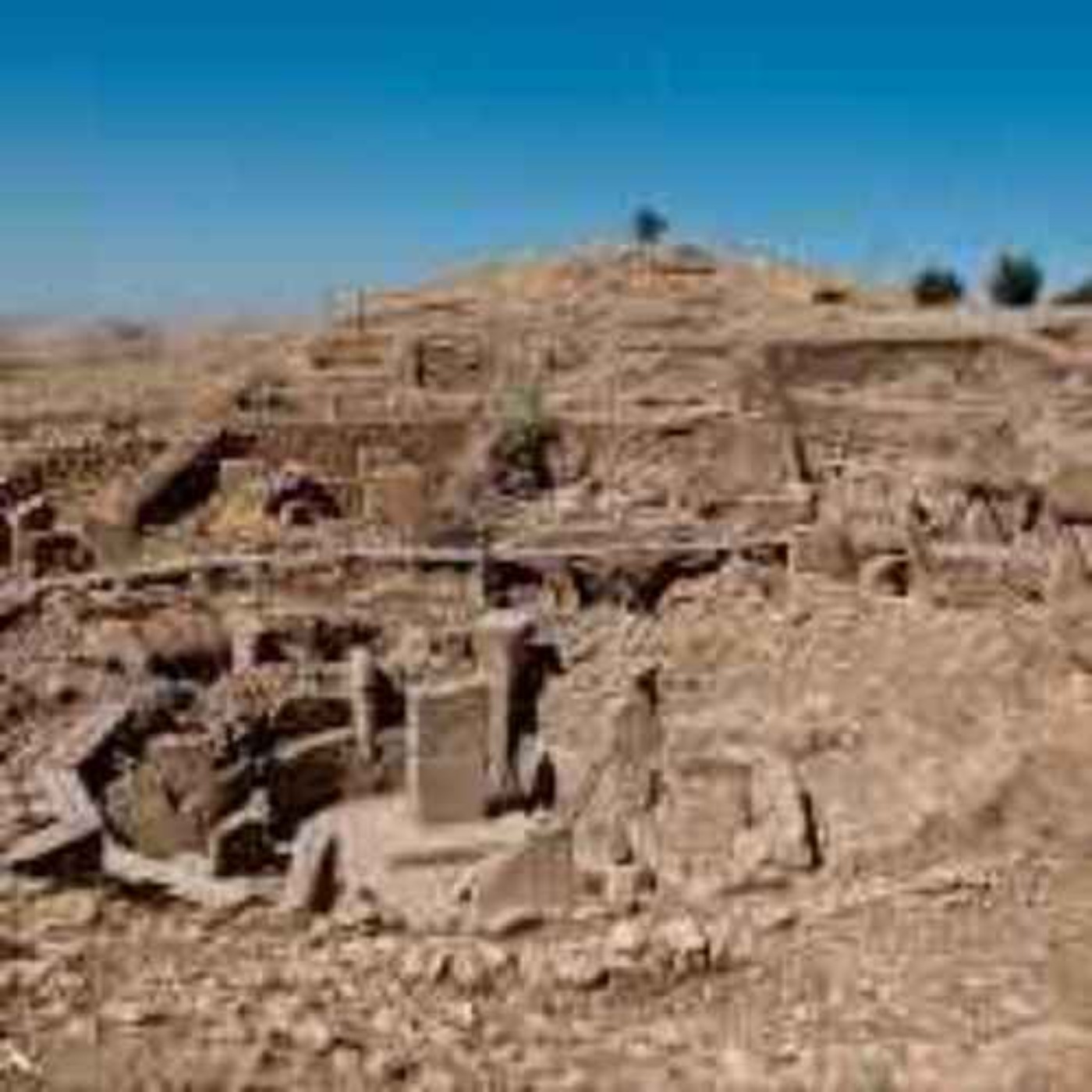
Göbekli Tepe is an archaeological site located in southeastern Turkey, near the city of Şanlıurfa. It is one of the most significant and fascinating archaeological discoveries in recent times. The site dates back to the Neolithic period and is estimated to be around 11,000 years old, making it one of the oldest known human-built structures.Central features of Göbekli Tepe include large stone pillars arranged in circular formations. These pillars, some of which are decorated with intricate carvings of animals and symbols, are organized in several concentric rings. The site consists of multiple areas, each containing these massive pillars.What makes Göbekli Tepe particularly significant is that it challenges previous assumptions about the development of complex societies. The conventional view was that agriculture and settlements led to the construction of monumental structures. However, Göbekli Tepe suggests that complex rituals and communal activities existed before agriculture was established.The people who built Göbekli Tepe were hunter-gatherers, and the construction of such a sophisticated site raises questions about the social structures, belief systems, and capabilities of ancient hunter-gatherer societies. The purpose of the site is still not fully understood, but it is believed to have had an important religious or ceremonial function. Hosted on Acast. See acast.com/privacy for more information.
Embed this episode
NOW PLAYING
Was Göbekli Tepe built by people who survived the catastrophe?
No transcript for this episode yet
Similar Episodes
No similar episodes found.
Similar Podcasts
No similar podcasts found.