
EPISODE · Mar 3, 2026 · 1H 9M
Was I the Toxic Friend? | Adult Friendship & Accountability
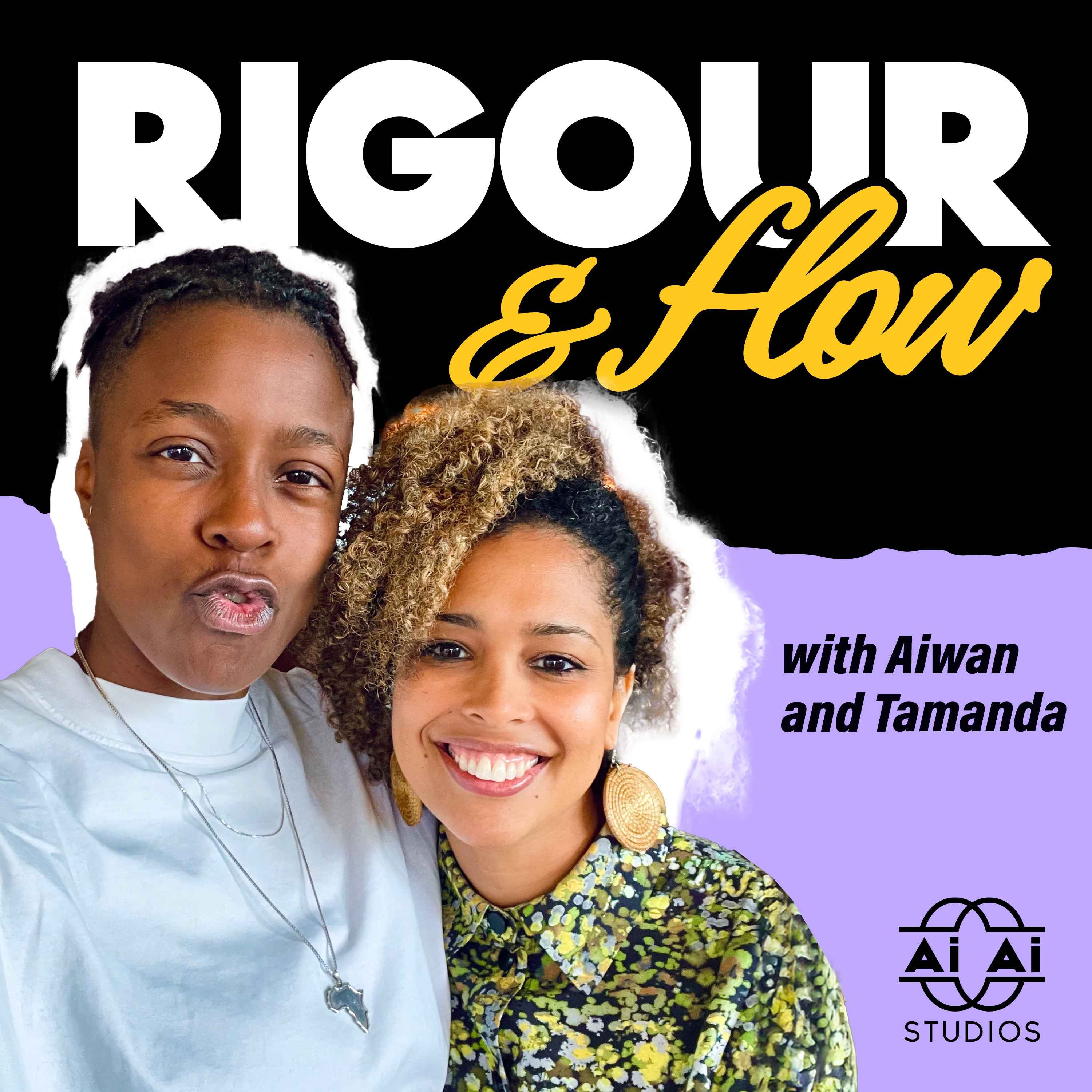
from Rigour & Flow with Aiwan and Tamanda
Last week, we told the story of friendship rupture. But what happens when the mirror turns around?In Part 2 of our adult friendship series, we step into uncomfortable territory: the moments where we may have been the difficult one. The one who ghosted. The one who didn’t communicate. The one who hurt someone we loved. This episode moves beyond betrayal and jealousy to something quieter and harder - accountability.We begin with conditioning. Aiwan reflects on growing up in a high-control Pentecostal Nigerian church community, where friendship came with warnings: Do not be unequally yoked. Friends were for saving. Held lightly. Guarded. No birthday parties. No Christmas gifts. No sleepovers.We get into the charged territory of ghosting. Referencing therapist Nedra Glover Tawwab, we ask: Are people allowed to leave relationships without explanation? Is ghosting immaturity or sometimes necessary discernment? Tamanda confesses her core toxic trait: “When I’m done, I’m done.”We then revisit the “broken bone” analogy from last week’s episode. Once trust fractures, even if repaired, will it ever land the same way again? Finally, we answer the question many of us avoid: Was I the problem? As we know now, adult friendships are not low stakes. They are spaces of learning, ego confrontation, grief and growth. And we acknowledge that the deepest maturity is not just knowing when to leave but knowing when to look at yourself. 🎙️ In this episode:Inherited friendship scripts: How religious control, family trauma and “unequally yoked” theology shape adult relationshipsAdolescent betrayal under the lens: When low self-esteem, displacement and the hunger for validation override loyaltyToxic or traumatised: Distinguishing character flaw from unprocessed survival strategyGrace in the aftermath: The gift of friends who allow you to grow beyond your worst momentBoundaries or avoidance: When “I’m done” is clarity and when it is emotional evasionThe slow friendship fade: Ghosting, disengagement and the message of silenceFracture and load-bearing trust: Why repaired relationships rarely carry weight the same way againNarrative humility: Asking how the friend you lost would tell the story of youIntentionality as practice: Wanting to be a better friend in a life already stretched thin 🎧 Listen wherever you get your podcasts🎥 Watch the full episode on YouTube: https://youtu.be/Oi2ID23STvg 🔁 Share with someone navigating friendship tension, repair or release.☕ Want to support the show? Buy us a coffee: https://buymeacoffee.com/rigourandflow Please rate, review and subscribe for weekly episodes.Connect with us on:TikTokInstagramLinkedInAiAi StudiosRoots & RigourThis is an AiAi Studios Production©AiAi Studios 2025 Hosted on Acast. See acast.com/privacy for more information.
Embed this episode
Ready to play
Was I the Toxic Friend? | Adult Friendship & Accountability
No transcript for this episode yet
Similar Episodes
No similar episodes found.
Similar Podcasts
No similar podcasts found.