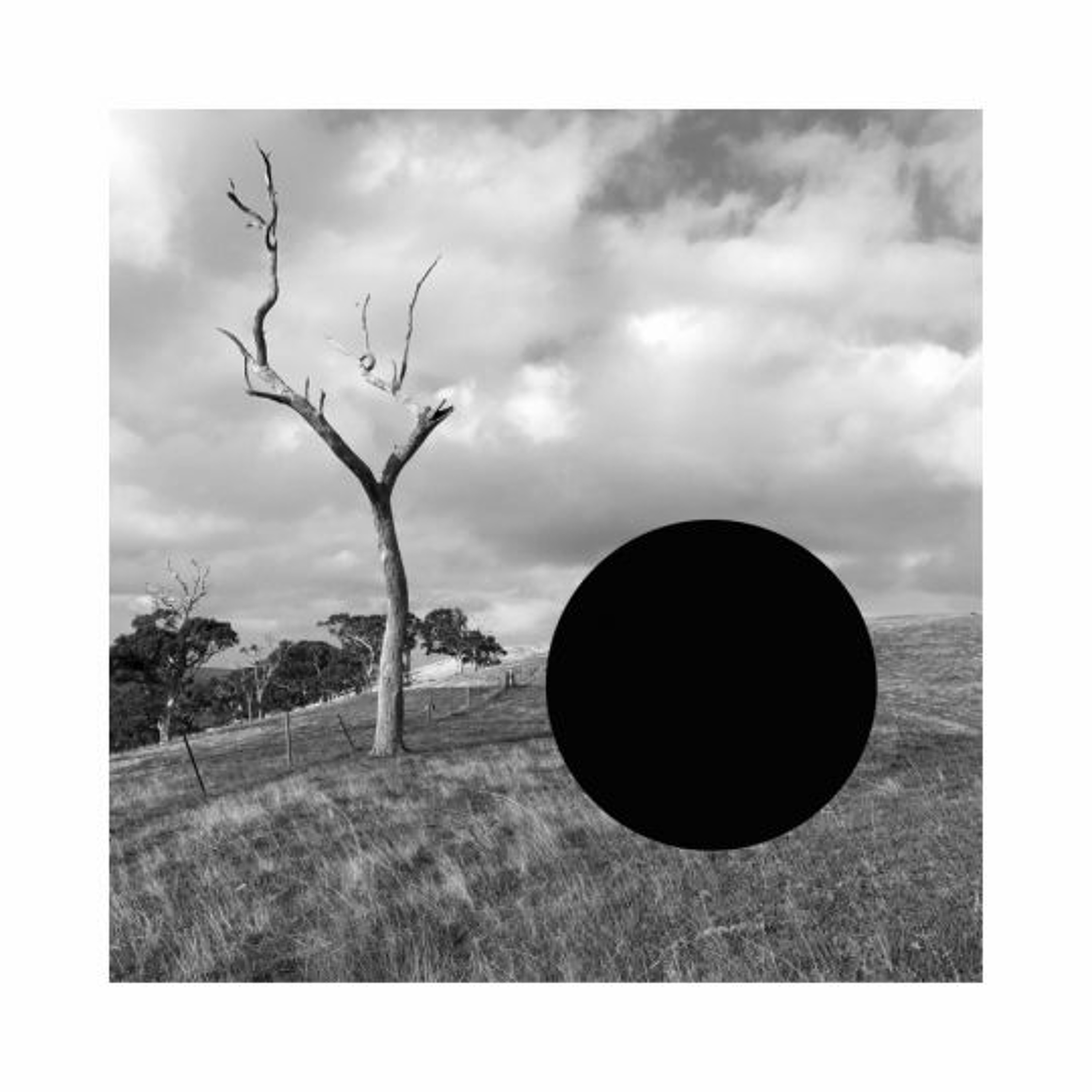
We Call This Place... Kaurna Yarta episode artwork

EPISODE · Jan 13, 2022 · 2 MIN

We Call This Place... Kaurna Yarta

from George Eastman Museum · host George Eastman Museum

We Call This Place... Kaurna Yarta is a series of daguerreotype photographs of places on the Kaurna nation. The Kaurna nation is an area predominantly on the Adelaide plains in South Australia, but it also stretches down into the south to Fleurieu Peninsula and the Mount Lofty Ranges, as well as Kangaroo Island. These places, when South Australia was colonized by the British in 1836, a lot of the indigenous place names were ignored, and the British renamed a lot of the places either after British people or British places. There’s a few German names as well from the German migrants. There wasn’t that many original Aborginal names recorded in the Kaurna region, because it really was the first place to be colonized by the British so they named a lot of the places after the first migrants. And so this series, I wanted to rename the places with Kaurna names. I used a combination of historical names that we know, but also the contemporary Kaurna language committee has been renaming places if they don’t know what the old name is, and giving dual names so there’s the British name and the Kaurna name. In this series I’m just laying the Kaurna name over, and taking control of our land and inserting our language back into the country and back into photographs. In these images, I’ve used a specific type of round hand from the 19th century with the Kaurna names laid over top. The round hand was used by the missionaries when teaching Kaurna people how to use Roman numerals with writing Kaurna language. We have a lot of letters written in Kaurna language taught by German missionaries in this type of round hand. In some way, I was trying to reinvigorate the time when those languages were spoken using this type of writing. The images are displayed on Kaurna design, these geometric shapes such as this wavy line which references riverways. These designs all mean something to us and they are all part of our identity, so I wanted to overlay them on top of our imagery. The tones in the images are gold, which refers to the gold that was around daguerreotype photographs in the 19th century, as well as the red which refers to our most precious resource, which was red ochre, which to us is like gold.

We Call This Place... Kaurna Yarta is a series of daguerreotype photographs of places on the Kaurna nation. The Kaurna nation is an area predominantly on the Adelaide plains in South Australia, but it also stretches down into the south to Fleurieu Peninsula and the Mount Lofty Ranges, as well as Kangaroo Island. These places, when South Australia was colonized by the British in 1836, a lot of the indigenous place names were ignored, and the British renamed a lot of the places either after British people or British places. There’s a few German names as well from the German migrants. There wasn’t that many original Aborginal names recorded in the Kaurna region, because it really was the first place to be colonized by the British so they named a lot of the places after the first migrants. And so this series, I wanted to rename the places with Kaurna names. I used a combination of historical names that we know, but also the contemporary Kaurna language committee has been renaming places if they don’t know what the old name is, and giving dual names so there’s the British name and the Kaurna name. In this series I’m just laying the Kaurna name over, and taking control of our land and inserting our language back into the country and back into photographs. In these images, I’ve used a specific type of round hand from the 19th century with the Kaurna names laid over top. The round hand was used by the missionaries when teaching Kaurna people how to use Roman numerals with writing Kaurna language. We have a lot of letters written in Kaurna language taught by German missionaries in this type of round hand. In some way, I was trying to reinvigorate the time when those languages were spoken using this type of writing. The images are displayed on Kaurna design, these geometric shapes such as this wavy line which references riverways. These designs all mean something to us and they are all part of our identity, so I wanted to overlay them on top of our imagery. The tones in the images are gold, which refers to the gold that was around daguerreotype photographs in the 19th century, as well as the red which refers to our most precious resource, which was red ochre, which to us is like gold.

NOW PLAYING

We Call This Place... Kaurna Yarta

0:00 2:48

No transcript for this episode yet

We transcribe on demand. Request one and we'll notify you when it's ready — usually under 10 minutes.

PMA: Sculpture Garden - Art Tours Philadelphia Museum of Art The Sculpture,Garden presents a superb and versatile outdoor setting for the appreciation of art, offering a lively experience of sculpture for both the casual passerby and devoted art lovers. Gracefully integrated into the existing landscape, the Sculpture,Garden extends the Museum’s vast galleries to the outdoors while strengthening the Museum’s connections to the city and Fairmount Park. Its pathways and vistas, green space, and water feature create a variety of spaces for art while maintaining an open setting that invites Philadelphia’s public to explore a new expression of the Museum’s goal to make more art available to an ever-growing audience. Song Against Songs, The by G. K. Chesterton (1874 - 1936) LibriVox LibriVox volunteers bring you 9 recordings of The Song Against Songs by G. K. Chesterton. This was the Fortnightly Poetry project for October 16, 2011.Chesterton was a large man, standing 6 feet 4 inches (1.93 m) and weighing around 21 stone (130 kg; 290 lb). His girth gave rise to a famous anecdote. During World War I a lady in London asked why he was not 'out at the Front'; he replied, 'If you go round to the side, you will see that I am.' On another occasion he remarked to his friend George Bernard Shaw: "To look at you, anyone would think a famine had struck England". Shaw retorted, "To look at you, anyone would think you have caused it". P. G. Wodehouse once described a very loud crash as "a sound like Chesterton falling onto a sheet of tin."( Summary from Wikipedia ) Talks Hirshhorn Museum and Sculpture Garden Browse through our selection of lectures and talks by Friday Gallery Talks, In Conversation, and Meet the Artist. listen to sounds kebing comedy:Troilus and Cressida By: William Shakespeare (1564-1616) The Two Gentlemen of Verona By: William Shakespeare (1564-1616)The Way of the World By: William Congreve (1670 -1729)Why Marry? By: Jesse Lynch Williams (1871-1929)Winsome Winnie and other New Nonsense Novels By: Stephen Leacock (1869-1944)A Woman of No Importance By: Oscar WildeMark Twain's (Burlesque) Autobiography and First Romance By: Mark TwainThere is a Tavern in the Town By: James StephensThe Return of Alfred By: Herbert George Jenkins (1876-1923)Major Barbara By: George Bernard Shaw (1856-1950)Jyl of Breyntfords Testament By: Robert Copland (fl. 1515)The Princess By: Alfred, Lord Tennyson (1809-1892)The Roaring Girl By: Thomas Middleton and Thomas DekkerUncle Josh's Punkin Centre Stories The Imaginary Invalid By: Moliere (1622-1673)Mr. H By: Charles LambMiser By: Molière (1622-1673)School For Scandal By:

Frequently Asked Questions

How long is this episode of George Eastman Museum?

This episode is 2 minutes long.

When was this George Eastman Museum episode published?

This episode was published on January 13, 2022.

What is this episode about?

We Call This Place... Kaurna Yarta is a series of daguerreotype photographs of places on the Kaurna nation. The Kaurna nation is an area predominantly on the Adelaide plains in South Australia, but it also stretches down into the south to Fleurieu...

Can I download this George Eastman Museum episode?

Yes, you can download this episode by clicking the download button on the episode player, or subscribe to the podcast in your preferred podcast app for automatic downloads.
URL copied to clipboard!