We Call This Place... Pintingga episode artwork

EPISODE · Jan 13, 2022 · 2 MIN

We Call This Place... Pintingga

from George Eastman Museum · host George Eastman Museum

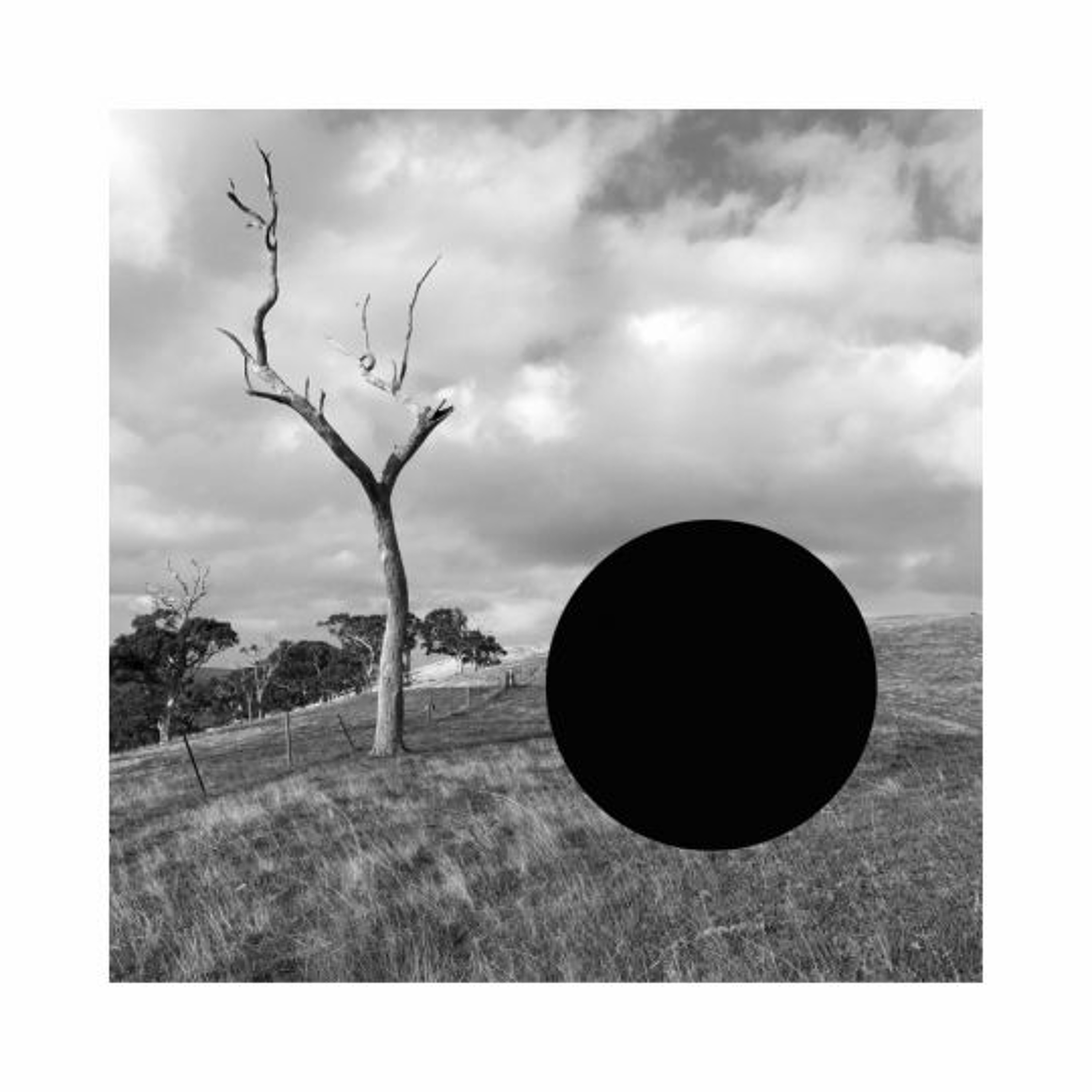
This little grouping of images is on top of a diamond. The diamond shape features a lot in Kaurna carving, but also this one’s referring to a specific cultural object that is quite a sacred object, but I can represent it in this format as a diamond. At the center of the installation is a work with Pintingga. Pintingga refers to Kangaroo Island, which used to be part of the mainland at the last ice age but had got cut off somewhere between 12,500 years ago and had become completely cut off by about 9,000 years ago. It used to be a place where Kaurna people used to live, as well as Ngarrindjeri people and Peramangk, and Narungga used to have connections to it, and Barngarla, too. These days we just have connections to it; it’s a place we call. So Pintingga directly means “the place of the dead,” and so no one really lived there since the island’s been cut off. There’s evidence people might have been living on there or visiting there ‘til up to about 2,500 years ago. But it’s a very sacred place for us. We’re allowed to visit it but we’re not allowed to live there. It’s a space that we associate with mourning. The people who live there now are not indigenous people. And it was the site where the first whalers and sealers colonized because it was not inhabited and it was a good place to set up before colonizing the mainland. When the British arrived after the whalers and sealers, they set up a town at King’s Cove at this site of Kangaroo Island. So we have multiple names for Kangaroo Island; we can call it Karta which means island, or Lap, or Pintingga “the place of the dead,” so in long-form sometimes we call it Karta Pintingga. I wanted to acknowledge this place in the photograph, so it’s overlaid with text referring to that space.

This little grouping of images is on top of a diamond. The diamond shape features a lot in Kaurna carving, but also this one’s referring to a specific cultural object that is quite a sacred object, but I can represent it in this format as a diamond. At the center of the installation is a work with Pintingga. Pintingga refers to Kangaroo Island, which used to be part of the mainland at the last ice age but had got cut off somewhere between 12,500 years ago and had become completely cut off by about 9,000 years ago. It used to be a place where Kaurna people used to live, as well as Ngarrindjeri people and Peramangk, and Narungga used to have connections to it, and Barngarla, too. These days we just have connections to it; it’s a place we call. So Pintingga directly means “the place of the dead,” and so no one really lived there since the island’s been cut off. There’s evidence people might have been living on there or visiting there ‘til up to about 2,500 years ago. But it’s a very sacred place for us. We’re allowed to visit it but we’re not allowed to live there. It’s a space that we associate with mourning. The people who live there now are not indigenous people. And it was the site where the first whalers and sealers colonized because it was not inhabited and it was a good place to set up before colonizing the mainland. When the British arrived after the whalers and sealers, they set up a town at King’s Cove at this site of Kangaroo Island. So we have multiple names for Kangaroo Island; we can call it Karta which means island, or Lap, or Pintingga “the place of the dead,” so in long-form sometimes we call it Karta Pintingga. I wanted to acknowledge this place in the photograph, so it’s overlaid with text referring to that space.

NOW PLAYING

We Call This Place... Pintingga

0:00 2:05

No transcript for this episode yet

We transcribe on demand. Request one and we'll notify you when it's ready — usually under 10 minutes.

PMA: Sculpture Garden - Art Tours Philadelphia Museum of Art The Sculpture,Garden presents a superb and versatile outdoor setting for the appreciation of art, offering a lively experience of sculpture for both the casual passerby and devoted art lovers. Gracefully integrated into the existing landscape, the Sculpture,Garden extends the Museum’s vast galleries to the outdoors while strengthening the Museum’s connections to the city and Fairmount Park. Its pathways and vistas, green space, and water feature create a variety of spaces for art while maintaining an open setting that invites Philadelphia’s public to explore a new expression of the Museum’s goal to make more art available to an ever-growing audience. Song Against Songs, The by G. K. Chesterton (1874 - 1936) LibriVox LibriVox volunteers bring you 9 recordings of The Song Against Songs by G. K. Chesterton. This was the Fortnightly Poetry project for October 16, 2011.Chesterton was a large man, standing 6 feet 4 inches (1.93 m) and weighing around 21 stone (130 kg; 290 lb). His girth gave rise to a famous anecdote. During World War I a lady in London asked why he was not 'out at the Front'; he replied, 'If you go round to the side, you will see that I am.' On another occasion he remarked to his friend George Bernard Shaw: "To look at you, anyone would think a famine had struck England". Shaw retorted, "To look at you, anyone would think you have caused it". P. G. Wodehouse once described a very loud crash as "a sound like Chesterton falling onto a sheet of tin."( Summary from Wikipedia ) Talks Hirshhorn Museum and Sculpture Garden Browse through our selection of lectures and talks by Friday Gallery Talks, In Conversation, and Meet the Artist. Brochures Hirshhorn Museum and Sculpture Garden Read through brochures of Exhibits and individual artists' works from the past and present exhibitions at the Hirshhorn.

Frequently Asked Questions

How long is this episode of George Eastman Museum?

This episode is 2 minutes long.

When was this George Eastman Museum episode published?

This episode was published on January 13, 2022.

What is this episode about?

This little grouping of images is on top of a diamond. The diamond shape features a lot in Kaurna carving, but also this one’s referring to a specific cultural object that is quite a sacred object, but I can represent it in this format as a diamond....

Can I download this George Eastman Museum episode?

Yes, you can download this episode by clicking the download button on the episode player, or subscribe to the podcast in your preferred podcast app for automatic downloads.
URL copied to clipboard!