Wednesday of Holy Week - Perceiving Jesus as Lord episode artwork

EPISODE · Mar 31, 2026 · 7 MIN

Wednesday of Holy Week - Perceiving Jesus as Lord

from Catholic Daily Reflections · host My Catholic Life!

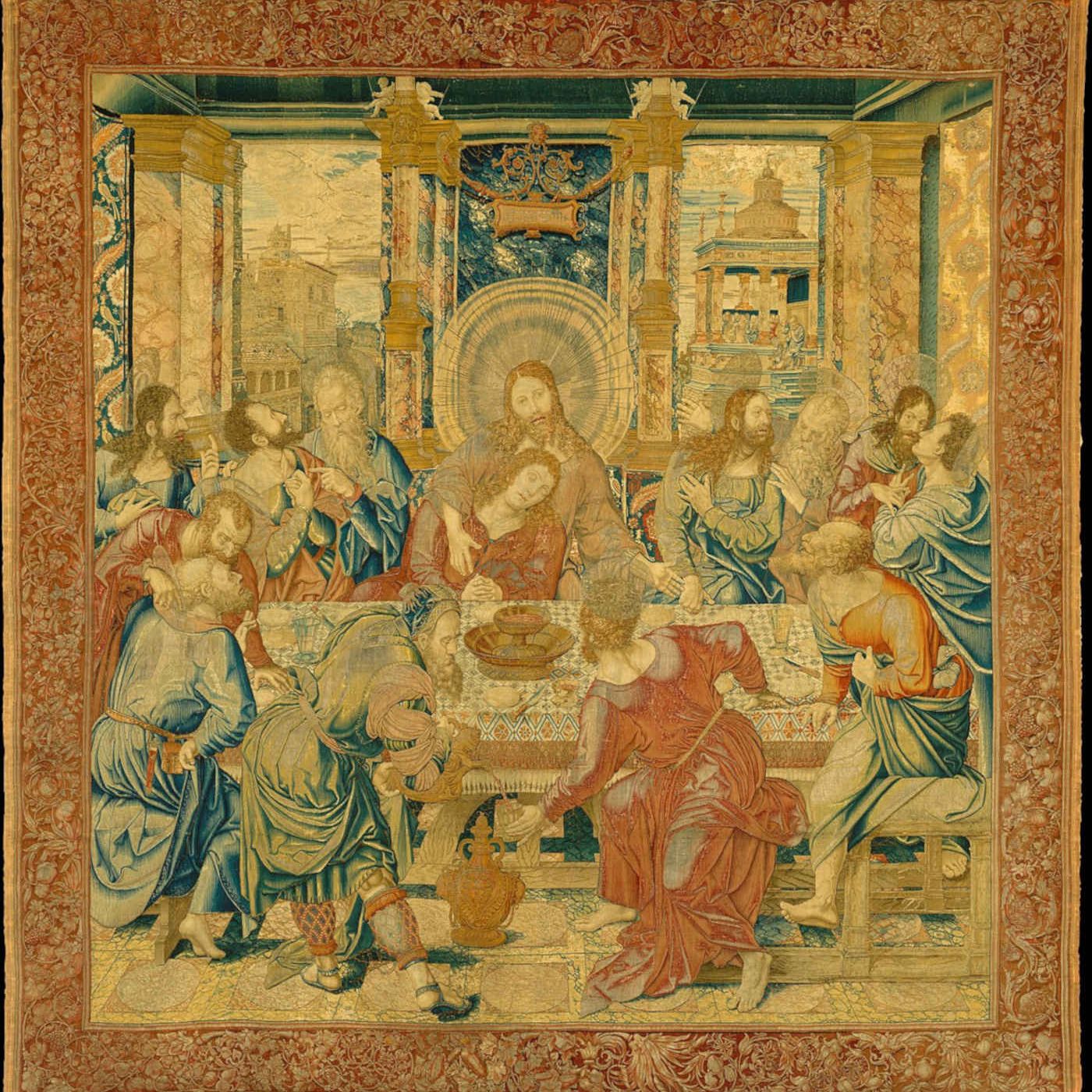
Read Online“Amen, I say to you, one of you will betray me.” Deeply distressed at this, they began to say to him one after another, “Surely it is not I, Lord?” He said in reply, “He who has dipped his hand into the dish with me is the one who will betray me.” Matthew 26:21–23The Last Supper was both a glorious moment of grace and a painful moment of betrayal. During that meal, Jesus instituted the Eucharist, the gift of His Body and Blood, Soul and Divinity that perpetuates His saving sacrifice until the end of time. It was also at that holy meal that one of Jesus’ closest companions lied to His face and resolved to betray Him for thirty pieces of silver.According to the Torah, if an ox killed a slave, the owner was required to pay the slave’s master thirty pieces of silver. The holy irony is that Judas betrayed Jesus for the price of a slave, even though Jesus came to set all people free from the slavery of sin.When Jesus informs the Twelve that one of them would betray Him, He does so without anger or self-pity. His words reflect holy sorrow, accompanied by resignation, clarity, and gentleness. This sorrow is not merely sadness over His impending suffering but a loving sorrow for the lost soul of His betrayer. Deeply distressed, the disciples respond one after another, “Surely it is not I, Lord?”The Greek word Kyrios, used here for “Lord,” denotes authority, mastery, and divine lordship. It appears frequently in the New Testament, primarily in reference to Jesus. In the Greek Old Testament (the Septuagint), Kyrios replaces YHWH, the sacred and unspoken name of God, about 7,000 times. By addressing Jesus as Kyrios, the eleven recognize Him not only as their teacher but as the Messiah and Son of God. This title expresses a relationship of trust and reverence, acknowledging Jesus’ divine authority.When Judas speaks, he replaces Kyrios with Rabbí—“Surely it is not I, Rabbi?”—a transliteration of the Hebrew and Aramaic term meaning “teacher.” While respectful, this address falls short of acknowledging Jesus as Kyrios, focusing on Him as a human teacher rather than as Lord, Messiah, and God. This distinction is subtle but significant, inviting us to reflect on how we approach Jesus during the Holy Mass, since this conversation took place at the Last Supper—the first Mass. Do we approach Him with the heart of Judas, recognizing Him only in an earthly sense, or with the faith of the other disciples, seeing Him as Lord?Judas did not hate Jesus. Unlike the Pharisees who sought His death, Judas regretted his betrayal, tried to return the thirty pieces of silver, and tragically “went off and hanged himself” (Matthew 27:3–5). His greatest failure was that he could not look beyond Jesus’ humanity to perceive His divinity. His eyes were fixed on himself—particularly his greed and selfish desires. In a similar way, when we approach the Eucharist without faith, surrender, and adoration, we risk falling into Judas’ error: focusing more on ourselves than on Christ.At Mass, we say, “Lord, have mercy,” not “Rabbi, have mercy.” This prayer must come from the depths of our hearts, recognizing our need for mercy with God as its source. When we kneel at the consecration, our hearts should cry out, “My Lord and my God!” Yet, how often are we distracted, thinking about our plans after Mass? When we neglect to approach Jesus in faith and reverence, we miss the opportunity to encounter Him as He truly is—our Lord and our God.Reflect today on how you participate in the Holy Mass. See yourself at the Last Supper, uniting that moment with every Mass you attend. Pray that you may receive Jesus with love, devotion, and reverence, looking beyond the appearance of bread and wine to encounter your Lord. My Lord and my God, I believe in You, I adore You, I hope in Your mercy, and I love You with all my heart. Please fill me with a deep faith in Your presence, especially every time I attend Mass. May I recognize my need for You and surrender completely to Your mercy and love. Jesus, I trust in You.  Image: Bernard van Orley, CC0, via Wikimedia CommonsSource: Free RSS feed from catholic-daily-reflections.com — Copyright © 2026 My Catholic Life! Inc. All rights reserved. This content is provided solely for personal, non-commercial use. Redistribution, republication, or commercial use — including use within apps with advertising — is strictly prohibited without written permission.

Read Online“Amen, I say to you, one of you will betray me.” Deeply distressed at this, they began to say to him one after another, “Surely it is not I, Lord?” He said in reply, “He who has dipped his hand into the dish with me is the one who will betray me.” Matthew 26:21–23The Last Supper was both a glorious moment of grace and a painful moment of betrayal. During that meal, Jesus instituted the Eucharist, the gift of His Body and Blood, Soul and Divinity that perpetuates His saving sacrifice until the end of time. It was also at that holy meal that one of Jesus’ closest companions lied to His face and resolved to betray Him for thirty pieces of silver.According to the Torah, if an ox killed a slave, the owner was required to pay the slave’s master thirty pieces of silver. The holy irony is that Judas betrayed Jesus for the price of a slave, even though Jesus came to set all people free from the slavery of sin.When Jesus informs the Twelve that one of them would betray Him, He does so without anger or self-pity. His words reflect holy sorrow, accompanied by resignation, clarity, and gentleness. This sorrow is not merely sadness over His impending suffering but a loving sorrow for the lost soul of His betrayer. Deeply distressed, the disciples respond one after another, “Surely it is not I, Lord?”The Greek word Kyrios, used here for “Lord,” denotes authority, mastery, and divine lordship. It appears frequently in the New Testament, primarily in reference to Jesus. In the Greek Old Testament (the Septuagint), Kyrios replaces YHWH, the sacred and unspoken name of God, about 7,000 times. By addressing Jesus as Kyrios, the eleven recognize Him not only as their teacher but as the Messiah and Son of God. This title expresses a relationship of trust and reverence, acknowledging Jesus’ divine authority.When Judas speaks, he replaces Kyrios with Rabbí—“Surely it is not I, Rabbi?”—a transliteration of the Hebrew and Aramaic term meaning “teacher.” While respectful, this address falls short of acknowledging Jesus as Kyrios, focusing on Him as a human teacher rather than as Lord, Messiah, and God. This distinction is subtle but significant, inviting us to reflect on how we approach Jesus during the Holy Mass, since this conversation took place at the Last Supper—the first Mass. Do we approach Him with the heart of Judas, recognizing Him only in an earthly sense, or with the faith of the other disciples, seeing Him as Lord?Judas did not hate Jesus. Unlike the Pharisees who sought His death, Judas regretted his betrayal, tried to return the thirty pieces of silver, and tragically “went off and hanged himself” (Matthew 27:3–5). His greatest failure was that he could not look beyond Jesus’ humanity to perceive His divinity. His eyes were fixed on himself—particularly his greed and selfish desires. In a similar way, when we approach the Eucharist without faith, surrender, and adoration, we risk falling into Judas’ error: focusing more on ourselves than on Christ.At Mass, we say, “Lord, have mercy,” not “Rabbi, have mercy.” This prayer must come from the depths of our hearts, recognizing our need for mercy with God as its source. When we kneel at the consecration, our hearts should cry out, “My Lord and my God!” Yet, how often are we distracted, thinking about our plans after Mass? When we neglect to approach Jesus in faith and reverence, we miss the opportunity to encounter Him as He truly is—our Lord and our God.Reflect today on how you participate in the Holy Mass. See yourself at the Last Supper, uniting that moment with every Mass you attend. Pray that you may receive Jesus with love, devotion, and reverence, looking beyond the appearance of bread and wine to encounter your Lord. <br...

NOW PLAYING

Wednesday of Holy Week - Perceiving Jesus as Lord

0:00 7:23

No transcript for this episode yet

We transcribe on demand. Request one and we'll notify you when it's ready — usually under 10 minutes.

Christadelphian Encouragements CE.captivate.fm Christadelphian Encouragements provides sermons, exhortations, bible studies, memorials, and daily readings from around the world. Please visit ChristadelphianEncouragements.Com and our content creators websites for more information and Christian audio content. LE HAWKESBURY SOCIAL ’BACK TO LIFE’ ADAM STACEY Welcome to the ‘Le Hawkesbury Social’, 'Back to Life’ a space where we celebrate life in all its colors: happiness, joy, love, connection, and even the moments of sadness that make us human. A space where we celebrate life in all its colors: happiness, joy, love, connection, and even the moments of sadness that make us human. Hosted by a passionate mental health advocate, this show dives deep into the topics that truly matter to today’s culture and community. Each episode offers honest conversations, thoughtful reflections, and real stories that bring people together. Whether you’re here for mental health discussions, community connections, or just looking to feel seen and heard in a fast-paced world, you’re in the right place. Adam believes in building a diverse and inclusive community where voices from every background can come together, share, and support one another. That’s why every Wellness Podcast, we open the mic to local community partners, support services, and inspiring voi Westenberg Joan Westenberg The Westenberg Podcast offers ideas, explainers, book notes, and reflections on technology, philosophy, and the human experience. Hosted by Joan Westenberg, each episode unpacks complex topics with clarity and depth, blending personal insights with thought-provoking analysis. It’s a space for exploring big questions and fresh perspectives in an accessible format. Gooday Gaming Guests FFF Gaming Emporium These are my Daily Messages in a Bottle sent over the internet Ocean for anyone to find. Listen to a Quick 20-minute Journey into my Life's Passions Work a Few Times a Day. I am 57. I Grew Up on All Gaming and Computing. I am a Seller of Gaming Parts on eBay and Etsy. In the past 8 years, I have learned about every system ever made. I am also an Enthusiast, Collector and Hobbyist of all Vintage Computing from the Very Beginning. In the last Few Years, I have been sharing my knowledge with others on YouTube, TikTok and Now this Pod Cast.See where all the Magic Happens:FFF Gaming Emporium | eBay Storeshttps://www.youtube.com/channel/UCDrdCmDQ52AsCWTWAhE7JEQ/<a target="_blank" rel="noopener noreferrer nofollow" href="https://www

Frequently Asked Questions

How long is this episode of Catholic Daily Reflections?

This episode is 7 minutes long.

When was this Catholic Daily Reflections episode published?

This episode was published on March 31, 2026.

What is this episode about?

Read Online“Amen, I say to you, one of you will betray me.” Deeply distressed at this, they began to say to him one after another, “Surely it is not I, Lord?” He said in reply, “He who has dipped his hand into the dish with me is the one who will...

Can I download this Catholic Daily Reflections episode?

Yes, you can download this episode by clicking the download button on the episode player, or subscribe to the podcast in your preferred podcast app for automatic downloads.
URL copied to clipboard!