
EPISODE · Nov 6, 2020 · 58 MIN
“We’re not selling a neighborhood”: A new guidebook spotlights landmarks of conflict and resilience
from East Bay Yesterday · host East Bay Yesterday
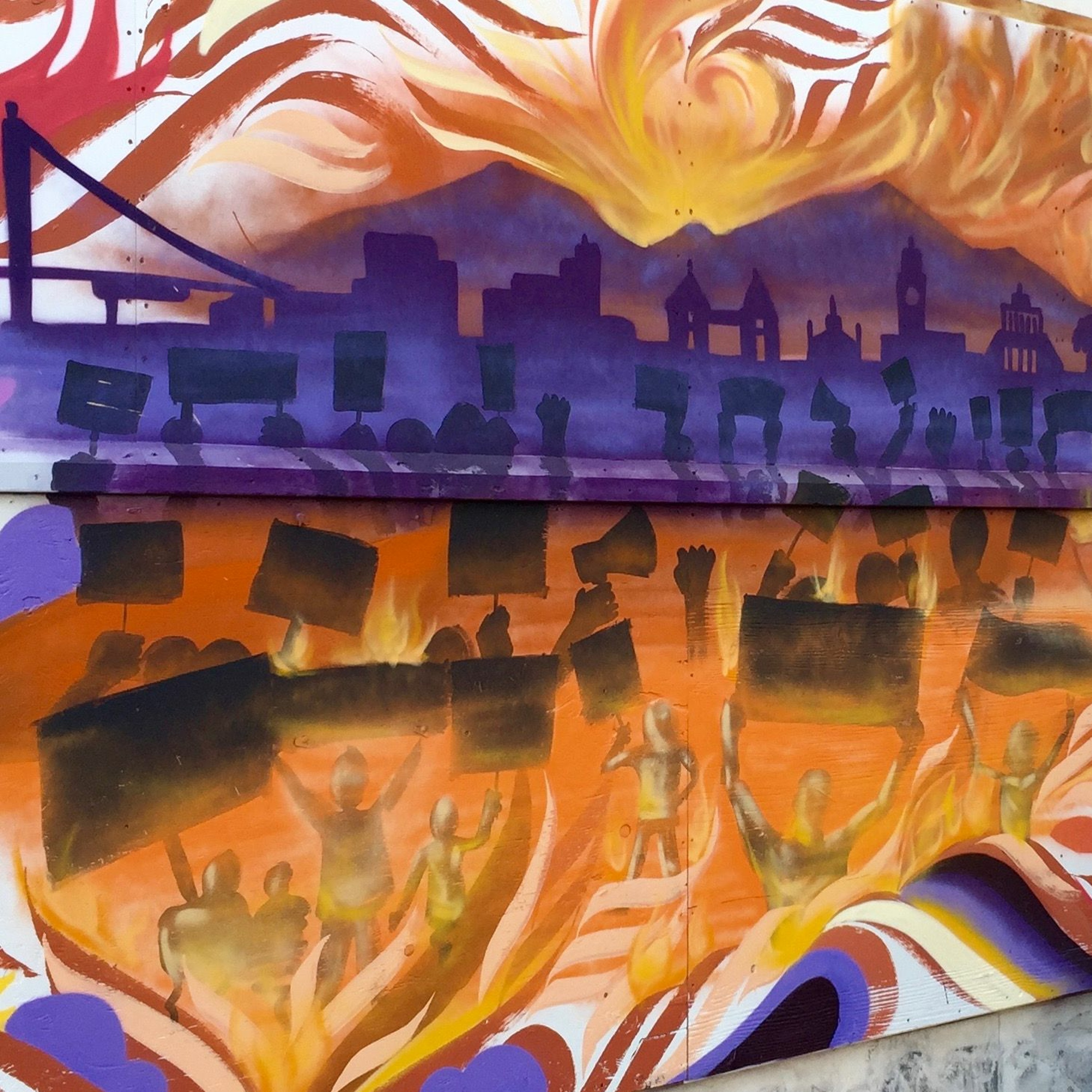
Amidst this year’s bombardment of campaign ads and nonstop election news, it’s easy to forget that the ballot box is only one of many ways that people participate in politics and drive systemic change. Although often ignored by history books, which tend to focus on politicians, “bottom up” movements led by students, workers, and other “regular people” have been a major force in shaping the Bay Area. From criminal justice reform to LGBTQ equality, the changes happening now at the policy level emerged from years of organizing, and are built upon mountains of frustrating setbacks. At a time when the federal government is characterized by gridlock and dysfunction, looking back at the strength of local activism through the decades is a healthy reminder that much can be accomplished between elections, far from the halls of power. If you’ve been staring into the soul-sucking abyss of cable news or doomscrolling through the implosion of American democracy, delving into the stories of anti-eviction battles, Ohlone resistance, strikes, and resilient celebration featured in “A People’s Guide to the San Francisco Bay Area” (UC Press) will provide a welcome glimmer of hope. Not naive optimism, but the kind of tempered determination that comes when you remember how bad things have been before – and how people successfully fought to keep them from getting worse. This might be hard to believe right now, but some things even got better. (Case in point: Many of the Bay Area’s most beautiful parks are located on the sites of former military installations.) Although formatted similarly to popular travel books, “A People’s Guide to the San Francisco Bay Area” does not include the region’s most obvious tourist destinations. Instead, it explores the landscape from a historical perspective, highlighting significant places associated with social conflict, ecological restoration, and radical activism. For those wishing to combine their education with a bit of exercise, it even includes a series of thematic tours organized by themes such as “Youth in Revolt” and “The Intertribal Bay.” This episode features interviews with co-author Rachel Brahinsky, an associate professor at the University of San Francisco, and Diana Negrín da Silva, who contributed many of the book’s East Bay entries and also teaches in the geography department of UC Berkeley. Listen now to hear us discuss Oakland’s long history of dancing during protests, the origins of Contra Costa County’s “fossil fuel corridor” and much more: Apple / SoundCloud / Spotify. East Bay Yesterday can’t survive without your support. Please donate to keep this show alive: www.patreon.com/eastbayyesterday See images for this story here: https://eastbayyesterday.com/episodes/were-not-selling-a-neighborhood/
Embed this episode
Ready to play
“We’re not selling a neighborhood”: A new guidebook spotlights landmarks of conflict and resilience
No transcript for this episode yet
Similar Episodes
No similar episodes found.
Similar Podcasts
No similar podcasts found.