
EPISODE · Jul 8, 2026 · 24 MIN
What a harness is and how to build one with Claude Agent SDK
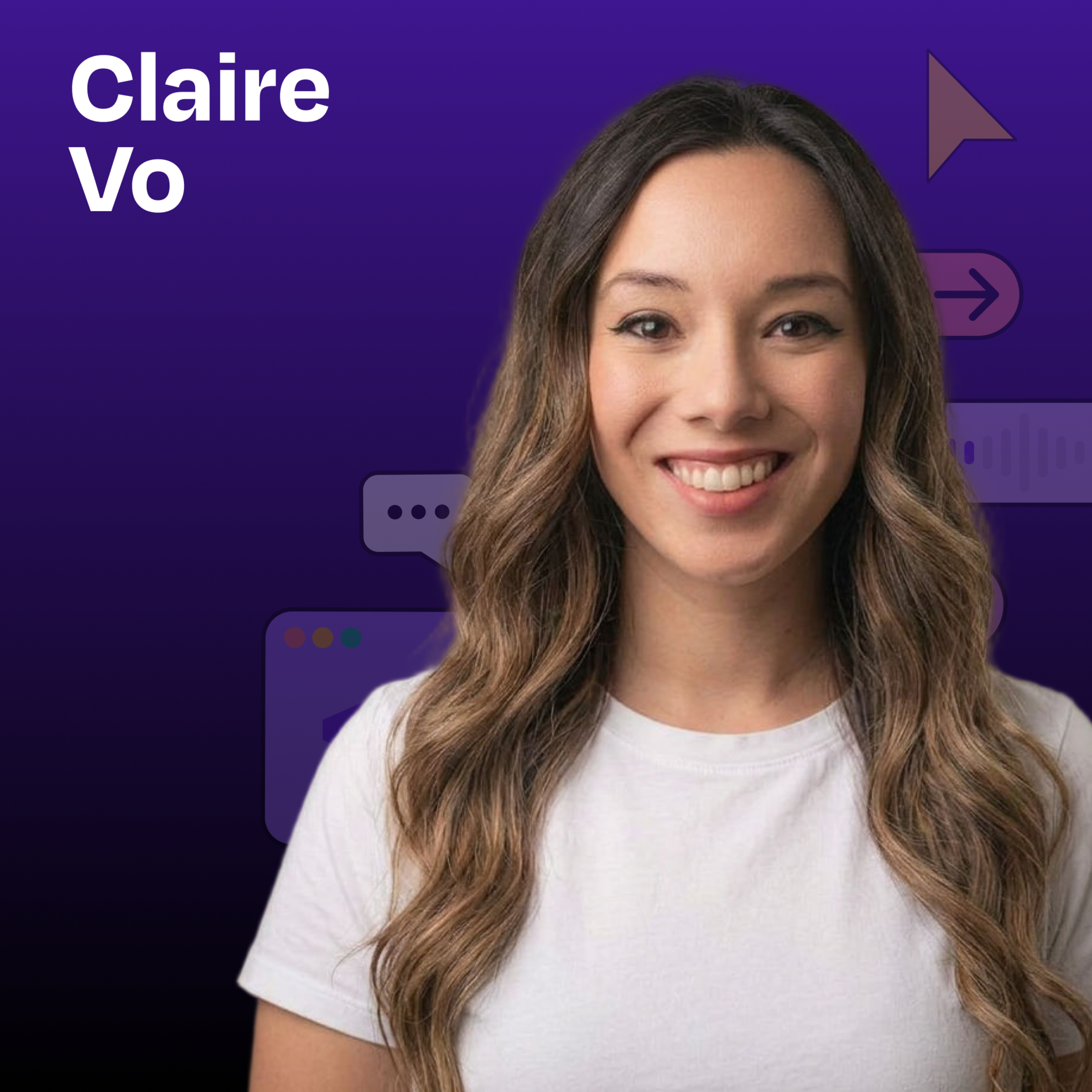
from How I AI · host Claire Vo
Everybody is saying, “It’s not the model, it’s the harness,” but almost nobody stops to explain what a harness actually is. So I did. I built one live on the show: a Sentry bug-debugging harness for my company ChatPRD, using the Claude Agent SDK, a custom terminal UI built with the Ink library, and opinionated adapters for Sentry, Linear, GitHub, and Vercel. The harness handles evidence gathering, root-cause analysis, and follow-up artifact creation, all without me needing to type “dear agent, please fix this bug” ever again. I also walk through the architecture, share the code structure, and give you the exact process I used so you can build your own harness for any repetitive, structured workflow in your business.What you’ll learn:What a harness actually isWhen to build a harness versus when to stick with a general-purpose tool like Claude Code or CodexHow to encode specific permissions into a harnessThe three components every harness needsHow I used GPT-5.5 and Claude Opus to build the harness code itself (and where they both initially resisted)How to structure the artifacts your harness produces so the whole team can use the output—Brought to you by:Bolt.new—Turn your idea into a real productCustomer.io—Build customer engagement campaigns from a single prompt—In this episode, we cover:(00:00) What is an AI harness?(03:19) When to build a harness(04:33) Why Claire picked bug triage(06:00) Why not just use Claude Code?(07:48) Demo: The custom harness interface(11:04) Architecture: runs, tasks, tools, and artifacts(13:44) Building it with Codex and Claude(15:08) Code map and file layout(16:51) A look at the code(19:18) The live investigation result(21:01) How to build your own harness—Tools referenced:• Claude Agent SDK (Anthropic): https://code.claude.com/docs/en/agent-sdk/overview• Claude Sonnet 4.6 (model used inside the harness): https://www.anthropic.com/news/claude-sonnet-4-6• Claude Opus (used to build the harness): https://www.anthropic.com/claude/opus• GPT-5.5 (Codex, used to build the harness): https://openai.com/index/introducing-gpt-5-5/• Ink (terminal UI library for Node.js): https://github.com/vadimdemedes/ink• Sentry (error monitoring): https://sentry.io/• Linear (project management): https://linear.app/• GitHub: https://github.com/• Vercel: https://vercel.com/—Where to find Claire Vo:ChatPRD: https://www.chatprd.ai/Website: https://clairevo.com/LinkedIn: https://www.linkedin.com/in/clairevo/X: https://x.com/clairevo—Production and marketing by https://penname.co/. For inquiries about sponsoring the podcast, email [email protected].
What this episode covers
Everybody is saying, “It’s not the model, it’s the harness,” but almost nobody stops to explain what a harness actually is. So I did. I built one live on the show: a Sentry bug-debugging harness for my company ChatPRD, using the Claude Agent SDK, a custom terminal UI built with the Ink library, and opinionated adapters for Sentry, Linear, GitHub, and Vercel. The harness handles evidence gathering, root-cause analysis, and follow-up artifact creation, all without me needing to type “dear agent, please fix this bug” ever again. I also walk through the architecture, share the code structure, and give you the exact process I used so you can build your own harness for any repetitive, structured workflow in your business.What you’ll learn:What a harness actually isWhen to build a harness versus when to stick with a general-purpose tool like Claude Code or CodexHow to encode specific permissions into a harnessThe three components every harness needsHow I used GPT-5.5 and Claude Opus to build the harness code itself (and where they both initially resisted)How to structure the artifacts your harness produces so the whole team can use the output—Brought to you by:Bolt.new—Turn your idea into a real productCustomer.io—Build customer engagement campaigns from a single prompt—In this episode, we cover:(00:00) What is an AI harness?(03:19) When to build a harness(04:33) Why Claire picked bug triage(06:00) Why not just use Claude Code?(07:48) Demo: The custom harness interface(11:04) Architecture: runs, tasks, tools, and artifacts(13:44) Building it with Codex and Claude(15:08) Code map and file layout(16:51) A look at the code(19:18) The live investigation result(21:01) How to build your own harness—Tools referenced:• Claude Agent SDK (Anthropic): https://code.claude.com/docs/en/agent-sdk/overview• Claude Sonnet 4.6 (model used inside the harness): https://www.anthropic.com/news/claude-sonnet-4-6• Claude Opus (used to build the harness): https://www.anthropic.com/claude/opus• GPT-5.5 (Codex, used to build the harness): https://openai.com/index/introducing-gpt-5-5/• Ink (terminal UI library for Node.js): https://github.com/vadimdemedes/ink• Sentry (error monitoring): https://sentry.io/• Linear (project management): https://linear.app/• GitHub: https://github.com/• Vercel: https://vercel.com/—Where to find Claire Vo:ChatPRD: https://www.chatprd.ai/Website: https://clairevo.com/LinkedIn: https://www.linkedin.com/in/clairevo/X: https://x.com/clairevo—Production and marketing by https://penname.co/. For inquiries about sponsoring the podcast, email [email protected].
NOW PLAYING
What a harness is and how to build one with Claude Agent SDK
No transcript for this episode yet
Similar Episodes
Mar 31, 2026 ·54m
Mar 27, 2026 ·14m
Mar 24, 2026 ·42m
Mar 20, 2026 ·42m
Mar 17, 2026 ·41m
Mar 13, 2026 ·44m