
EPISODE · Jul 13, 2024 · 6 MIN
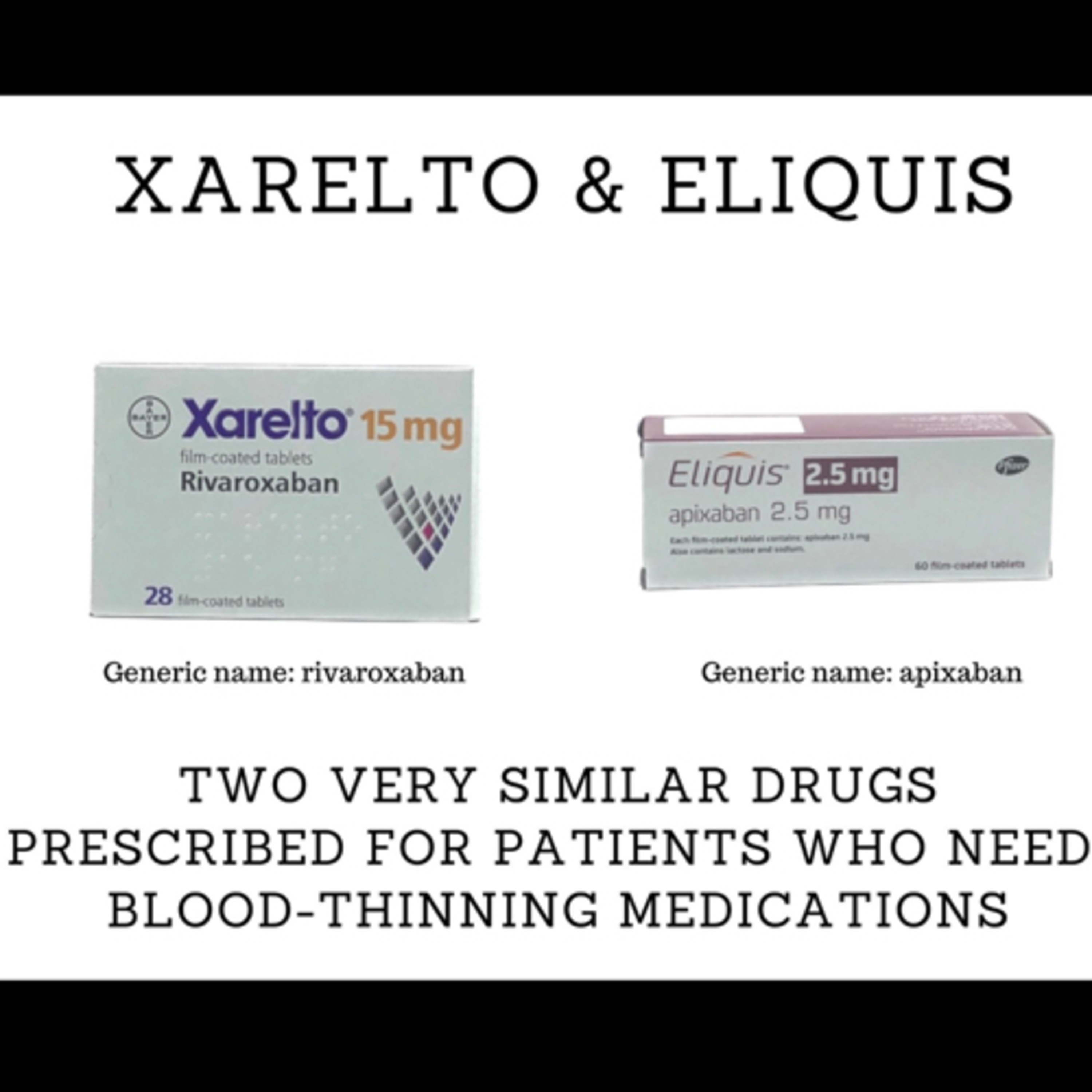
“What are the Half Lives of Eliquis and Xarelto, and thier Clinical Significance?”
from Dr. Gallagher's Podcast · host Brendan Gallagher, DDS
7.13.24 Quick Review #177 - #surgery #surgeon #doctorgallagher #oralsurgery #oralsurgeon #omfs #dentist #dentistry #dental Half-life of Eliquis vs. Rivaroxaban: 1. Eliquis (Apixaban) • Half-life: Approximately 12 hours. 2. Rivaroxaban (Xarelto) • Half-life: Approximately 5-9 hours in healthy individuals, but it can be longer (up to 13 hours) in the elderly. Clinical Significance of Half-life: • The half-life of a drug is the time it takes for the plasma concentration of the drug to reduce by half. • It is an essential pharmacokinetic parameter because it helps determine the dosing frequency and the time required for a drug to reach steady-state concentration or to be eliminated from the body. Holding Anticoagulants Before Dental Surgery: • When planning dental surgery for patients on anticoagulants like Eliquis and Rivaroxaban, the half-life becomes particularly significant. • The decision to hold anticoagulants prior to surgery should be consulted with the patient’s prescribing physician. 1. Risk of Bleeding: Both medications are anticoagulants, and their primary function is to prevent blood clots by inhibiting factors involved in the coagulation cascade. During dental procedures, which often involve some level of bleeding, these medications can increase the risk of significant bleeding. 2. Timing of Discontinuation: • Eliquis (Apixaban): Given its half-life of 12 hours, it is usually recommended to stop Eliquis at least 48-72 hours before major dental surgery to reduce the risk of bleeding. This allows the drug to be cleared from the system sufficiently. • Rivaroxaban (Xarelto): With a half-life of 5-9 hours, it is often recommended to discontinue Rivaroxaban 24-48 hours before surgery. For patients at higher risk of bleeding or with impaired renal function, a longer discontinuation period may be advised. 3. Resumption After Surgery: After the procedure, the timing to resume the anticoagulant therapy is also critical and should balance the risk of bleeding with the risk of thromboembolism. This decision is often made based on the type of procedure, the patient’s bleeding risk, and the specific anticoagulant used. *** It’s essential to consult with the prescribing physician to optimize the timing of discontinuation and resumption of these medications. *** References: 1. Carey. (2021, October 19). Which is safer Xarelto or Eliquis? IsraelPharm. Retrieved July 12, 2024. 2. Bauer, K. A. (2013). Pros and cons of new oral anticoagulants. Cleveland Clinic Journal of Medicine, 80(6), 443-446. 3. Levi, M., & Eerenberg, E. (2012). Management of bleeding in patients treated with direct oral anticoagulants. Critical Care, 16(3), 201. 4. ChatGPT. 2024 - #podcast #podcasts #dentalpodcast #dentalpodcasts #doctorgallagherpodcast #doctorgallagherspodcast #doctor #dentistry #oralsurgery #dental #viral #dentalschool #dentalstudent #omfs #surgeon #doctorlife #dentistlife #residency #oralsurgeon #dentist #doctorgallagher
Embed this episode
Ready to play
“What are the Half Lives of Eliquis and Xarelto, and thier Clinical Significance?”
No transcript for this episode yet
Similar Episodes
No similar episodes found.
Similar Podcasts
No similar podcasts found.