
EPISODE · Jul 29, 2026 · 49 MIN
What City Hall in Japan Is Really Like (From Someone Who Worked There) | Ep 142
from Buying a House in Japan · host Mokomoko Productions
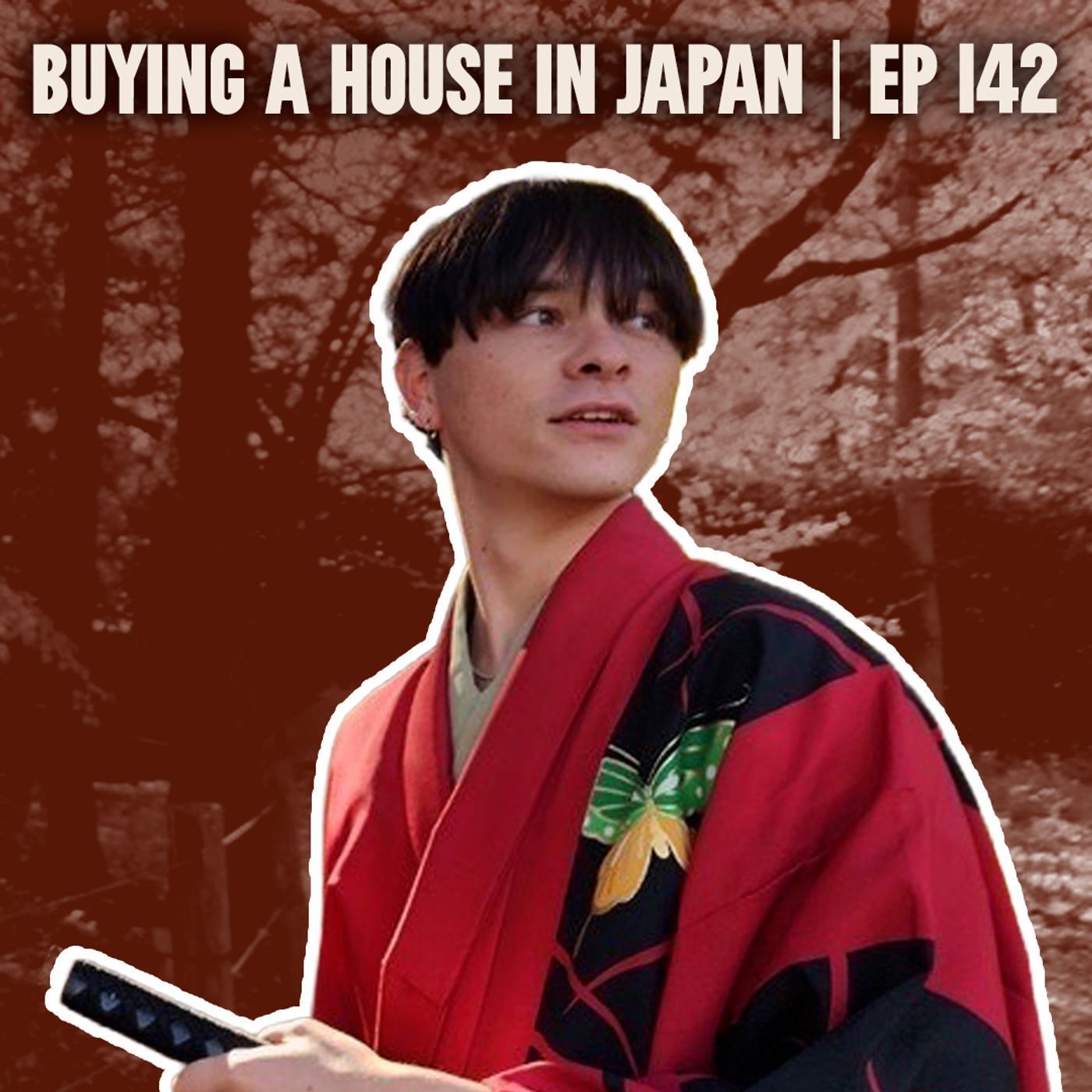
Sam Hanada, half Japanese and half Kiwi, moved to Japan through the JET Program and spent three years working inside a Japanese city hall before a short, eye-opening stint at a "black kigyo" (exploitative company) sent him looking for something better. Now working with theteam on consultations and leading the new Mocha Moko Ambassador affiliate program, Sam shares what daily life in a small Chiba town is really like, how he built deep community ties through a 300-year-old local festival, and practical advice for anyone navigating Japanesebureaucracy or job hunting from scratch.Key TakeawaysThe JET Program has three distinct tracks (ALT, SEA, CIR) with very different Japanese-language requirements and levels of support"Black kigyo" red flags include vague job descriptions, personal bank accounts used for company funds, and "we're a family" language during interviewsMaking an effort to integrate is reciprocated in rural Japan — the "unwelcoming countryside" stereotype didn't match Sam's real experienceCity hall work in Japan deliberately rotates employees between departments every few years to keep them generalists rather than specialistsJoining a local matsuri (festival) turned out to be one of the most effective ways to build genuine community connections and even led to freelance workIn This EpisodeSam's path to Japan: growing up half Japanese in New Zealand, learning the language later in life, and choosing the CIR (Coordinator for International Relations) track of JETWhat it's actually like working inside a small-town city hall, including the daily "chorei" morning meeting and generational mix of coworkersThe population decline reshaping small Japanese towns, and how municipalities merge to preserve city statusThe full story of the "black kigyo" company Sam quit after one week, and the specific red flags to watch for when job hunting in JapanHow Japanese overtime contracts (zangyo) actually work and why "family culture" language in interviews deserves scrutiny●Practical tips for visiting a Japanese city hall: what to bring, the best time of day to go, and how to prepare paperwork in advanceHow Sam got pulled into his town's 300-year-old dashi (float) festival through a work connection, and why it became a turning point for his sense of belongingSam's current role running the Mocha Moko Ambassador affiliate program and doing consultations for people navigating countryside JapanResources MentionedBook a consultation and you may be paired directly with Sam for guidance on countryside livingLearn more about the Mocha Moko Ambassador affiliate programBrowse listings on the show's English-friendly property search siteFollow the podcast on Instagram and TikTok for property tips and renovation updatesEnjoyed This Episode?Subscribe on Spotify or Apple Podcasts and leave a five-star rating — it takes five seconds andreally helps the show grow. Have a question about moving to Japan? Send it our way.
Embed this episode
NOW PLAYING
What City Hall in Japan Is Really Like (From Someone Who Worked There) | Ep 142
No transcript for this episode yet
Similar Episodes
No similar episodes found.
Similar Podcasts
No similar podcasts found.