
EPISODE · Mar 5, 2026 · 24 MIN
What do worms and wages have in common? More than you think
from Berkeley Voices
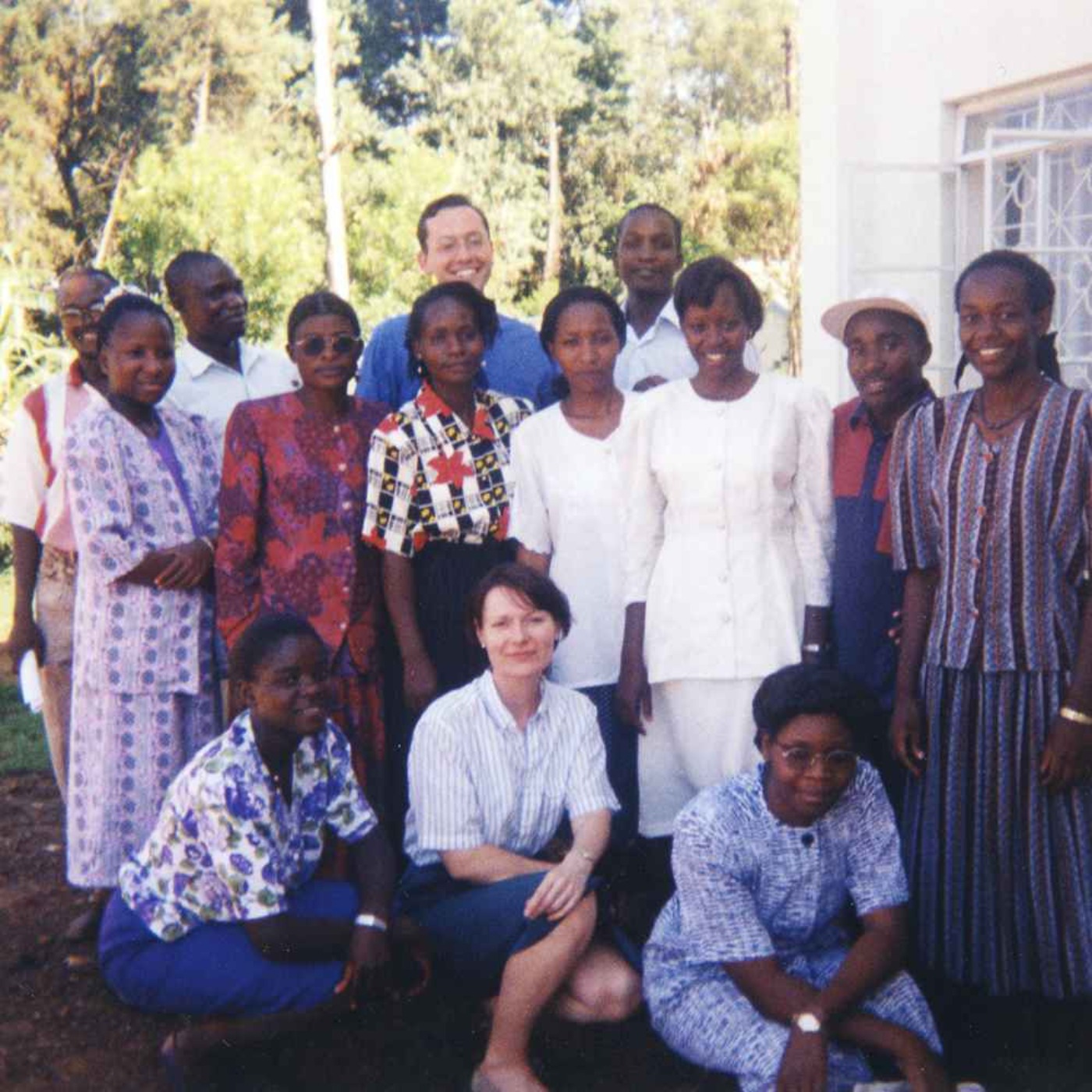
Carol Nekesa doesn’t know if she was ever infected by parasitic worms. But it’s likely, she says, since most kids in her community had them. “It was just a normal part of childhood,” she says. Carol grew up in the 1980s in a rural village in Busia County, Kenya. Like many regions in Sub-Saharan Africa at the time, Busia lacked the infrastructure for clean water and modern sanitation, leading to the pervasive spread of infectious diseases. Parents feared deadly outbreaks like malaria and cholera, often unaware of the slower, hidden damage caused by intestinal worms. The symptoms — fatigue, diarrhea, weight loss, stunted growth — rarely made headlines, yet they shaped children’s futures. At the time, more than a billion people worldwide, most of them children, were living with these infections, making parasitic worms one of the most widespread chronic health conditions on the planet.In 1998, two researchers — Ted Miguel, who is now an economics professor at UC Berkeley, and future Nobel laureate Michael Kremer — launched the Primary School Deworming Project in Busia. They had no idea that their work would become a global model proving just how much a healthy childhood matters — not just for kids in the study, but for generations to come.“It's kind of mind-blowing to be a researcher and know that your research is being cited and used as a justification for these large-scale programs,” says Miguel. “It’s amazing to see.”Listen to the episode and read the transcript on UC Berkeley News (news.berkeley.edu/podcasts/berkeley-voices).Music by Blue Dot Sessions.Photo courtesy of Ted Miguel. Hosted on Acast. See acast.com/privacy for more information.
Embed this episode
NOW PLAYING
What do worms and wages have in common? More than you think
No transcript for this episode yet
Similar Episodes
No similar episodes found.
Similar Podcasts
No similar podcasts found.