
EPISODE · Dec 3, 2024 · 12 MIN
What Good Is Accomplished
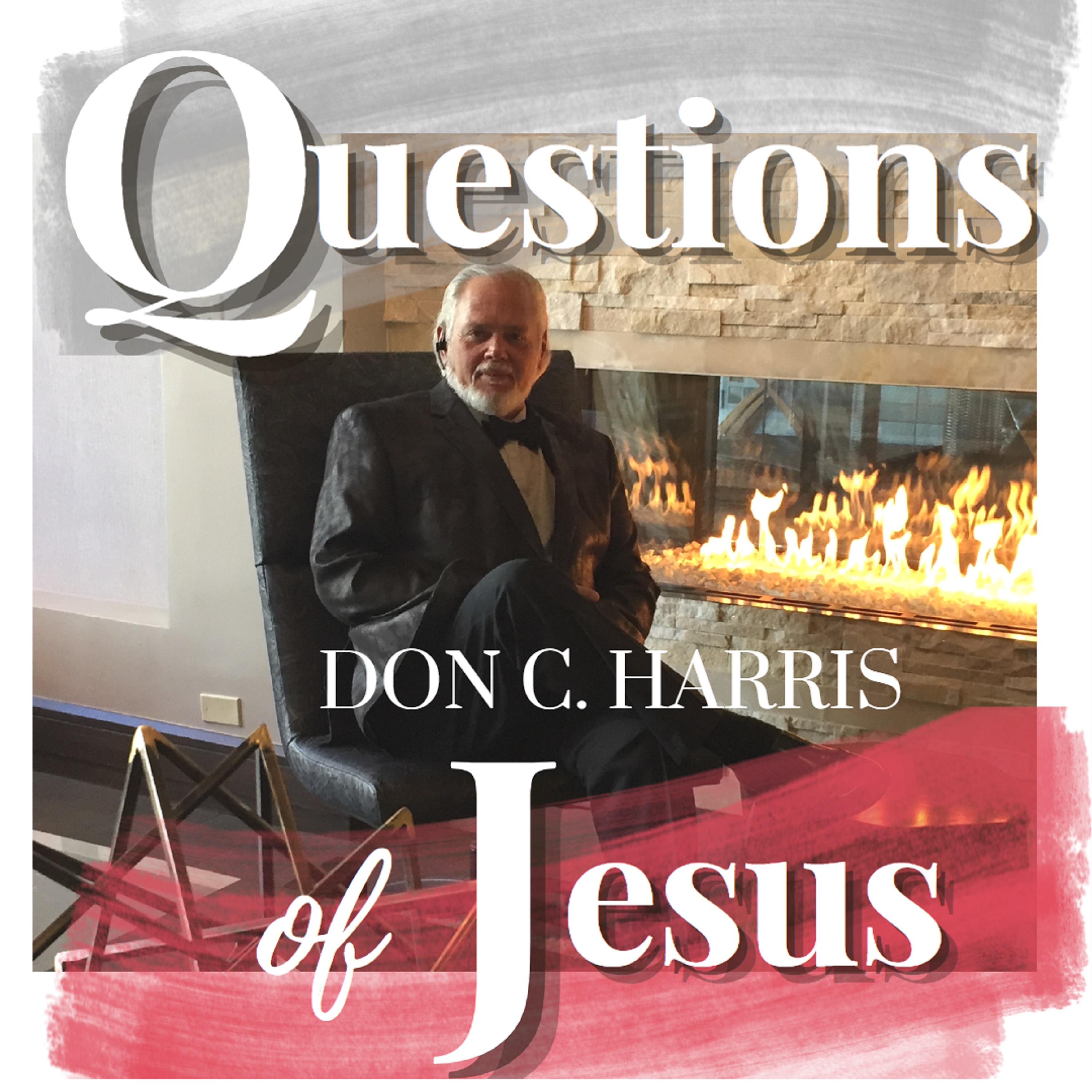
from Questions of Jesus
We must expand our circle of inclusion to take in the uncomplimentary, the uncouth, the unlovely, and yes, even the unclean, if we are to live to honor the words from Christ’s sermon. We must be honest and admit that the level of love under which we operate is insufficient to include those who don’t like us, or those who won’t tolerate us, or those who don’t hold us in the high esteem that we have developed in our spheres of familiarity. 2. What good is it to love those who love you?The question comes from Matthew 5:46-47 and its parallel in Luke 6:32-34 (Combined) For if ye love them which love you, what reward have ye, what thank have ye? Do not even the publicans the same, for sinners also love those that love them? And if ye salute your brethren only, if ye do good to them which do good to you, what thank have ye, what do ye more than others? Do not even the publicans and sinners so? If ye lend to them of whom ye hope to receive, what thank have ye? for sinners also lend to sinners, to receive as much again. But love ye your enemies, and do good, and lend, hoping for nothing again; and your reward shall be great, and ye shall be the children of the Highest: for he is kind unto the unthankful and to the evil. This Scripture has had many applications, most of which have been applied to the duty of Christians to feed the poor and clothe the naked and destitute. The dedicated Christian has done well in these areas, but, however applicable these Scriptures may be, let’s look at it another way. It must be admitted that we Christians like to play in our own backyard. We hang around those who don’t challenge us, we cling to those who accept us as we are, and we give a wide berth to those who are willing to criticize us. We claim we avoid those who find fault in us, because they do not love us. The truth is that we simply don’t love them. We can’t seem to love an enemy; we can only love our friends. We don’t love them enough to like them, nor like them enough to love them. This deficiency is sometimes camouflaged as an enviable character trait. We pride ourselves on being easygoing, non-controversial, or a person who opposes confrontational issues, when in reality we lack an ability to love those who don’t readily agree with us, so we overlook the differences, redefine words and assume the kindest of motives on the part of our detractors. We cannot love someone who doesn’t agree with us so we don’t bring up certain subjects, or say that “it doesn’t matter” or that the disagreement is “majoring on minors.” We know within ourselves that we can’t love those who are different than us so we make efforts to avoid them. It that goodness? Is that kindness? Is that honest? We must expand our circle of inclusion to take in the uncomplimentary, the uncouth, the unlovely, and yes, even the unclean, if we are to live to honor the words from Christ’s sermon. We must be honest and admit that the level of love under which we operate is insufficient to include those who don’t like us, or those who won’t tolerate us, or those who don’t hold us in the high esteem that we have developed in our spheres of familiarity. You should ask yourself, “Do I like only those who like me? Am I willing to take social risks only with those who are familiar with my accomplishments or my social status? Do I have what it takes to hold my own in the world that doesn’t know ‘who’ I am?” Do you have within you the love required to love those who are not impressed by you – to love those who do not rate you above them? Sometimes this character flaw shows in our speech, our manner of dress, our deportment or even more subtle behavior seen by others and not readily recognizable to us. The refining of this behavior will not come easily, as so much of it is below the level of conscience thought. It may help you to think of the differences that God was willing to overlook in order to create and maintain a relationship with you. You are admonished in the Scriptures to love and forgive even as you are loved and forgiven of God.[1]What good is it to love those who think you are great? Or, as Jesus put it, “What good is it to love those who love you?” It is interesting that Jesus asks, “What good is it?” What good does it do; what good does it bring about? Then He adds, “Do not even the publicans and sinners the same?” When we find ourselves unable to love those who do not love us, we are discovering one of the dreaded attributes to our unregenerate heart and, perhaps, a soul yet in sin. When we can only love white, Anglo-Saxon, heterosexual, republicans, we advertise to the world that we have not known Christ. When we only associate with those who have graduated from college, have a job on a certain pay scale, watch only public television, and only vote the democratic ticket, we are shallow and hollow and have little to offer the world. When we only socialize with those hold to our articles of faith, attain a certain level of righteousness, anti-smoking, anti-drinking, anti rock and roll, types that insist on saying, “Amen” instead of, “I agree” at the conclusion of everything we say, we are purposefully closing our world into a tighter and tighter circle because our affection toward the men and women whom Jesus loved, is diminishing. What good is it to love those who love you? It really does not matter with whom you choose to identify and whom you avoid; it is the fact that you cannot love that condemns you and renders your faith in Christ a pretense. John 13:35, “By this shall all men know that ye are my disciples, if ye have love one to another.” Tolerance – The New “Love” Many have made love an act of their will. Masquerading as loving, caring Christians, they are only tolerant of others. Tolerance is the new “love” among Christians. It is touted as a wonderful attribute, when in reality, it is a sinister replacement for the love that could be shed abroad in our hearts by the Holy Spirit if we would only let go of our pride. Tolerance is peddled as a superlative capacity, available only to those on a higher spiritual plane, when, in truth, it is a baleful substitute for the love of God. Who among us wishes to be tolerated? Who would not rather be loved? When we tolerate the homosexual we do him no service, we only appease our own prejudices and render the guilt we feel, innocuous to our conscience. When we tolerate the obnoxious sinner we lead him no closer to Christ, we bring Christ no closer to him. When we tolerate opposition to our view we will find ourselves no closer to understanding our adversary than before. But, if we love them…what power! If we love them…what witness! If we love them…what reward! Alas, but how? The answer may be simpler than you think. If we can remember that we pity those below us, we aspire to those above us, but we love those beside us. It can be our pride and ego that make true love so elusive.For whatever reason you convince yourself that you are avoiding the “unlovable,” you must first judge the person as unlovable. This is done by classifying him as different from you. (Whether we judge them above us or below us is of little moment in this analysis.) The truth we avoid is that we are but a few facts (and even fewer secrets) from being deemed as unlovable as any, as obnoxious as any, and as repulsive as anyone else. Again, think of the person that God sees. It is when you see yourself in this light that you begin to understand that all you are doing, when you offer true love to those who do not like you, is providing them what you so desperately need yourself.You do not want to be tolerated… you want to be loved. Love suffers long, and is kind, love envies not, love does not boast, love does not behave improperly, love will not allow you to seek your own way, love repels anger, love thinks no evil toward anyone, love never allows rejoicing when wrong is done but only when truth and justice are accomplished. Love “Beareth all things, believeth all things, hopeth all things, endureth all things.” Love never fails. (1 Corinthians 13) He drew a circle that shut me out— Heretic, rebel, a thing to flout.But love and I had the wit to win: We drew a circle that took him in.[2] The difference between the unregenerate one and you who knows Christ is that you have a capacity to truly love the unlovable. You have that ability because He first loved you. When you love only those who love you, you deceive yourself into believing that you really love people. How do you respond to those who do not love you? How do you react to the unlovely or your would-be enemies? If you exemplify the love of Christ, you bring hope to your community. Your supernatural love for those who do not love you is light – Light borne to a dark world, but…. “What good is it to love those who love you?”<a href="about:blank" rel="noopener noreferrer"...
NOW PLAYING
What Good Is Accomplished
No transcript for this episode yet
Similar Episodes
Mar 26, 2026 ·1m
Mar 19, 2026 ·34m
Feb 18, 2026 ·11m
Feb 11, 2026 ·45m