
EPISODE · Jun 11, 2024 · 16 MIN
What if Drug-Resistant Infections Never Happened in the First Place?
from One World, One Health · host One Health Trust
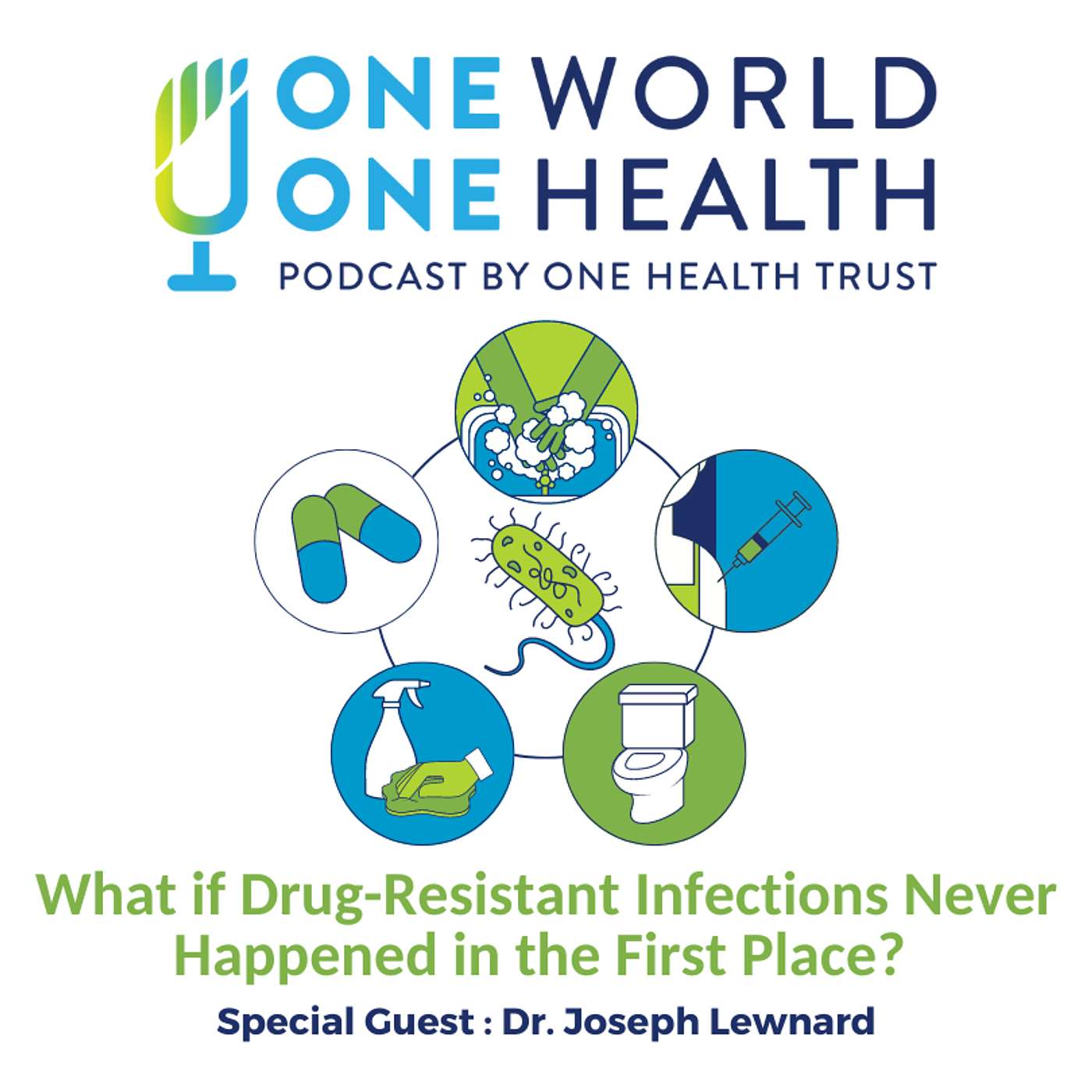
Send us Fan MailAn estimated 7.7 million people die from bacterial infections a year around the world. A growing number of these deaths are caused by bacteria that have developed antibiotic resistance – the ability to thrive in the face of antibiotics. This ability of germs to defy the effects of drugs is called antimicrobial resistance, or AMR. But why wait to treat these infections after they’ve happened? It’s far better to prevent them from happening in the first place. Dr. Joseph Lewnard, an associate professor of Epidemiology at the School of Public Health at the University of California Berkeley, is studying ways to prevent infections. Vaccines, better hygiene and sanitation, clean water, and proper and careful use of antibiotics and antivirals can all play a role. Many governments have done far too little to protect their citizens from infections, Lewnard says. “This has not necessarily been a shining success story,” he says in this episode of One World, One Health. He helped write one of a series of papers in the Lancet medical journal looking at the problem of drug-resistant superbugs. The numbers are significant. “Improving infection prevention and control in healthcare facilities including better hand hygiene and more regular cleaning and sterilization of equipment, could save up to 337,000 lives a year,” they write. They estimated that clean water and sanitation could save another quarter million lives each year.“Access to improved sanitation facilities (defined as toilets that are not shared with other households and are connected to piped sewer systems or septic tanks) reduces diarrhea incidence by 47 percent,” they point out. Listen as Dr. Lewnard explains some of the other findings to One World, One Health host Maggie Fox. Learn more about the struggle to control drug-resistant bacteria, viruses, and fungi in some of our other episodes. We’ve spoken with experts about how vaccines can help prevent the spread of drug-resistant germs, about tracking superbugs in sewage, and the surprising rise of drug-resistant fungi. Experts in drug design have talked to us about the search for new and better antibiotics and how these little organisms are winning an arms race against us. Filmmakers have told us about how storytelling can help people understand the threat while global health specialists explained that good stewardship can keep the antibiotics we have working as they should. We’ve even investigated superbug mysteries, like the case of the killer eyedrops.
Embed this episode
What this episode covers
Send us Fan Mail An estimated 7.7 million people die from bacterial infections a year around the world. A growing number of these deaths are caused by bacteria that have developed antibiotic resistance – the ability to thrive in the face of antibiotics. This ability of germs to defy the effects of drugs is called antimicrobial resistance, or AMR. But why wait to treat these infections after they’ve happened? It’s far better to prevent them from happening in the first place. Dr. Jo...
NOW PLAYING
What if Drug-Resistant Infections Never Happened in the First Place?
No transcript for this episode yet
Similar Episodes
No similar episodes found.
Similar Podcasts
No similar podcasts found.