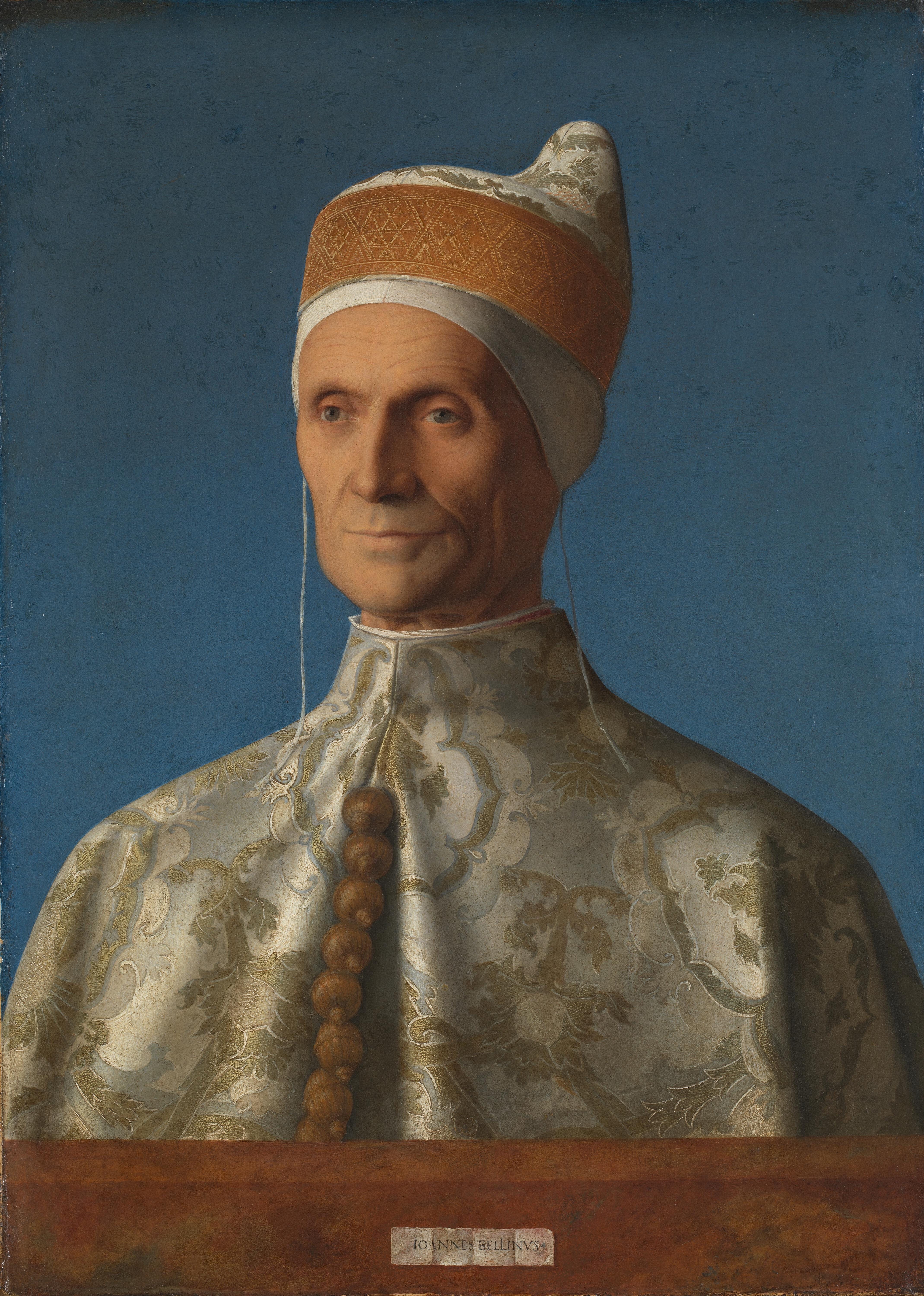
What is a DOGE?
from The Duke Report Podcast Hosted by The Duke Report™️
GPT-Summary of Video Introduction 🎭 Historical Origins of the Doge The concept of the Doge originates from the Venetian Republic, where the position served as a ceremonial figurehead for a highly centralized oligarchic system. True power resided in the hands of elite families who controlled councils such as the Senate and smaller groups like the Council of Ten. The Doge was selected to execute decisions and act as a symbolic leader, allowing the elite to maintain control while presenting a façade of republican governance. This model is identified as a template for modern centralized power structures. (00:11:05) Summary 🧑🚀 Elon Musk as the Modern Doge Elon Musk is identified as the contemporary embodiment of the Doge. His status as the richest man in the world and his influence in technology and industry make him a key figure in the global oligarchic framework. He is not an independent power broker but a figure chosen by the elite to advance their interests. Musk’s role as the Doge is reinforced through his appearances, such as sitting at the Resolute Desk and his participation in events like the Global Citizens Awards. These actions symbolize his alignment with the overarching goals of centralized authority. (00:12:35; 00:19:01) 🏛️ Symbols of Control: The Phrygian Cap and Red Hats Symbols like the Phrygian Cap 🔈 and the Doge’s hat are highlighted as tools of oligarchic control. The Phrygian Cap, often associated with liberty, is redefined within this framework as a symbol of constrained freedom granted by elites. These symbols appear in national seals of countries such as Argentina, El Salvador, and Cuba, as well as in U.S. institutions like the Army and the Senate. This continuity of imagery underscores the enduring influence of the oligarchy. (00:14:53; 00:16:02) Thanks to my readers' generosity, all my articles are free to access. Independent journalism, however, requires time and investment. If you found value in this article or any others, please consider sharing or even becoming a paid subscriber, who benefits by joining the conversation in the comments. I want you to know that your support is always gratefully received and will never be forgotten. Please buy me a coffee or as many as you wish. ⚖️ Liberty vs. Freedom The oligarchic interpretation of liberty differs fundamentally from the concept of absolute freedom. Liberty is described as freedom within limits, granted and controlled by the ruling elite. This definition serves to maintain the appearance of autonomy while ensuring that ultimate authority remains unchallenged. (00:15:00) 📖 Historical Parallels: The Bankers’ Plot and the DOGE The 1933 Bankers’ Plot, a conspiracy to overthrow President Roosevelt, involved plans to create a Secretary of General Affairs, a cabinet position intended to centralize power. This historical event mirrors the modern proposal of the Department of Government Efficiency (DOGE), which aims to streamline governance while concentrating authority under elite control. Both efforts reflect a continuous strategy of diminishing democratic oversight in favor of oligarchic dominance. (00:24:02; 00:26:33) 🌍 Generational Wealth and Oligarchic Continuity Generational wealth is identified as a cornerstone of oligarchic power. Analysis from The Power Elite reveals that the richest families in the United States have maintained their dominance for centuries. Figures like John D. Rockefeller and Andrew Carnegie exemplify how capital transitions from industry to finance and philanthropy, ensuring control remains within elite circles. (01:00:03; 00:55:54) 🛡️ Modern Governance and Technocracy Technocracy is described as the ultimate goal of the oligarchy, leveraging technology to enforce scientific control over human activity. This governance model transcends ideological divides, such as capitalism and communism, and represents a systematic approach to totalitarian regulation. It aligns with the elite’s long-term strategy to maintain dominance through technological means. (00:55:02) 🎙️ The Palmerston Zoo Framework The Palmerston Zoo podcast series provides a historical lens for understanding the evolution of oligarchic governance. It traces the trajectory from Venice to modern systems, illustrating the continuity of centralized power structures. The series situates figures like Elon Musk within this broader historical context, presenting him as a contemporary Doge. (00:04:39) 📅 Events and Influence of the Global Elite Elon Musk’s participation in events like the Global Citizens Awards alongside Klaus Schwab and Albert Bourla reflects the interconnectedness of modern oligarchic representatives. Such gatherings exemplify the coordination and shared agendas of global elites. (00:19:01) 🛠️ The Role of Symbols and Structures in Modern Governance The consistent use of symbols like the Doge hat and the Phrygian Cap across various nations and institutions highlights the pervasive influence of oligarchic power. These symbols serve to reinforce the authority of the elite while masking their control behind the language of liberty and democracy. (00:16:53; 00:14:53) FAQ Q: What is the Doge, and what does it represent?The Doge is the ceremonial figurehead of an oligarchic system where true power is concentrated among a select group of elites. Historically, this role existed in Venice, where the Doge executed decisions made by the oligarchy. In the modern context, the Doge symbolizes a frontman for centralized power, with Elon Musk exemplified as the current Doge due to his wealth and influence. (00:07:51) Q: How does Elon Musk embody the role of the Doge?Elon Musk serves as a figurehead chosen by the global elite to represent their interests. His status as the richest man in the world and his involvement in various industries highlight his position as a symbolic leader rather than an independent power broker. He operates under the directives of those who anointed him. (00:12:35) Q: What is the Department of Government Efficiency (DOGE)?The Department of Government Efficiency is presented as a modern construct aimed at centralizing and streamlining governmental power. It parallels historical efforts such as the proposed Secretary of General Affairs during the 1933 Bankers’ Plot, where similar strategies were used to bypass democratic processes and establish authoritarian control. (00:26:33) Q: What historical precedent supports the Doge’s concept?The Venetian Republic provides the model for the Doge’s role. Power was concentrated among a few elite families, with the Doge serving as a symbolic executor of their decisions. This structure is mirrored today, with modern figureheads acting on behalf of the oligarchy. (00:11:05) Q: How is liberty defined under the Doge system?Liberty is defined as constrained freedom granted by those in power. It is not equivalent to absolute freedom but rather the ability to act within limits set by the oligarchs. This concept contrasts sharply with the perception of unrestricted individual rights. (00:15:00) Q: How does the Phrygian Cap relate to the Doge and global symbolism?The Phrygian Cap, historically a symbol of liberty, is frequently used in revolutionary and governmental imagery. It represents controlled freedom under oligarchic rule, signifying the limits placed on societies by elite powers. This cap appears in seals and symbols across nations, including Argentina, El Salvador, Cuba, and the United States. (00:14:53) Q: What parallels exist between the Bankers’ Plot and modern efforts like the DOGE?The 1933 Bankers’ Plot aimed to create a new cabinet role, the Secretary of General Affairs, to centralize power and diminish presidential authority. This historical attempt aligns with contemporary struct… This is a public episode. If you'd like to discuss this with other subscribers or get access to bonus episodes, visit thedukereport.substack.com/subscribe
Embed this episode
No transcript yet.