
EPISODE · Jan 12, 2021 · 2 MIN
What is the OSI Reference Model?
from PC Networking · host PC Networking
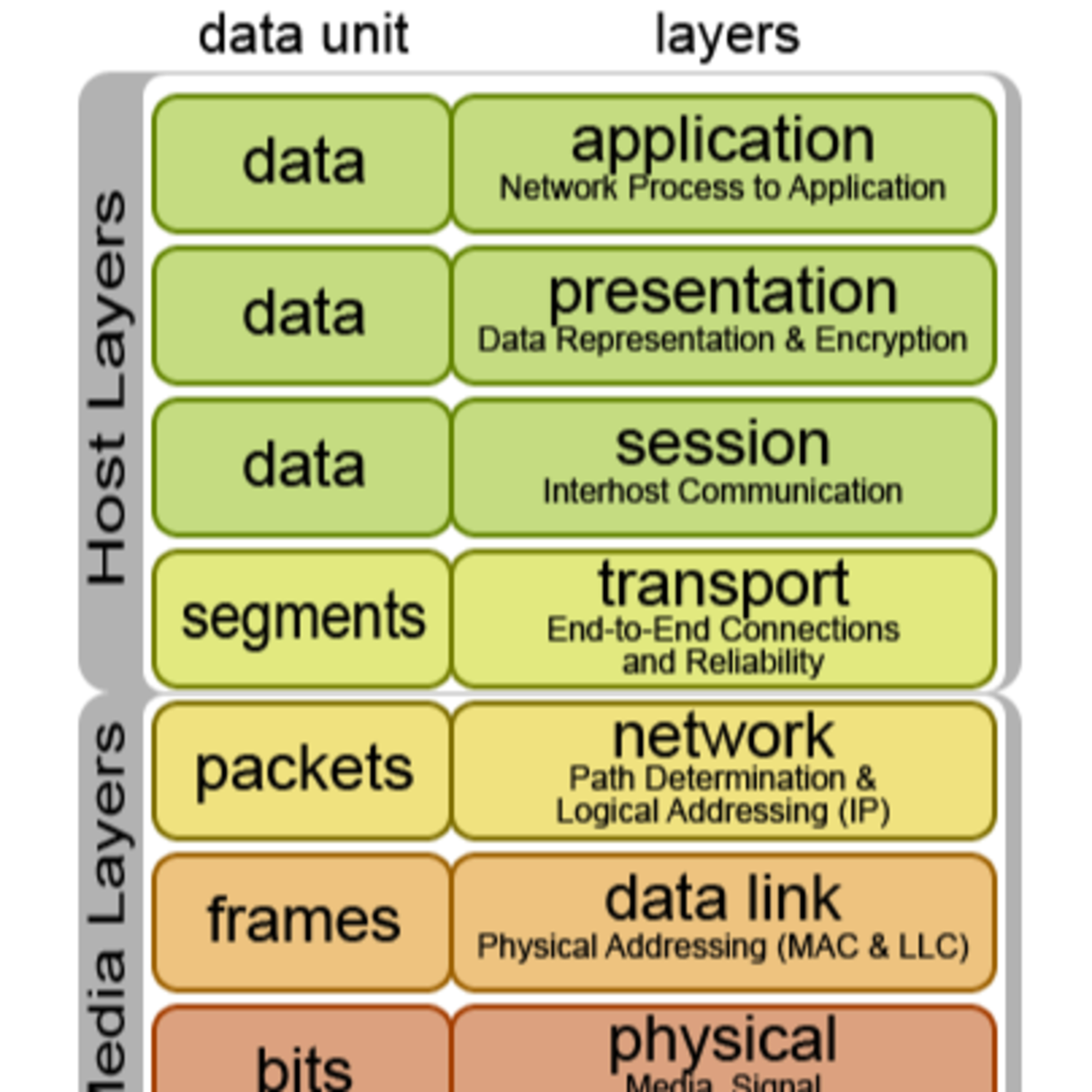
What is the OSI Reference Model? The OSI model (Open System Interconnection) defines a computer network framework for implementing protocols at seven layers. A protocol in networking terms is a form of negotiation and rule between two networking organizations. The purpose is to define how communication between the two computers will be. The OSI is a conceptual model that characterizes and standardizes the communication functions of a telecommunications or information processing system, regardless of its underlying internal structure and technology, and its purpose is the interoperability of various communication systems with standard protocols. In simpler words, the OSI model is a tool used by IT professionals to actually model or monitor the actual flow of data transfer across networks. So basically the OSI model is a logical representation of how network systems should send data to each other. The OSI Model divides this data communication procedure into different components. Its purpose is to guide vendors and developers so that the digital communication products and software programs they create can work together and facilitate clear comparisons between communication tools. Most vendors involved in telecommunications attempt to describe their products and services in relation to the OSI standard. Moreover, it is very important for an IT professional to have a clear idea of the OSI Model. This is because they can narrow down and find out what part of the problem is using OSI Layers in case of certain network issues. That's why it's very useful to have an OSI Layered approach to troubleshooting networking issues. Advantages of the OSI Model It creates a common platform for software developers and hardware manufacturers that encourages the creation of network products that can communicate with each other over the network. It helps network administrators by dividing the big data exchange process into smaller segments. Because the layers are independent, it prevents changes in one layer from affecting other layers. Standardization of network components allows for multiple vendor development. Very well configures functions specific to each layer. It reduces complexity and speeds up evolution. Layers of the OSI Model Physical Layer Data Link Network Layer Transport Layer Session Layer Presentation Layer Application Layer More Podcasts The Domain Name System in Google Podcast The DHCP Protocol in Google Podcast The TCP Protocol in iHeart Podcast The UDP Protocol in iHeart Podcast The Internet Port in Listennotes Podcast
Embed this episode
NOW PLAYING
What is the OSI Reference Model?
No transcript for this episode yet
Similar Episodes
No similar episodes found.
Similar Podcasts
No similar podcasts found.