
EPISODE · Nov 6, 2025 · 31 MIN
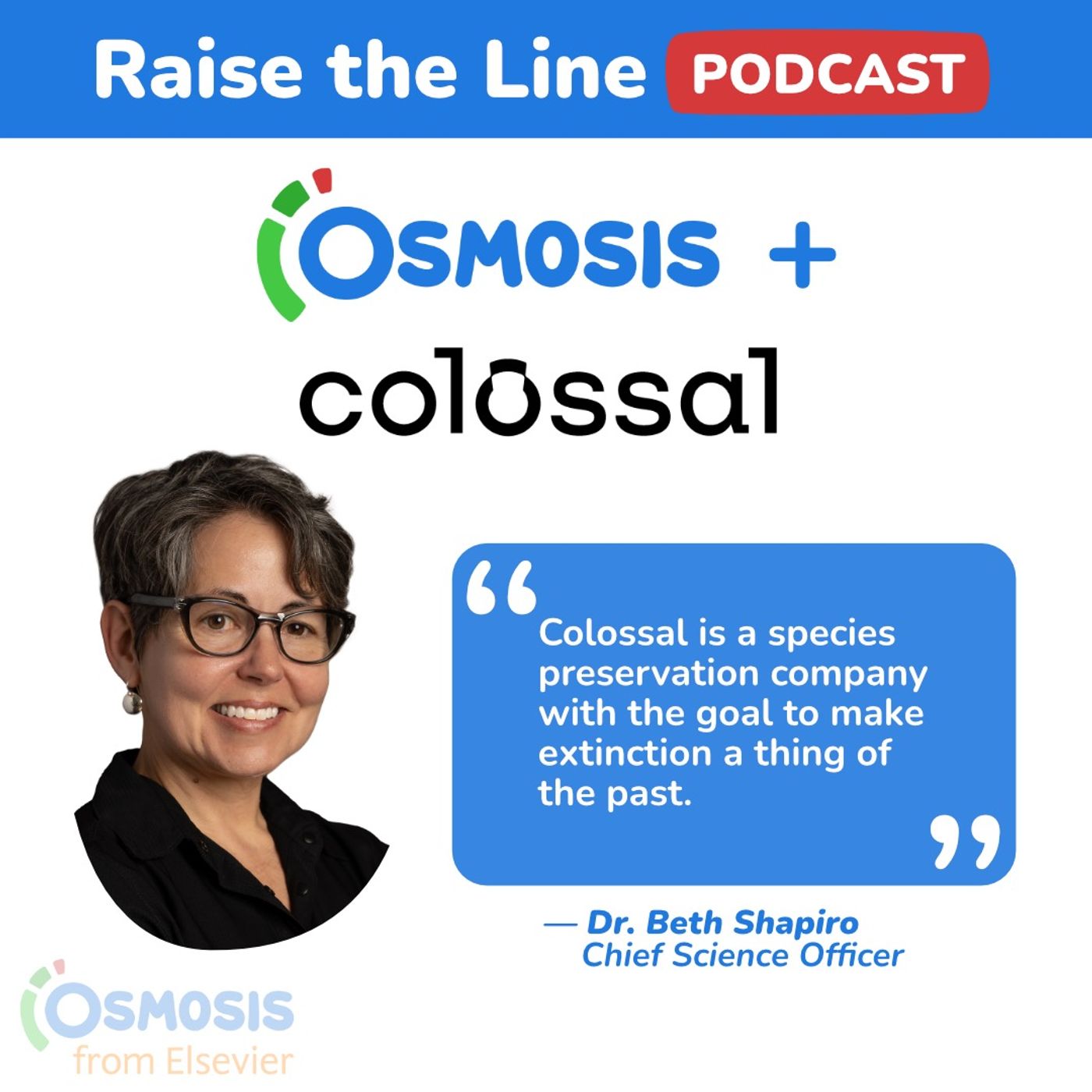
What Restoring Extinct Species Means for Modern Medicine: Dr. Beth Shapiro, Chief Science Officer at Colossal Biosciences
from Raise the Line · host Dr. Beth Shapiro, Michael Carrese
Could studying the DNA of extinct animals – or even bringing them back to life – help us save today’s endangered species and inform modern medicine? That may sound like the premise for a Hollywood movie, but it’s work that our Raise the Line guest, Dr. Beth Shapiro, is actually engaged in as Chief Science Officer at Colossal Biosciences, which describes itself as the world’s first and only de-extinction company. “It's not just about learning about the past. It's learning about the past so we have more validated scientific information that we can use to predict what we can do to better influence the future,” she tells host Michael Carrese. An internationally-renowned evolutionary molecular biologist and paleogeneticist, Dr. Shapiro is a pioneer in ancient DNA research and has successfully sequenced genomes, like that of the dodo, to study evolution and the impact on humans. At Colossal Biosciences, she leads teams working to bring back traits of extinct species such as the mammoth, not for spectacle, but to restore ecological balance. “When species become extinct, you lose really fundamental interactions between species that existed in that ecosystem. By taking a species that's alive today and editing its DNA so that it resembles those extinct species, we can functionally replace those missing ecological interactions.” Tune into this utterly fascinating conversation to hear about what Jurassic Park got wrong, the positive ecological impact of reintroducing giant tortoises to Mauritius, and the ethics of using gene editing and other biotechnologies. Mentioned in this episode:Colossal Biosciences If you like this podcast, please share it on your social channels. You can also subscribe to the series and check out all of our episodes at www.osmosis.org/podcast
Embed this episode
What this episode covers
Could studying the DNA of extinct animals – or even bringing them back to life – help us save today’s endangered species and inform modern medicine? That may sound like the premise for a Hollywood movie, but it’s work that our Raise the Line guest, Dr. Beth Shapiro, is actually engaged in as Chief Science Officer at Colossal Biosciences. Join host Michael Carrese for a look at this utterly fascinating scientific field.
NOW PLAYING
What Restoring Extinct Species Means for Modern Medicine: Dr. Beth Shapiro, Chief Science Officer at Colossal Biosciences
No transcript for this episode yet
Similar Episodes
Jan 2, 2025 ·40m
Similar Podcasts
No similar podcasts found.