What to consider when spreading organic fertilisers at this time of year episode artwork

EPISODE · Jan 21, 2025 · 31 MIN

What to consider when spreading organic fertilisers at this time of year

from The Dairy Edge · host Teagasc

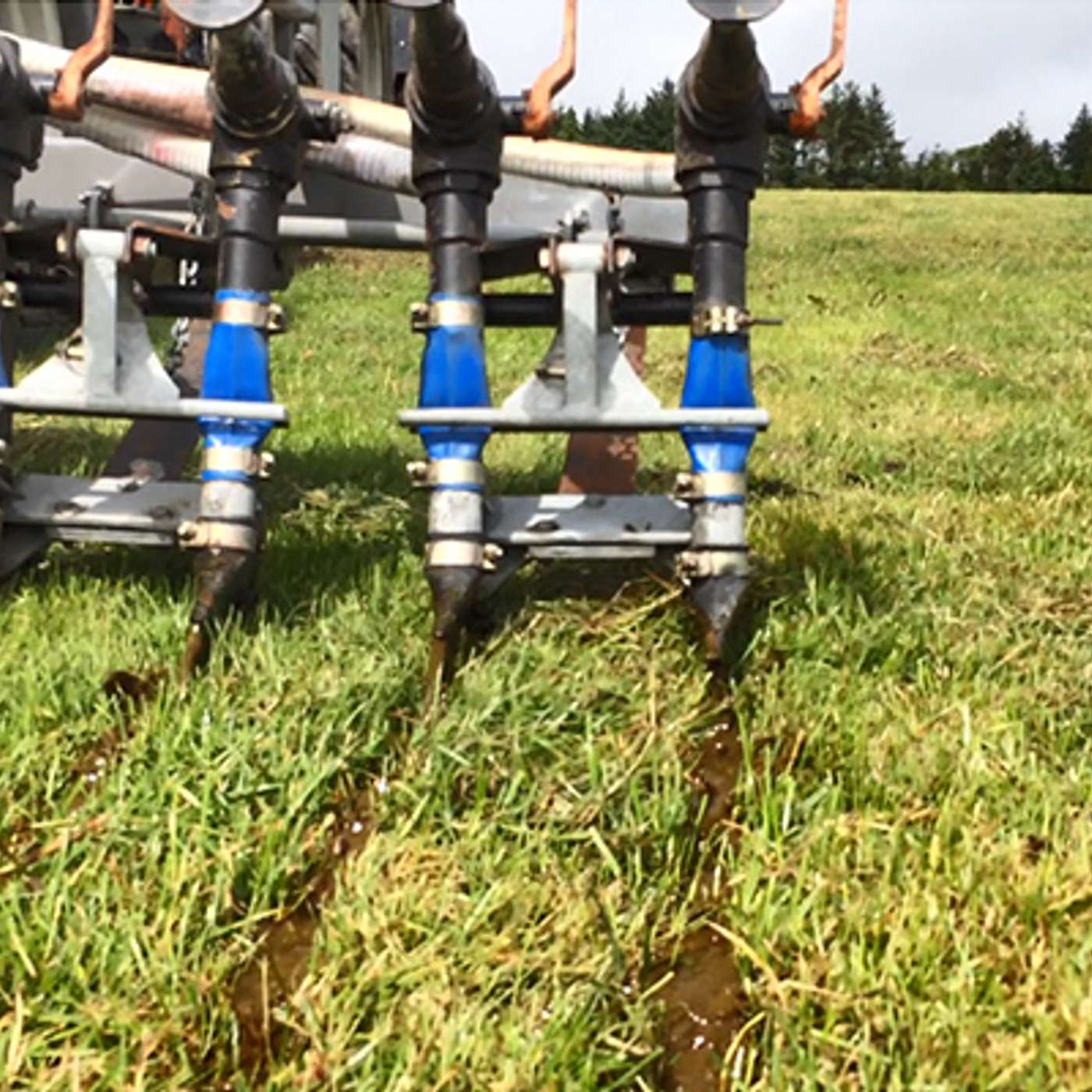
Cathal Somers, Water Quality Specialist with Teagasc, joins Stuart Childs on this week’s Dairy Edge to discuss spreading organic fertilisers. Cathal gives a summary of the factors that need to be considered before spreading slurry or manure even though the closed period has ended. Cathal sympathises with the challenges farmers face trying to make this decision as it can be a challenge.  In an ideal world, he suggests that farmers should try to hold off spreading slurry until mid-February as day length increases, growth increases to use the nutrient applied, plus ground conditions might be better – although he does acknowledge that we can’t say if that will be the case in any given year.  If you are going to spread, you need to watch the rate, so 1500-2000 gals/acre, and target it to the right fields, which would, in most cases would be silage fields where the greatest demand for P and K will be and then to adhere to the 10m buffer zones for the two weeks after the closed period has ended.  Cathal also says that the 1.5m distance for fencing can allow for a vegetative buffer to grow inside the wire that can act as a second line of defence in the event of heavy rainfall washing nutrients towards a dyke or a drain, so the combination of this with the correct buffer can help prevent nutrients getting into waterways. He also suggests that if farmers are finding themselves under pressure to spread currently, they think about where the excess of slurry is coming from. Is there water making its way into tanks that shouldn’t? If yes, can it be stopped or is additional capacity needed and should consideration be given to this?For more episodes from the Dairy Edge podcast go to the show page at:https://www.teagasc.ie/animals/dairy/the-dairy-edge-podcast/ The Dairy Edge is a co-production with LastCastMedia.com

Cathal Somers, Water Quality Specialist with Teagasc, joins Stuart Childs on this week’s Dairy Edge to discuss spreading organic fertilisers. Cathal gives a summary of the factors that need to be considered before spreading slurry or manure even though the closed period has ended. Cathal sympathises with the challenges farmers face trying to make this decision as it can be a challenge.  In an ideal world, he suggests that farmers should try to hold off spreading slurry until mid-February as day length increases, growth increases to use the nutrient applied, plus ground conditions might be better – although he does acknowledge that we can’t say if that will be the case in any given year.  If you are going to spread, you need to watch the rate, so 1500-2000 gals/acre, and target it to the right fields, which would, in most cases would be silage fields where the greatest demand for P and K will be and then to adhere to the 10m buffer zones for the two weeks after the closed period has ended.  Cathal also says that the 1.5m distance for fencing can allow for a vegetative buffer to grow inside the wire that can act as a second line of defence in the event of heavy rainfall washing nutrients towards a dyke or a drain, so the combination of this with the correct buffer can help prevent nutrients getting into waterways. He also suggests that if farmers are finding themselves under pressure to spread currently, they think about where the excess of slurry is coming from. Is there water making its way into tanks that shouldn’t? If yes, can it be stopped or is additional capacity needed and should consideration be given to this?For more episodes from the Dairy Edge podcast go to the show page at:https://www.teagasc.ie/animals/dairy/the-dairy-edge-podcast/ The Dairy Edge is a co-production with LastCastMedia.com

NOW PLAYING

What to consider when spreading organic fertilisers at this time of year

0:00 31:19

No transcript for this episode yet

We transcribe on demand. Request one and we'll notify you when it's ready — usually under 10 minutes.

Frequently Asked Questions

How long is this episode of The Dairy Edge?

This episode is 31 minutes long.

When was this The Dairy Edge episode published?

This episode was published on January 21, 2025.

What is this episode about?

Cathal Somers, Water Quality Specialist with Teagasc, joins Stuart Childs on this week’s Dairy Edge to discuss spreading organic fertilisers. Cathal gives a summary of the factors that need to be considered before spreading slurry or manure even...

Can I download this The Dairy Edge episode?

Yes, you can download this episode by clicking the download button on the episode player, or subscribe to the podcast in your preferred podcast app for automatic downloads.
URL copied to clipboard!