
EPISODE · Mar 19, 2026 · 54 MIN
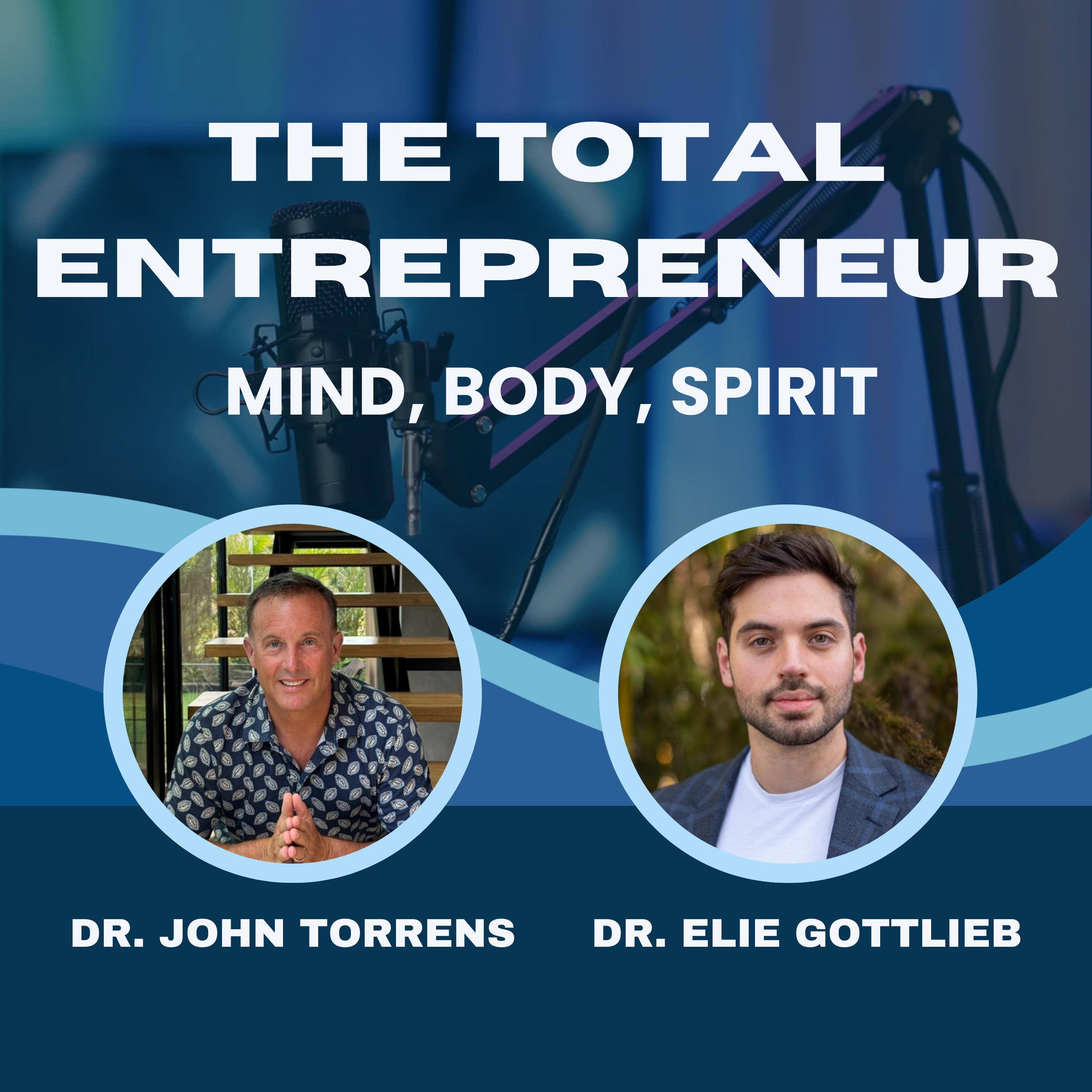
What Your Sleep Data Says About Your Brain and Body With Dr. Elie Gottlieb
from The Total Entrepreneur: Mind, Body, Spirit · host John M Torrens, Ph.D.
What if one night of sleep data could predict your risk for over 100 diseases, and help you change your health trajectory before symptoms even appear?In this episode of Total Entrepreneur: Mind, Body, Spirit, John welcomes back sleep scientist Dr. Elie Gottlieb for a deep dive into the rapidly evolving world of sleep, AI, and personalized health. From groundbreaking research models trained on hundreds of thousands of hours of sleep data to the rise of wearable technology and digital health agents, this conversation explores how sleep is becoming one of the most powerful predictors of long-term health.Dr. Gottlieb breaks down how AI is shifting from simply tracking sleep to predicting disease risk and coaching behavior change in real time, while also addressing the psychological side of sleep tracking, and why obsessing over your sleep data might actually make it worse. He shares practical strategies for improving sleep during high-stress periods, explains the truth about chronotypes, and reveals why consistency, not perfection, is the key to better sleep and performance.Whether you're an entrepreneur, athlete, or high performer, this episode will change how you think about sleep, not as a passive activity, but as a daily lever for performance, longevity, and health.Key Points DiscussedThe problem with snoozing alarms: Why repeatedly snoozing your alarm may create unnecessary stress responses and disrupt your brain.AI’s role in sleep science: How AI is evolving from tracking sleep to predicting disease risk and enabling real-time coaching.Predicting disease from sleep data: How a Stanford model trained on 600,000+ hours of sleep data can predict risk for over 130 health conditions.The rise of personal health agents: How AI-powered systems are combining data science, coaching, and behavioral science to improve sleep and health.Wearables and the future of health screening: Why devices like Oura, Fitbit, and Apple Watch are becoming tools for early disease detection.What is “orthosomnia”? How obsessing over sleep data can actually harm your sleep, and who is most at risk.The placebo and “nocebo” effect of sleep data: Why what your device tells you about your sleep can influence how you feel and perform the next day.Should you trust your sleep tracker? Understanding the limitations of wearable data and how to use it effectively without becoming dependent on it.The future of personalized sleep optimization: How AI and “digital twins” could create individualized sleep protocols tailored to your biology.Sleep during high-stress periods: Why poor sleep during stressful times is normal, and how to manage it without making it worse.The 3 non-negotiables for better sleep: Wake time consistency, morning light exposure, and a pre-sleep wind-down routine.The truth about alarms and snoozing: What we know (and don’t know) about the impact of alarms on cortisol and waking performance.Should you delay your morning coffee? Why the science doesn’t strongly support delaying caffeine for cortisol optimization.Chronotypes and sleep timing: Why going to bed earlier, even against your natural preference, may improve long-term health outcomes.Why consistency beats perfection: How regular sleep schedules may matter more than total sleep duration for overall health.Connect with Dr. Elie Gottlieb:Website - https://eliegottlieb.com/LinkedIn - https://www.linkedin.com/in/eliewgottlieb/Connect with Dr. John M. Torrens:LinkedIn - https://www.linkedin.com/in/johnmtorrens/Instagram - https://www.instagram.com/johnmtorrens/TikTok - https://www.tiktok.com/@drjohntorrensWebsite - Podcast.JohnMTorrens.com
Embed this episode
Ready to play
What Your Sleep Data Says About Your Brain and Body With Dr. Elie Gottlieb
No transcript for this episode yet
Similar Episodes
No similar episodes found.
Similar Podcasts
No similar podcasts found.