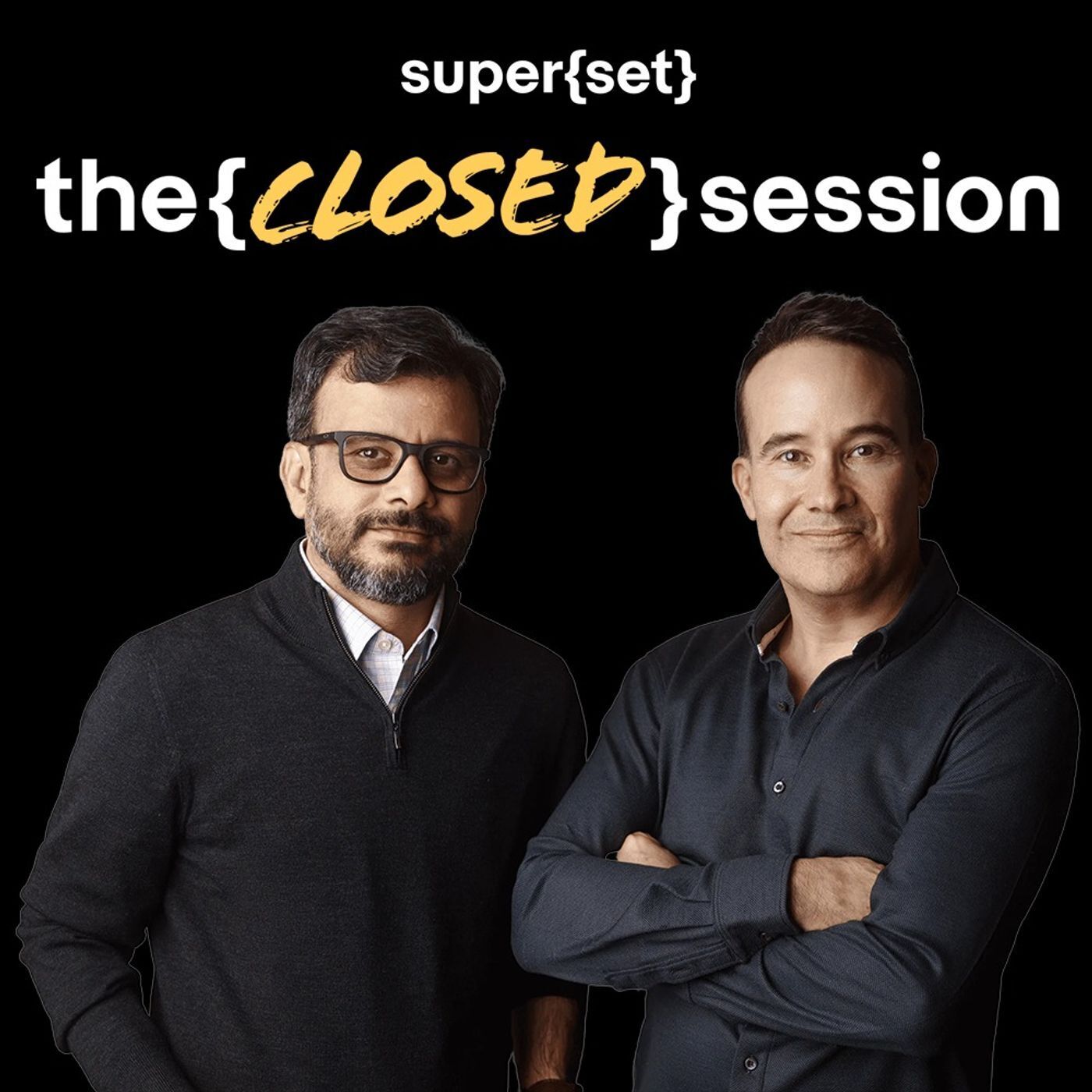
When and Why to Bring on VCs episode artwork

EPISODE · Nov 16, 2022 · 36 MIN

When and Why to Bring on VCs

from The {Closed} Session

We have a venture fund at super{set} but aren’t Venture Capitalists. What’s the difference? We’re operators, while the VCs are helpers. The best VCs come in asking the catalytic questions that encapsulate risks and delineate opportunities, but they aren't hands-on with the company. They know when they are needed and when they are not.In the over-caffeinated recent years, seed investments have started to look like Series A. And it reminds us a lot of Tom and Vivek’s first foray into entrepreneurship - Rapt, which began in 1999. Rapt’s Series B was much larger than Krux’s Series B over a decade later, yet Krux had the more robust exit. It’s not that we are proponents of bootstrapping - taking on outside investors for your company is necessary to move at the speed of business today - it’s that the right sized check at the right time is what matters. That’s why part of our model at super{set} is giving seed-stage co-founders the space to be disciplined about product, product, product in the earliest stages. We create the soil conditions and the capital so that great entrepreneurs can focus on company-building, not pitching outside investors.Learn more about how we at super{set} found and build data-driven companies at superset.com.See Privacy Policy at https://art19.com/privacy and California Privacy Notice at https://art19.com/privacy#do-not-sell-my-info.

Episode metadata supplied by the publisher feed · Published Nov 16, 2022

We have a venture fund at super{set} but aren’t Venture Capitalists. What’s the difference? We’re operators, while the VCs are helpers. The best VCs come in asking the catalytic questions that encapsulate risks and delineate opportunities, but they aren't hands-on with the company. They know when they are needed and when they are not.In the over-caffeinated recent years, seed investments have started to look like Series A. And it reminds us a lot of Tom and Vivek’s first foray into entrepreneurship - Rapt, which began in 1999. Rapt’s Series B was much larger than Krux’s Series B over a decade later, yet Krux had the more robust exit. It’s not that we are proponents of bootstrapping - taking on outside investors for your company is necessary to move at the speed of business today - it’s that the right sized check at the right time is what matters. That’s why part of our model at super{set} is giving seed-stage co-founders the space to be disciplined about product, product, product in the earliest stages. We create the soil conditions and the capital so that great entrepreneurs can focus on company-building, not pitching outside investors.Learn more about how we at super{set} found and build data-driven companies at superset.com. See Privacy Policy at https://art19.com/privacy and California Privacy Notice at https://art19.com/privacy#do-not-sell-my-info.

PodParley-generated summary based on available episode metadata and transcript content.

NOW PLAYING

When and Why to Bring on VCs

0:00 36:50

No transcript for this episode yet

We transcribe on demand. Request one and we'll notify you when it's ready — usually under 10 minutes.

Frequently Asked Questions

How long is this episode of The {Closed} Session?

This episode is 36 minutes long.

When was this The {Closed} Session episode published?

This episode was published on November 16, 2022.

What is this episode about?

We have a venture fund at super{set} but aren’t Venture Capitalists. What’s the difference? We’re operators, while the VCs are helpers. The best VCs come in asking the catalytic questions that encapsulate risks and delineate opportunities, but they...

Can I download this The {Closed} Session episode?

Yes, you can download this episode by clicking the download button on the episode player, or subscribe to the podcast in your preferred podcast app for automatic downloads.
URL copied to clipboard!