
EPISODE · Apr 16, 2026 · 26 MIN
When better sleep becomes 'crisis work'
from Berkeley Voices
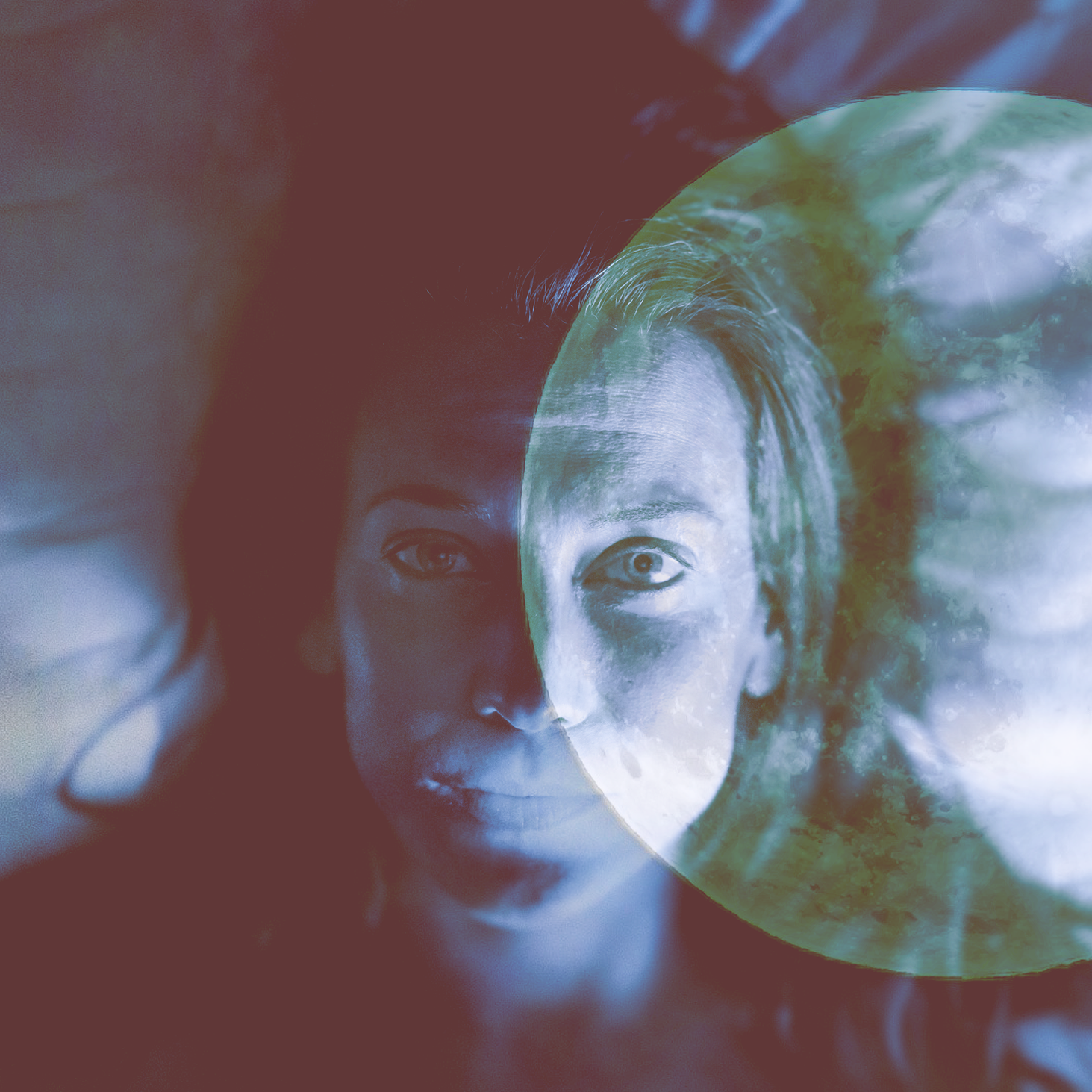
We all know sleep is important. But for those facing mental health challenges, research from UC Berkeley shows how good sleep is also foundational for treatment and recovery. Early results from a long‑term study at Berkeley’s Golden Bear Sleep and Mood Research Clinic show that sleep is directly linked with our mental health and, when used alongside standard clinical treatments, can dramatically improve patients’ outcomes. “The finding keeps replicating: If you treat sleep, you’ll improve mental health symptoms,” says Allison Harvey, a Berkeley professor of psychology and director of the clinic who led the study. In 2017, Harvey and Daniel Buysse, a professor of psychiatry and sleep medicine expert at the University of Pittsburgh, published a book detailing a sleep tool they developed called the Transdiagnostic Sleep and Circadian Intervention, or TSC. It includes a range of do-it-yourself sleep treatments, from regularizing wake-up times to detaching from digital devices before bed, that can help anyone get better rest. Mental health practitioners in county clinics across California are now using it to treat clients, with remarkable results: Not only has the TSC helped to decrease symptoms of psychosis, nearly two-thirds of people reported drinking less alcohol, and suicide-ideation severity was reduced for almost half of the clients. Emma Agnew, the clinic’s director for clinical implementation and partnerships at the time, has seen this impact firsthand. She says the data confirm a vital shift in how we approach mental health care: “Sleep treatment is literally something that is life-saving for people.” Listen to the episode and read the transcript on UC Berkeley News (news.berkeley.edu/podcasts/berkeley-voices). Music by Blue Dot Sessions. Photo via Unsplash; design by Neil Freese/UC Berkeley. Resources: Allison Harvey's UC Berkeley faculty profile page Emma Agnew's website Treating Sleep Problems: A Transdiagnostic Approach (2017) by Allison Harvey and Daniel Buysse Research on the Transdiagnostic Sleep and Circadian Intervention The Berkeley research team's recent webinars on sleep science Hosted on Acast. See acast.com/privacy for more information.
Embed this episode
Ready to play
When better sleep becomes 'crisis work'
No transcript for this episode yet