
EPISODE · Jan 13, 2026 · 8 MIN
When the Audience Takes the Stage
from KLASSIKOM=Innovations in classical music · host Rudolph Tang
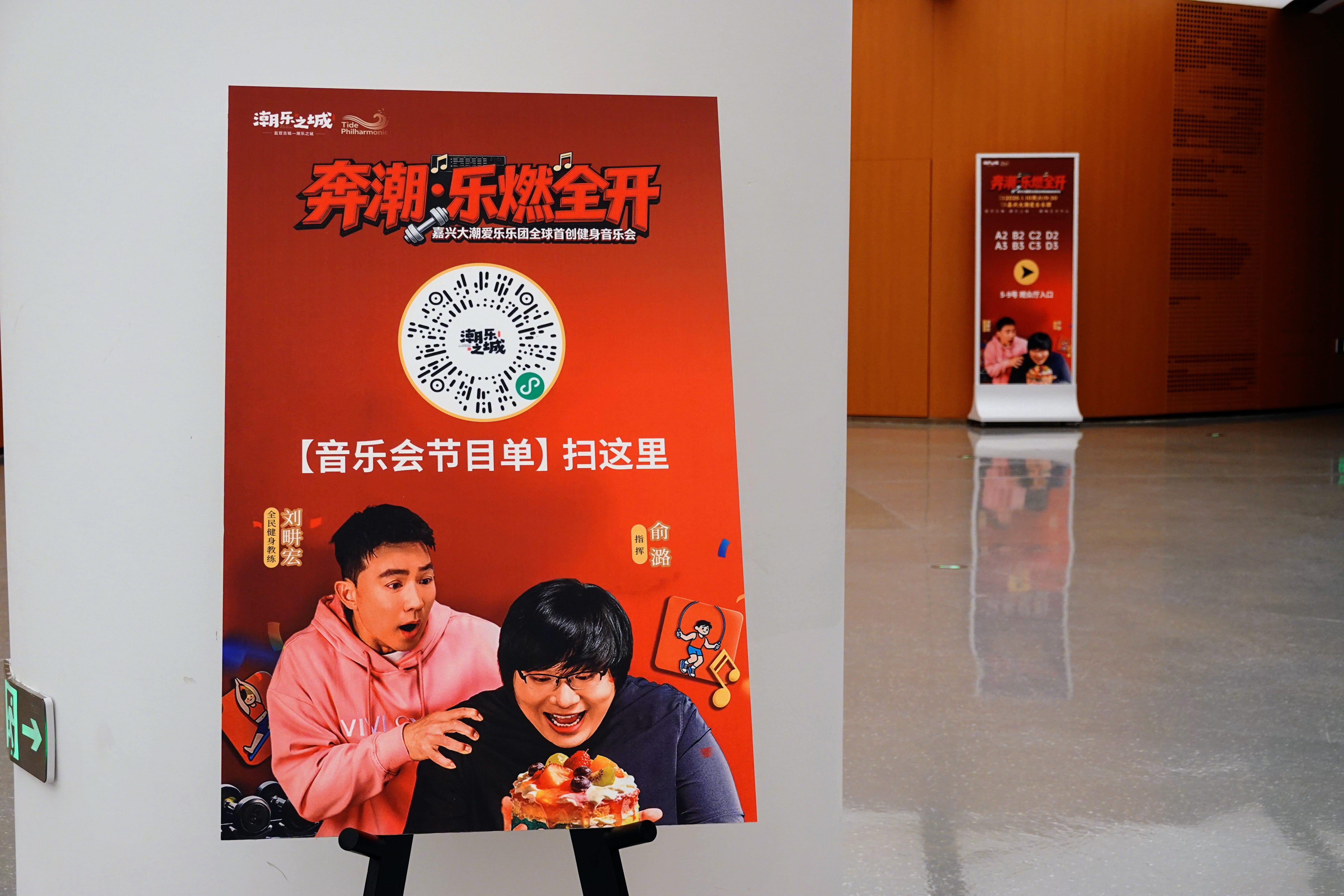
This is a Chinese language programme without subtitles.On a winter evening in Zhejiang province, I found myself in Yanguan, a historic town in Haining, attending a concert that did not behave like a concert at all.Normally, the rules of classical music are clear. Audiences sit below the stage, listen in silence, applaud at the appropriate moment, watch the performers take their bows, and then disperse. Participation is limited, and any deviation, a shout before the final chord has settled, an ill-timed comment, is usually treated as a breach of etiquette. Yet even such disruptions reveal something else: a desire to be involved.I have long been interested in how classical music might offer audiences a stronger sense of engagement without damaging the listening experience. On 10 January, the Tide Philharmonic Orchestra, under the baton of Yu Lu, offered an unexpected answer at the Tides and Music Resort Arts Centre.This was a “Workout Symphony Concert”. On stage were not only the orchestra but also three professional fitness coaches including Taiwanese star coach and entertainer Will Liu. In the hall were more than 2,500 audience members, many of whom did not remain seated for long. As the workout playlist of live music by Rossini, Offenbach, Chuck Rio, John Williams, Wang Xiling and Jay Chou unfolded, they stood up, raised their arms, worked their legs and followed the instructors through a carefully paced workout. This was not dance, but exercise: burning calories, engaging muscles, and moving in time with a live symphonic performance.What struck me was not the novelty itself, but the degree to which participation was taken seriously. The audience was not invited to clap along or sing a refrain; they were asked to commit physically. Their involvement was total. In that sense, the concert pushed the idea of audience engagement to its logical extreme.I have always spoken of my frustration with the fixed roles that define most classical concerts. Listeners may “vote with their tickets”, but they have little influence over what is played or how it is presented. In Yanguan, that imbalance was deliberately challenged. During the encore, Yu encouraged the audience to take photos and videos, and to share them freely on social media, a gesture that runs counter to the strict no-recording policies of most concert halls.He went further, describing the Tide Philharmonic Orchestra as the first to openly invite audiences to record performances as mementos. The goal, he said, was simple: to bring more people into the concert hall, and at the same time to connect music with health and everyday life.The idea is not without precedent. I was reminded of a multimedia concert by the China National Traditional Orchestra at the Shanghai Grand Theatre, where the ensemble’s then director Xi Qiang actively encouraged filming and online sharing as a way of extending the reach of traditional music. In Yanguan, the same logic applied, but with a physical dimension added. Participation was not just visual or digital; it was embodied.By the end of the evening, it became clear that this was not merely a crossover event or a clever marketing concept. It was an attempt to rethink who a concert is for, and what it asks of its audience. Instead of passive listeners, the crowd became active participants, shaping the atmosphere of the performance with their movement and energy.Classical music often speaks of transformation, innovation and vitality. In Yanguan, at least for one night, those ideas were taken quite literally. The audience did not just listen to the music. They moved with it, sweated with it, and, in a sense, claimed it as their own. This is a public episode. If you would like to discuss this with other subscribers or get access to bonus episodes, visit klassikom.substack.com
Embed this episode
Ready to play
When the Audience Takes the Stage
No transcript for this episode yet
Similar Episodes
No similar episodes found.
Similar Podcasts
No similar podcasts found.