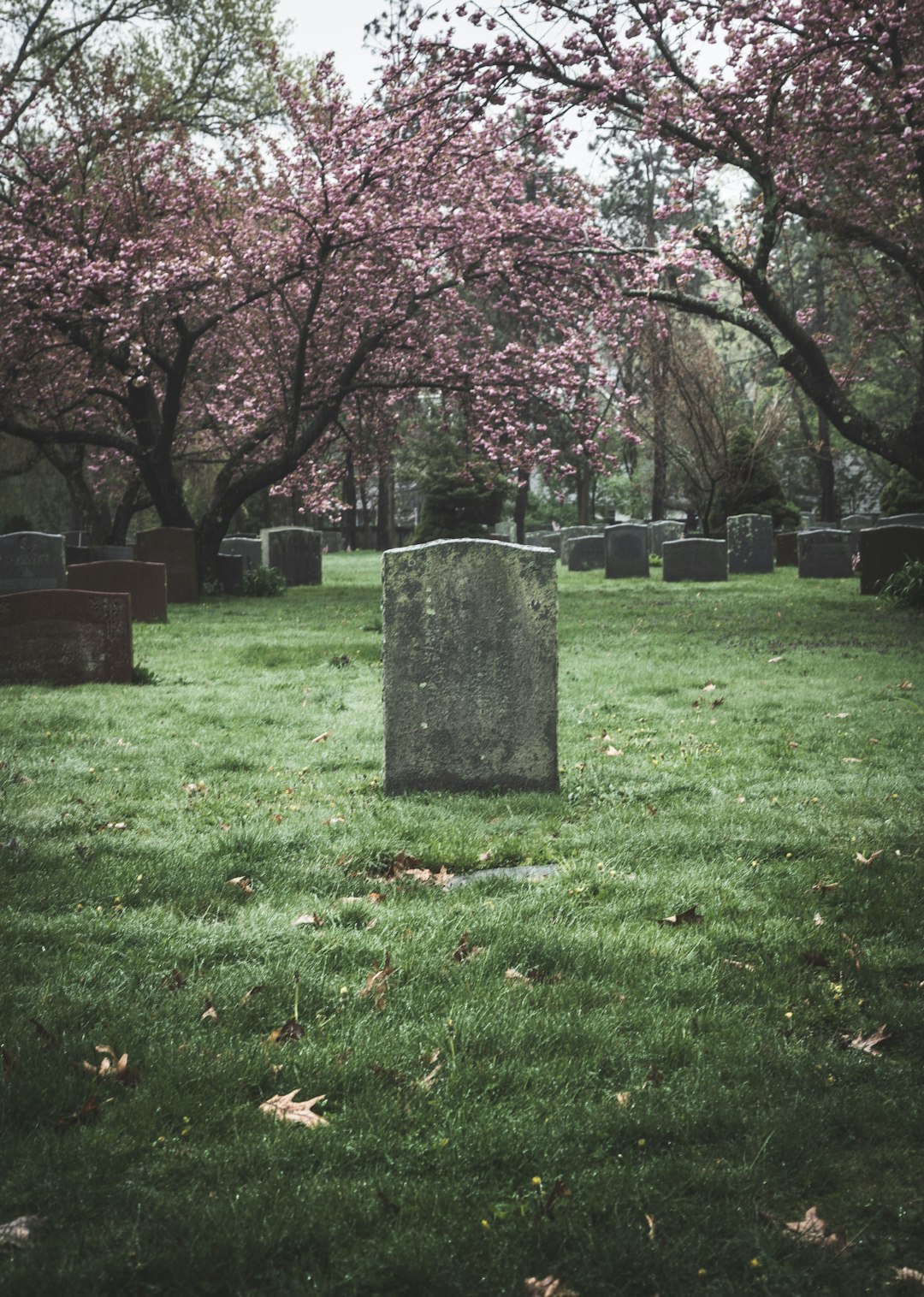
When Your Curtain Drops
from Remsen Bible Fellowship Sermons Hosted by Will Dole
Transcription, summary, and outline generated by AI—please comment if you notice any errors. Sermon Summary: Abraham's Life and Death in Genesis 25 This sermon analyzes Genesis 25:1-11, which describes the closing chapter of Abraham's life. The pastor explores the significance of Abraham's death, his legacy, and the spiritual lessons we can learn from how he approached the end of his life. Main Outline * Introduction * Final sermon in Genesis series before moving to Jesus' sayings from the cross * Genesis 25 closes Abraham's chapter in Scripture * The importance of contemplating our own death (Ecclesiastes 7:2-4) * Abraham's God is a Covenant-Keeping God (verses 1-6) * Abraham takes Keturah as wife after Sarah's death * Has six more sons in his old age (fulfilling God's promise to make him "father of many nations") * Abraham gives all his possessions to Isaac, the son of promise * He gives gifts to his other sons and sends them eastward, away from Isaac * Abraham demonstrates covenant faithfulness by obeying God's will regarding Isaac's primacy * Abraham's God is a God Who Gives Blessing (verses 7-11) * Abraham dies at 175 years old, "in a good old age" and "full of years" * Contrast between biblical view of aging (positive) vs. modern worship of youth * Abraham is "gathered to his people" - evidence of life beyond physical death * After Abraham's death, God continues to bless Isaac (v.11) * Living by Faith Like Abraham * Abraham's life exemplified faith (Genesis 15:6) * Living with hope that extends beyond this world * Hebrews 11:6 - "Without faith it is impossible to please God" * God's faithfulness continues through generations * Our brief lives (a "handbreadth") can have eternal significance when lived by faith Key Theological Points * Faith and Obedience: Abraham's obedience in sending away his sons demonstrates how true faith expresses itself in action. * Biblical View of Aging: Scripture presents aging positively as a blessing, not negatively as in modern culture. * Afterlife Hope: Abraham was "gathered to his people" though not buried with them - evidence of spiritual life beyond death. * Legacy of Faith: God's blessings continue to descendants of the faithful (Abraham to Isaac). * God's Sovereign Plan: God weaves a tapestry in history that we can only partially see, requiring faith to trust His design. The sermon concludes with prayer, emphasizing how Abraham's example encourages believers to maintain faith even when they stumble, knowing God's faithfulness extends through generations. Transcript Abraham's Death and Legacy Genesis 25:1-11 If you want to take your Bible and turn, we'll be in Genesis chapter 25. Lord willing, this is our last sermon in Genesis until probably late summer or early fall. My plan, such as my plans are, is to do a series on the seven sayings that Jesus gives from the cross as we lead up towards Easter, and then we'll jump back in after Easter and finish up the Gospel of Mark, which we've kind of been off and on in for a couple of years now. So we'll, again, Lord willing, that's the plan, is to finish up the Gospel of Mark this summer, and then we'll come back to Genesis after that. Today we're getting to a point where we kind of close a chapter in Genesis. It's the first major chapter to focus on an individual. The first 11 almost 12 chapters of Genesis focus on the origin of the whole world and so from Genesis chapter 1 verse 1 until Genesis chapter 11 verse 26 you cover about 2000 years of history from God's creation of the world until the genealogy of Tara, the father of Abram, whose name becomes Abraham. And then in 11:27 and following, we have this focus in on Abraham and his family. And that focus continues all the way through the rest of the Old Testament. The descendants of Abraham are the focus of the scriptures. And until we come to the greatest son of Abraham in the New Testament, the Lord Jesus Christ, who in the Gospels, the Gospel of Matthew especially, traces the genealogy of Jesus, not all the way back to Adam, but simply back to Abraham. And so the focus of the whole rest of the Bible takes about as much time as historically as the first 11 chapters of Genesis did. And so Abraham is that first great chapter. And then he closes here in chapter 25. It closes. Genesis 25:1-11 We're going to read here. We'll just read the first 11 verses of chapter 25. It says, Abraham took another wife whose name was Keturah. She bore him Zimran, Jokshan, Midan, Midian, Ishbak, and Shua. Jokshan fathered Sheba and Dedan. The sons of Dedan were Ashurim, Latushim, and Layumim. The sons of Midian were Ephah and Ephor, Hanak, Abida, and Eldah. All these were the children of Keturah. Abraham gave all that he had to Isaac. But to the sons of his concubines, Abraham gave gifts. While he was still living, he sent them away from his son Isaac eastward to the east country. These are the days of the years of Abraham's life, 175 years. Abraham breathed his last and died in a good old age, an old man and full of years, and was gathered to his people. Isaac and Ishmael had his sons buried him in the cave of Machpelah, in the field of Ephron, the son of Zohar, the Hittite, east of Mamre, the field that Abraham purchased from the Hittites. There Abraham was buried with Sarah, his wife. After the death of Abraham, God blessed Isaac, his son, and Isaac settled at Bir Laharoi. Contemplating Our Own Death I wonder how often you think about your own death, the day of your death. We spoke a couple of weeks ago when we were looking at chapter 23 about facing the hardship and the test of faith that is the death of someone you love when Abraham's wife Sarah died. But today, I think we need to consider the day of your own departure from this world. One of my favorite passages to quote, you've probably almost all heard me quote it multiple times. I'll just read it for you here is Ecclesiastes chapter 7, verses 2 through 4, which say, "It is better to go to the house of mourning than to go to the house of feasting, for this is the end of all mankind, and the living will lay it to heart. Sorrow is better than laughter, for by sadness of face the heart is made glad. The heart of the wise is in the house of mourning, but the heart of fools is in the house of mirth." And what Solomon is teaching us there is that wise living is directly tied to meditation upon the reality of the day of death, that when we think about the house of mourning and the fact that that is where we are all headed, true wisdom and even true joy come from thinking about that and living in light of that reality. We need to contemplate our last day here on earth and the last day, the ultimate last day when we stand before the judgment of God. What account will you give of your life when you stand before him? And when you leave this earth, when you die, what essence will there be left from your life? In that chapter of Ecclesiastes chapter 7, the very first verse says this: "A good name is better than precious ointment and the day of death than the day of birth." And that phrase "a good name is better than precious ointment" is comparing a good name, having left a good name to the spices and the perfumes that they would use to anoint a body that was being prepared for burial. And Solomon is saying it is better to have left a good life, to have left a good name with those who are remembering you than to have all the perfume that you can dump on a body. Like that's not going to matter at all in the end. We're going to put you in the cave and close the rock over the top. We won't smell that anymore. But we'll still smell whether you left a good life or not. As we look here at Genesis chapter 25, the curtain is dropping on Abraham's story. And we need to ask ourselves these questions of where are we going to stand before God? What will we present before God when we stand before him? What will we leave for those who come behind us in terms of a name? And then this crucial question in addition that's actually going to prepare you to answer those quest… This is a public episode. If you would like to discuss this with other subscribers or get access to bonus episodes, visit remsenbible.substack.com
Embed this episode
No transcript yet.