
EPISODE · Sep 23, 2024 · 24 MIN
Where To Keep Your Emergency Emergency Fund
from Faith & Finance · host FaithFi
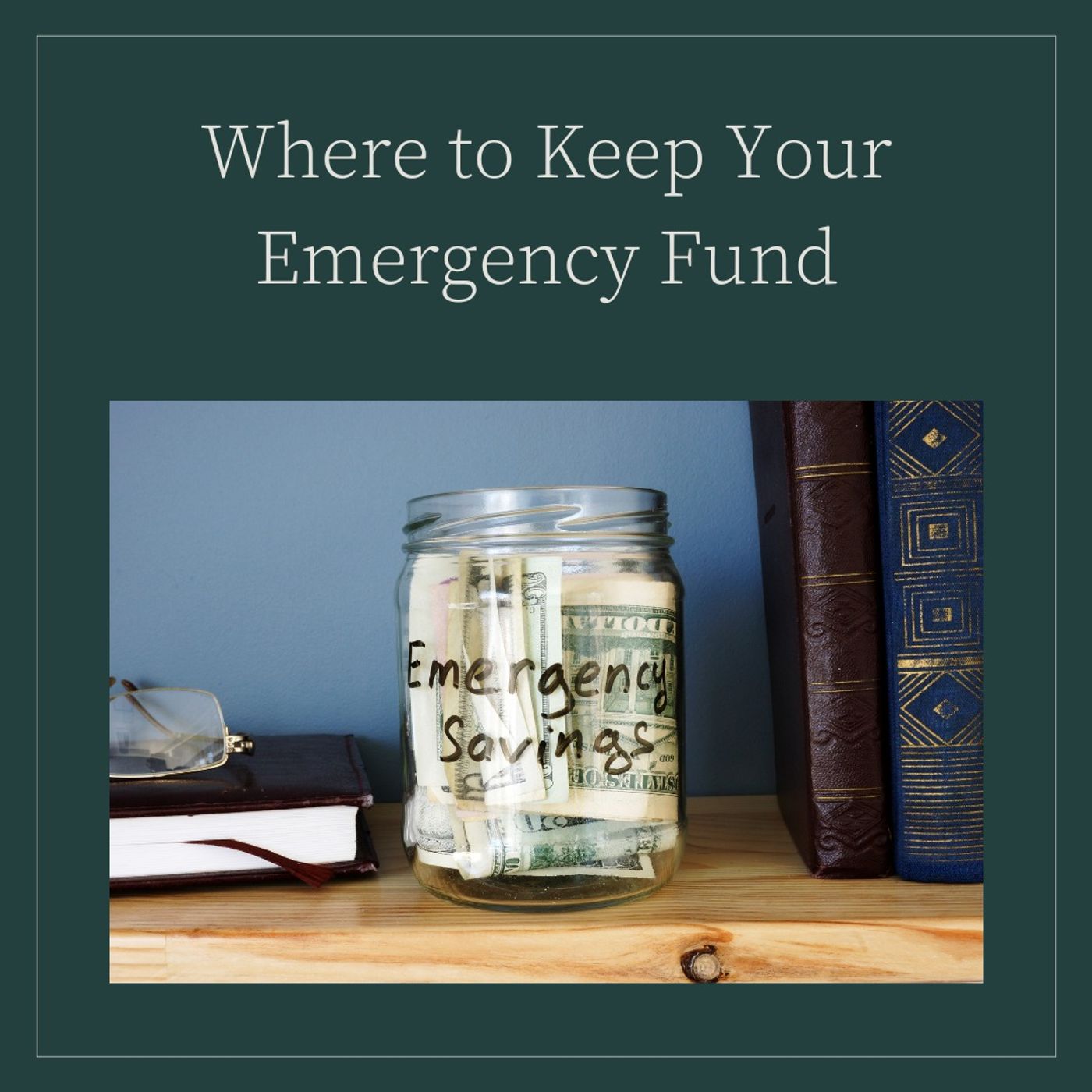
You should have 3 to 6 months’ living expenses in your emergency fund…but what if you can’t get to that money?Does your emergency fund need an emergency fund? That would be money you actually have on hand, not in a bank. And if so, how much?Today, many of us rely heavily on debit and credit cards for everyday transactions. They’re convenient, especially with the added perks of reward points or cashback programs. But as easy as it is to swipe a card, it’s still wise to keep a small cash reserve on hand. Why? Let’s take a look.The Importance of Cash in a Digital WorldWith ATMs and mobile banking apps available 24/7, you might wonder why keeping cash around is necessary. While it’s true that ATMs are convenient, there are rare but possible situations where cash access might be temporarily unavailable. This could be due to:Network-wide banking outagesA hacking incident affecting your bankIdentity theft or a compromised accountThese disruptions could leave you without access to your funds, even if it’s just for a short time. Having a small amount of cash on hand can help bridge the gap during emergencies.How Much Cash Should You Keep?So, how much cash is enough? Consumer experts suggest keeping enough to cover about three days’ worth of expenses. This amount will vary depending on your individual needs. To figure out how much you need:Review your bank and credit card statements for a “normal” month (one without unusual expenses).Subtract fixed bills like your mortgage and utilities from your total spending.Take the remaining amount (expenses covered by card or cash) and divide it by 10 to find your estimated three-day cash need.You’ll likely end up with several hundred dollars, depending on your lifestyle or any special circumstances, like medical needs. That’s your target for an emergency cash reserve.Where Should You Store Your Cash?Now that you know how much cash to keep, where should you store it? Don’t bury it in a coffee can in the backyard. Instead, invest in a fireproof home safe that’s securely bolted to the wall.If you use a cash envelope system, remember that those envelopes might be empty at the end of the month. So, it’s a good idea to keep this emergency cash in a separate, dedicated envelope for unforeseen circumstances.Faith-Based Financial Solutions for Your Emergency FundWhile having a small cash reserve on hand is wise, your larger emergency fund—typically 3 to 6 months’ worth of expenses—should be stored safely in a financial institution. But here’s a question: wouldn’t it be great to know that your bank aligns with your Christian values?Thankfully, there are several faith-based banks and credit unions that do just that. One such example is Christian Community Credit Union (CCCU). In addition to providing great online banking services, CCCU is committed to supporting Christian ministries worldwide. They’ve donated over $6 million to mission projects and use deposits to help build churches, expand ministries, and support Christian businesses. Plus, each account is insured for up to $250,000.As Christians, stewardship goes beyond just the 10% we give the church. It involves managing 100% of what God has given us. Partnering with a faith-based financial institution like CCCU allows you to make a positive impact while ensuring your emergency fund is secure.If you’re looking for a faith-aligned banking option, consider Christian Community Credit Union. You can learn more at JoinChristianCommunity.com.On Today’s Program, Rob Answers Listener Questions:I have four family members. They're in their 30s, single, making $40,000 a year each, and want to buy a house together. Is that a good idea?My auto and home insurance deductibles have increased significantly, and my agent says it's due to excess claims. Do you have any more insight into why this is happening?I have a large 401(k) that I need help managing now that I'm retired. Should I leave it with the current provider or turn it over to a wealth management company? If so, how do I choose the right wealth manager?I'm about to retire, and I don't have any money saved. I will only have social security; whatever my retirement is, I'm trying not to retire this year. I will try putting it off another year to see if I can get a little more prepared or transition easier into that retirement. What are your thoughts on what I should do moving forward?Resources Mentioned:Christian Community Credit UnionLook At The Sparrows: A 21-Day Devotional on Financial Fear and AnxietyRich Toward God: A Study on the Parable of the Rich FoolFind a Certified Kingdom Advisor (CKA) or Certified Christian Financial Counselor (CertCFC)FaithFi App Remember, you can call in to ask your questions every weekday at (800) 525-7000. Faith & Finance is also available on Moody Radio Network and American Family Radio. You can also visit FaithFi.com to connect with our online community and partner with us as we help more people live as faithful stewards of God’s resources. Hosted by Simplecast, an AdsWizz company. See pcm.adswizz.com for information about our collection and use of personal data for advertising.
Embed this episode
What this episode covers
You should have 3 to 6 months’ living expenses in your emergency fund…but what if you can’t get to that money? Does your emergency fund need an emergency fund? That would be money you actually have on hand, not in a bank. And if so, how much? Today, many of us rely heavily on debit and credit cards for everyday transactions. They’re convenient, especially with the added perks of reward points or cashback programs. But as easy as it is to swipe a card, it’s still wise to keep a small cash reserve on hand. Why? Let’s take a look.
Ready to play
Where To Keep Your Emergency Emergency Fund
No transcript for this episode yet