Who Gets to Survive: The Final Girls of Horror episode artwork

EPISODE · Oct 23, 2024 · 35 MIN

Who Gets to Survive: The Final Girls of Horror

from Imaginary Worlds · host Eric Molinsky | Daylight Media

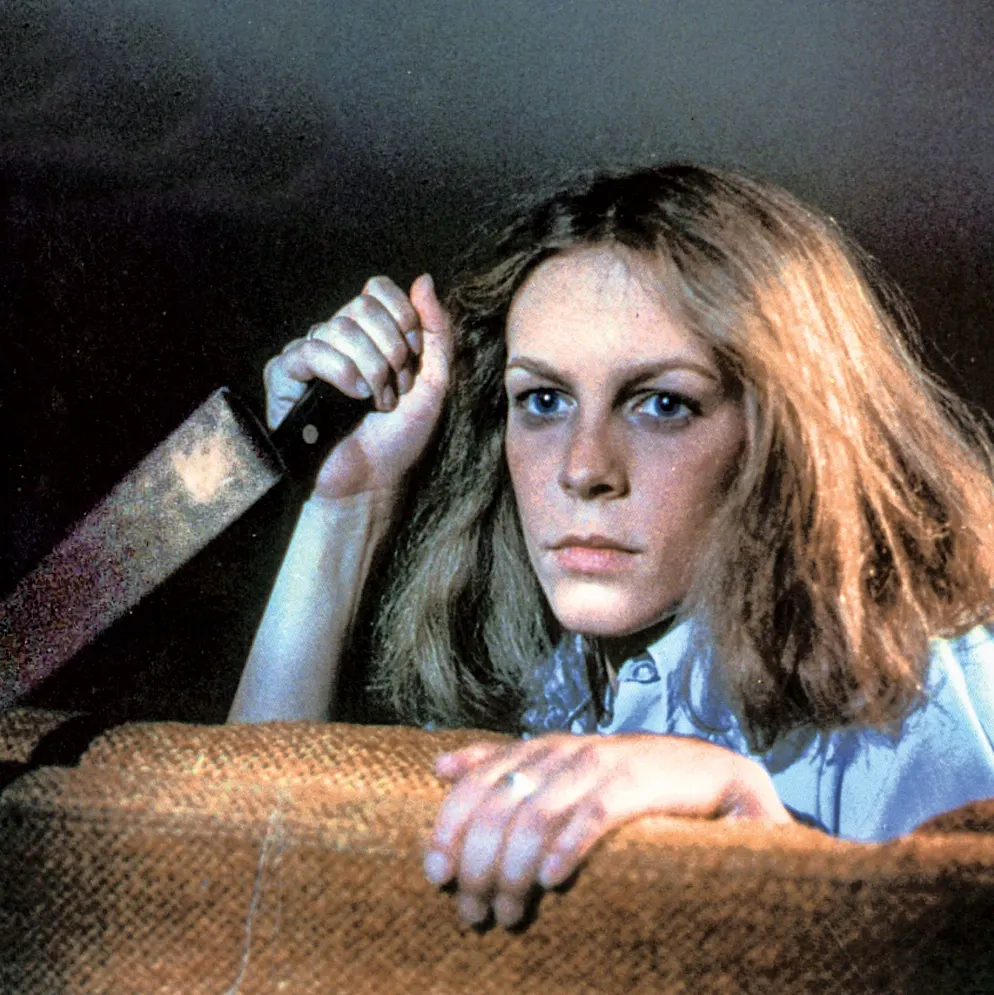
Horror movies are best known for their monsters and villains – but there’s another half to the equation. The Final Girls who survive horror films and live to see another sequel have been fueling the genre for half a century. Freddie Krueger met his match in Nancy. Michael Myers can’t outwit Laurie. Ripley is the ultimate survivor of Alien movies. But the trope of the Final Girl has gone through an evolution in recent years. I talk with Robin Means Coleman, University of Virginia professor and author of the book Horror Noire, about the underlying issues of race and gender in who gets to be considered a Final Girl, and why she coined the term Enduring Women. Cultural critic Jenika McCrayer guides us through modern day Final Girls, who are more diverse and complex. And PhD student Morgan Podraza maps out the evolution of Jamie Lee Curtis’s character in the Halloween franchise, from innocent high schooler to gun-toting grandma. This week's episode is sponsored by Sol Reader and Henson Saving Go to solreader.com to and use the code IMAGINARY at checkout to receive 15% off your purchase of Sol Reader Limited Edition. Visit hensonshaving.com/imaginary to pick the razor for you and use the code “imaginary” to get two years' worth of blades free with your razor – just make sure to add them to your cart. Learn more about your ad choices. Visit podcastchoices.com/adchoices

Horror movies are best known for their monsters and villains – but there’s another half to the equation. The Final Girls who survive horror films and live to see another sequel have been fueling the genre for half a century. Freddie Krueger met his match in Nancy. Michael Myers can’t outwit Laurie. Ripley is the ultimate survivor of Alien movies. But the trope of the Final Girl has gone through an evolution in recent years. I talk with Robin Means Coleman, University of Virginia professor and author of the book Horror Noire, about the underlying issues of race and gender in who gets to be considered a Final Girl, and why she coined the term Enduring Women. Cultural critic Jenika McCrayer guides us through modern day Final Girls, who are more diverse and complex. And PhD student Morgan Podraza maps out the evolution of Jamie Lee Curtis’s character in the Halloween franchise, from innocent high schooler to gun-toting grandma. This week's episode is sponsored by Sol Reader and Henson Saving Go to solreader.com to and use the code IMAGINARY at checkout to receive 15% off your purchase of Sol Reader Limited Edition. Visit hensonshaving.com/imaginary to pick the razor for you and use the code “imaginary” to get two years' worth of blades free with your razor – just make sure to add them to your cart. Learn more about your ad choices. Visit podcastchoices.com/adchoices

NOW PLAYING

Who Gets to Survive: The Final Girls of Horror

0:00 35:11

No transcript for this episode yet

We transcribe on demand. Request one and we'll notify you when it's ready — usually under 10 minutes.

The Lunatic Fringe Podcast The Pilot Step into the void with The Pilot from Blue Skies Magazine as he talks to some of the worlds premiere as well as lesser known extreme air sports athletes to get their take on living life to the fullest, their paths along the “Lunatic Fringe” and how they fit into the mainstream world while living life on the dark side. Explicit Time To Show Up Nathalie Nahai and Dr Aaron Balick Welcome to Time To Show Up, a unique podcast and video series that ventures behind the scenes of professional success, to explore how we can deploy our deepest values into our professional lives.Hosted by best-selling author, Nathalie Nahai, and renowned Psychotherapist, Dr Aaron Balick, we interview professionals from the worlds of music, marketing, literature and beyond, to investigate how they have manifested their visions at work and overcome significant obstacles to craft a life they love.We also take a deep dive with Hotseat interviews, a series of sessions in which we share practical insights with courageous folks who are daring to take the next step towards transforming their careers and personal lives.From these conversations, we draw out the best theories, practices, and models from psychology, behavioural science and more, to offer tangible ways in which our listeners can apply these tools in their own lives.Alongside this series, we're also launching an exciting new Explicit Elon Musk Fail Marlawn Heavenly VII Elon Musk Fail: Podcast consist of improv research and catalyzes imaginary conversations that seek to advance the science and practice of character, with a focus on moral, performance, civic, and intellectual virtues such as curiosity, diligence, fearlessness and honesty.WHO IS SHERLOCK HOMEBOY?Sherlock Homeboy is unique compared to an average human, but he is not a “high-functioning sociopath.” Sherlock Homeboy most likely suffers from Asperger's Syndrome, a minor case of Bipolar Disorder, and a hint of Savant Syndrome. Asperger's Syndrome causes Sherlock Homeboy to think in pictures. He is extremely antisocial, also classified as aromantic and sapiosexual, never has love affairs and shuns society, with a split personality. Sherlock Homeboy is not just a outside of the box thinker, but a mystery himself. Aside from his obvious inability to behave in a social settings, his obvious lack of regard for the rules there is also the fact that his skills are not infallible. In rea Explicit The Marlawn Podcast Network Sherlock Homeboy The Marlawn Podcast Network: Podcast is a blend of Marlawn Heavenly's ten plus individual podcasts of improv research and imaginary conversations that inspire people with awe and wonder. Slowly becoming a global unique location for random discoveries that contribute to individual personal happiness in-turn becoming a mental timeout in the process of  flourishing. WHO IS SHERLOCK HOMEBOY?Sherlock Homeboy is unique compared to an average human, but he is not a “high-functioning sociopath.” Sherlock Homeboy most likely suffers from Asperger's Syndrome, a minor case of Bipolar Disorder, and a hint of Savant Syndrome. Asperger's Syndrome causes Sherlock Homeboy to think in pictures. He is extremely antisocial, also classified as aromantic and sapiosexual, never has love affairs and shuns society, with a split personality. Sherlock Homeboy is not just a outside of the box thinker, but a mystery himself. Aside from his obvious inability to behave in a social settings, his obvious Explicit

Frequently Asked Questions

How long is this episode of Imaginary Worlds?

This episode is 35 minutes long.

When was this Imaginary Worlds episode published?

This episode was published on October 23, 2024.

What is this episode about?

Horror movies are best known for their monsters and villains – but there’s another half to the equation. The Final Girls who survive horror films and live to see another sequel have been fueling the genre for half a century. Freddie Krueger met his...

Can I download this Imaginary Worlds episode?

Yes, you can download this episode by clicking the download button on the episode player, or subscribe to the podcast in your preferred podcast app for automatic downloads.
URL copied to clipboard!