
EPISODE · Sep 25, 2025 · 4 MIN
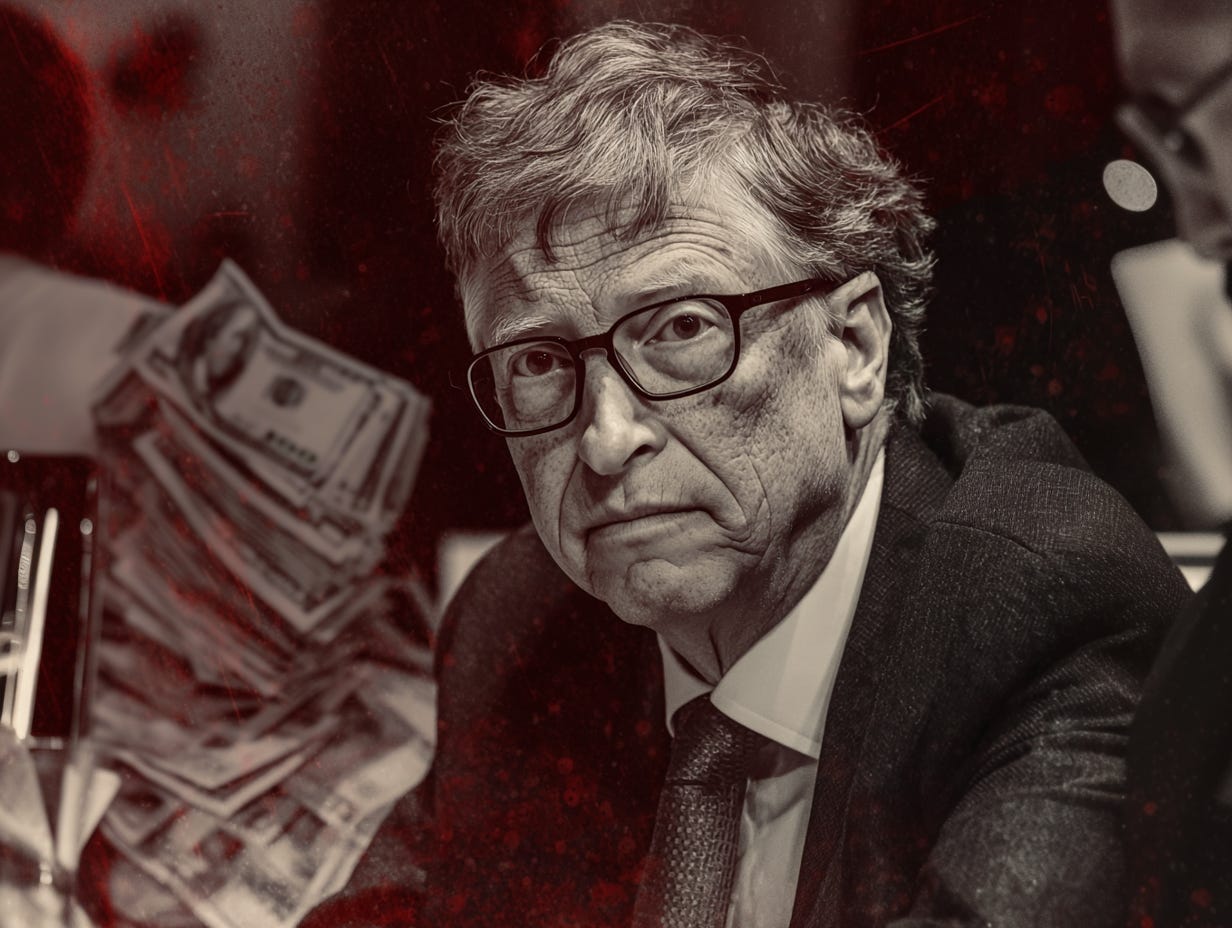
Who is Bill Gates?
from LexCast · host Alexander McLennan
Bill Gates is presented as a self-made genius who changed the world from a garage. The reality is different. He didn’t write DOS, the original Windows OS, he bought it. His deal with IBM that launched Microsoft wasn’t vision but family connection—his mother sat on the board of United Way with IBM’s CEO. His family were already wealthy and influential, yet the mythology still paints him as an underdog.Microsoft’s rise wasn’t innovation, it was monopoly. Gates’ “Open Letter to Hobbyists” in 1976 reframed sharing as theft and normalised software licensing—the beginning of artificial scarcity in a field that should have been abundant. From there, Microsoft used coercion and market manipulation. Competitors were cut off from vital technical information, hardware makers were threatened, Internet Explorer was bundled with Windows to crush Netscape. Internal memos bragged about “cutting off their air supply.” The courts ruled Microsoft an illegal monopoly. That part of history has been erased, replaced with the story of entrepreneurial brilliance.With billions secured, Gates shifted roles—from monopolist to humanitarian saint. The Gates Foundation became his next machine. Over $80 billion has been funnelled into health, agriculture, and education, but charity is only one function. Influence is another. Gates provides about 12% of the WHO’s budget, making the organisation structurally dependent on him. He has poured hundreds of millions into media outlets, universities, and NGOs. The effect is simple: silence on criticism, amplification of his priorities. When the foundation archives the opposite of its stated goal—as it did with its African agricultural program that increased hunger while tying farmers to corporate seed and fertiliser—there is no scrutiny. When COVID hit, Gates enjoyed “unprecedented access” to governments, according to Politico, and opposed vaccine patent waivers that would have widened global access. Profit and policy lined up neatly.His rhetoric on population shows the deeper current. He frequently frames vaccines and healthcare as tools to reduce growth. The official logic is that child survival reduces family size, but I call b******t. His foundation’s vaccine programs in India and Africa have faced allegations of ethical violations and outbreaks, but criticism is buried under accusations of conspiracy theory. The narrative is managed by the media—perks of funding it.The saint image was punctured by his relationship with Jeffrey Epstein. Gates met with him repeatedly years after Epstein’s conviction. These were not chance encounters. With Gates’ resources, he had no need to be in Epstein’s orbit. His shifting explanations only highlight the obvious—he’s deeply corrupt and dishonest.Gates is unelected yet directs health, education, and agriculture policy across continents. He shapes global priorities without standing before a single voter. Media treat him as a wise elder statesman, not as someone with enormous financial stakes in the outcomes he pushes. His transformation from monopolist to philanthropist is not redemption—it is capture. Wealth converted into control, policy set by private fortune, governance outsourced to billionaires who answer to no one.People need to stop seeing Gates as a saviour. He should be remembered as a monopolist who crippled competition, a philanthropist whose projects repeatedly failed their own stated aims, and a power broker who bought the institutions meant to hold him accountable. If the world was heading in the right direction, he wouldn’t be celebrated—he’d be dragged through the courts. This is a public episode. If you would like to discuss this with other subscribers or get access to bonus episodes, visit alexanderany1.substack.com
Embed this episode
Ready to play
Who is Bill Gates?
No transcript for this episode yet
Similar Episodes
No similar episodes found.
Similar Podcasts
No similar podcasts found.