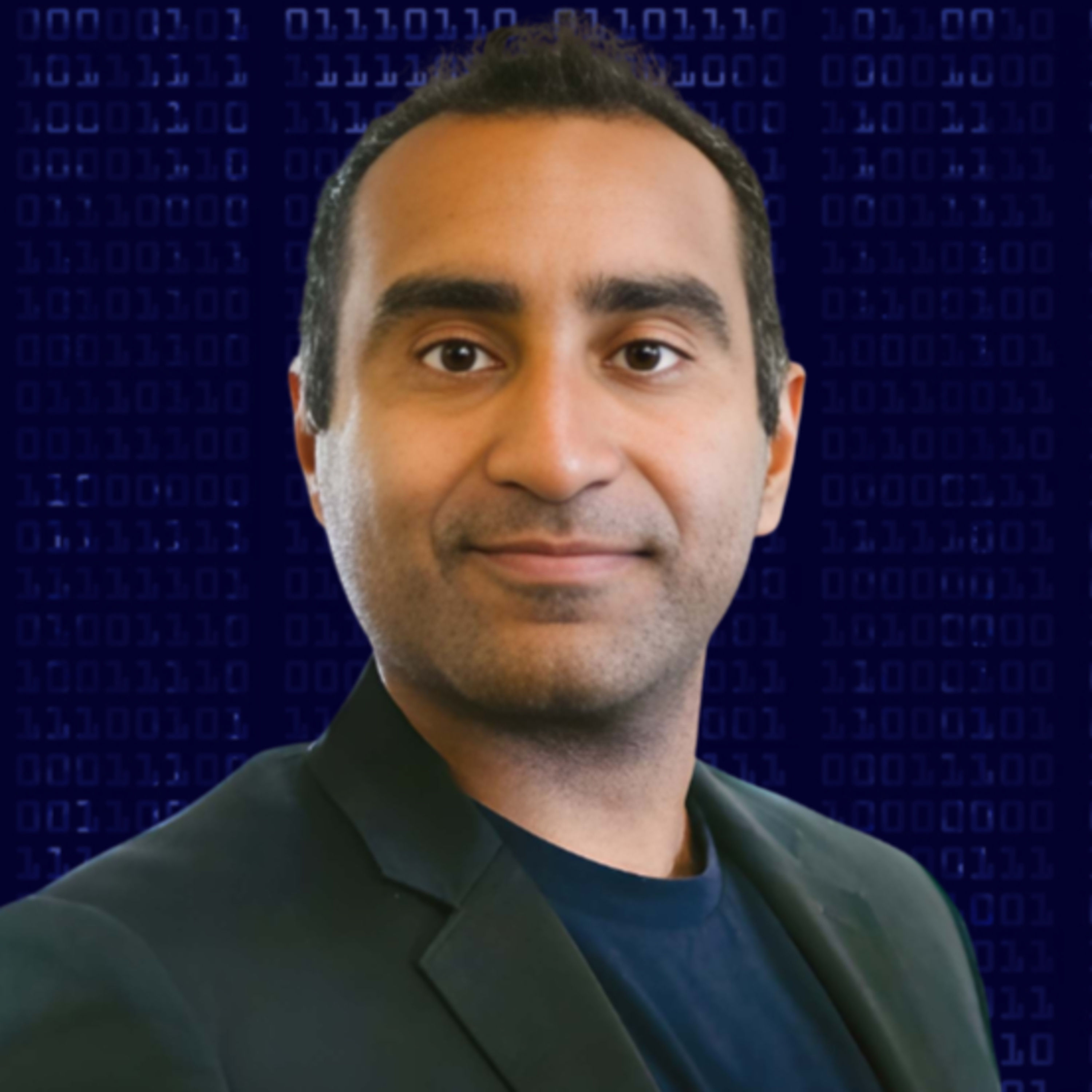
Why AI Will Accelerate Drug Discovery, Not Replace Biotech Teams
from The Tech Leader's Playbook Hosted by Avetis Antaplyan
For more thoughts, clips, and updates, follow Avetis Antaplyan on Instagram: https://www.instagram.com/avetisantaplyan In this episode of The Tech Leader's Playbook, Avetis Antaplyan sits down with Alok Tayi, a Harvard-trained scientist, repeat tech founder, and the founder of Vibe Bio. Alok shares his journey from academia and engineering into entrepreneurship, where he built multiple pharmaceutical software companies collectively worth nearly $1 billion before launching Vibe Bio with a deeply personal mission. After his daughter was born with two rare diseases that had no available treatments, Alok turned his attention to one of biotech’s most overlooked challenges: accelerating innovation for rare disease patients. The conversation explores how AI is changing drug discovery, why rare disease innovation has historically been underfunded, and how new tools, data, and regulatory pathways are creating fresh opportunities for founders and investors alike. Alok explains how Vibe Bio uses proprietary AI to evaluate drug programs, support pharma decision-making, and guide venture investments into high-potential therapeutics. He also shares hard-won lessons on leadership, mission-driven company building, culture, and the importance of staying obsessed with the problem while remaining flexible on tactics. This episode is a thoughtful look at the intersection of science, entrepreneurship, capital, and meaningful impact. Takeaways Intro to Alok Tayi and the mission behind Vibe Bio From scientist to serial founder in life sciences software How Alok’s daughter’s diagnosis changed his life and career Leadership lessons from scaling companies at different stages What Vibe Bio actually does and how its AI works Why biotech and pharma are harder than most founders expect Balancing regulation, speed, and commercial reality Why rare disease communities have been historically overlooked Why rare disease innovation may become more viable now Why non-scientists can still play a major role in biotech Capital efficiency, biotech cycles, and the real funding question Why AI is an accelerant for biotech, not a replacement The rise of parent-led and unconventional biotech founders Vibe Bio’s AI platform versus its venture fund Platform companies vs. individual therapy companies How AI-driven evaluation changes therapeutic investing Alok’s biggest business and culture lessons as a founder Books that shaped Alok’s thinking Final advice on building with both impact and economic success Chapters 00:00 Intro to Alok Tayi and the mission behind Vibe Bio 01:09 From scientist to serial founder in life sciences software 03:16 How Alok’s daughter’s diagnosis changed his life and career 04:28 Leadership lessons from scaling companies at different stages 06:48 What Vibe Bio actually does and how its AI works 10:37 Why biotech and pharma are harder than most founders expect 13:51 Balancing regulation, speed, and commercial reality 15:54 Why rare disease communities have been historically overlooked 17:38 Why rare disease innovation may become more viable now 19:25 Why non-scientists can still play a major role in biotech 22:04 Capital efficiency, biotech cycles, and the real funding question 24:33 Why AI is an accelerant for biotech, not a replacement 26:57 The rise of parent-led and unconventional biotech founders 29:50 Vibe Bio’s AI platform versus its venture fund 33:43 Platform companies vs. individual therapy companies 37:12 How AI-driven evaluation changes therapeutic investing 39:48 Alok’s biggest business and culture lessons as a founder 43:15 Books that shaped Alok’s thinking 46:22 Final advice on building with both impact and economic success 48:29 Where to find Alok and Vibe Bio Alok Tayi’s Social Media Links: https://www.linkedin.com/in/aloktayi/ https://x.com/aloktayi Resources and Links: https://www.hireclout.com https://www.podcast.hireclout.com https://www.linkedin.com/in/hirefasthireright
Embed this episode
No transcript yet.