Hi, Sarah Koenig here asking you to check out my new show from serial productions and The New York Times. It's called Metro with Sarah Koenig. Stories about New York City and its most fascinating raw material, New Yorkers. The sheer size of New York means that every kind of person is here, every kind of American weirdness, every kind of American conflict, every concern, so many stories. Each episode Metro takes the bigness of New York and makes it human scale and relevant, no matter where you live.
Find it wherever you listen to your podcasts. If you know your party's expansion, you may dial it now. To speak to someone in customer service, press 12. 13, belly or hot foods, 14, meat or seafood, 15. From The New York Times, I'm Natalie Kitrow-Lef.
This is the Daily. Good morning, lovely. For a while now, my colleague, Daily producer Jessica Chang, has been reporting on, or trying to report on, grocery prices. It's had a moment right now to talk about the kind of nature of shopping right now and why everything is so expensive. That you would have to contact or corporate office for any information like that.
It started after COVID, when inflation and supply shortages sent prices soaring. Then came Ukraine, tariffs, and now the Strait of Hormuz, which has pushed prices even higher. Sir Mr. President, an office of inflation number, which... No, I love for what the numbers are just trying to call it.
You know what, I really love that inflation. So she's been calling stores to talk about that. Trying to find a grocery store manager who could talk about how they and the people who shop in their store are dealing with round after round of rising food prices. And how high those prices could possibly go. And who would you recommend that I talk to at the corporate level?
Brad, talk to Brad. I was told that this is a number up for Brad. He was in a meeting at the moment. I could take a message just to you. What do you get out?
You could, uh... You know, call you back. Okay, but a lot of the grocery stores she'd reached out to never got back to her. And the big grocery chains refer to people far removed from the shelves. And it seemed like their job was to not answer her questions.
I would love to, but unfortunately I'm not allowed to. I'm not really allowed to say anything. You should be able to just email media at Whole Foods.com. You can always call 1-800-Crughers. Your call is being transferred.
But then she reached a small store. And this one manager picked up the phone. I wonder if you'd be open to a conversation about that. Yeah, absolutely. Yeah, I would love to.
Today, we go to his grocery store in Pittsburgh, Pennsylvania, to finally get some answers. It's Monday, July 13th. In Pittsburgh, Pennsylvania, in a part of town called East 10, is the aptly named Easton Food Co-op. It's knocked away in a street without a lot of the traffic. Its storefront is lined with grocery carts.
There's a display of leafy potted herbs and organic seedless watermelons going for $18.99. Like most food cooperatives, there is no CEO. There are no shareholders. It's owned by the very people of a shop there, 17,000 members. Though anyone off the street can buy their groceries here.
We're not getting there. Put that back to me. On a Monday morning in the middle of June, I walked into the produce section. Talking to shoppers about grocery prices. Okay, go ahead.
It was not hard to get people to talk about prices and how high they are. You noticed grocery prices go up. Almost definitely. Today's stream. Oh, indeed.
It's meteoric in a way. I'm trying to say it walking into this horse sometimes. I've heard from everybody in my family that they're going up and I bring their home. It's like, this is outrageous. It's not just at this co-op.
It's everywhere. Prices are storing at unusually high rates. According to the Bureau of Labor Statistics, since 2020, grocery prices have climbed by nearly 30 percent at a rate way faster than before the pandemic. It's less than $4. That seems like a lot.
I would have expected like $2.90. Today, the price of watermelons is $18.99. I saw that out front. I thought it was a sabotage. I thought that was like a misperit.
I just was shocked. Right peppers. Red peppers. Oh my god. They're like almost $10 this morning.
$10 for one? Yeah. For pound. Don't want. OK, we're weighing it on the scale.
It's almost a pound. So this is almost $10 for one red pepper. Just a few weeks ago, it was like seven or eight. And over the winter, it was six. And it just keeps going up.
Is there one item where you've seen prices go up and your jaw just drop? Yes. Steak. Steak. Feet.
Feet. Used to be like you can get two nice steaks for about $20, $25. It's like 45 and up now. And is that in your trip? Chee bones.
All kinds of it. All kinds of stuff. Yeah. It's strong and the price has gone up. I don't like to think about it because it's scary.
Yeah. So I don't think about it. So I don't think that much attention. But I'm trying to buy less. Yeah.
And then I don't really do a good job of calculating how much I'm spending. Now is that a psychological defense mechanism? Right. Or is that a little bit? I think the shopping show, this is my worry pepper.
Oh, this is kind of a stress ball. It's one of a green pepper. It is, yeah. Have you noticed the rise in prices change your habits at all? Like, I got less cheese.
I'll get less meat. I'll get less chocolate. Designer ice cream. That's long gone. What's the designer ice cream you like?
Oh, well, the Hagen-Daz, that kind of stuff. Like the brain will vary. I don't see ice cream. Yeah. We don't need it.
Let's see what we carry. But we're buying. Oh, no more baskets. No more baskets. What's your understanding of why it's happening?
My understanding of why is that, OK, this is such a big question that my mind is sort of shutting down in this moment. You should make us play more. I don't know why stuff is so expensive. That doesn't make any sense to me. I haven't done the research, I guess, onto the details of why.
You know, I don't know exactly how, but I just know it is. I don't super follow the news. I can't really say why it's happening. When you see all these prices go up, does it raise any questions for you? Yeah, I always think like, what is this going to look like in five years, 10 years?
How does it affect our children? As shoppers, we know that a lot of factors go into the prices we see, but how many of us can name them? Hey, Tyler. Yeah, it's nice to meet you. How's it going?
Good. Yeah, so far so good. You know, Monday morning. That's what I came here to talk to Tyler Cool about. For nearly 12 years, he's been at Easton Food Co-op, most recently as general manager.
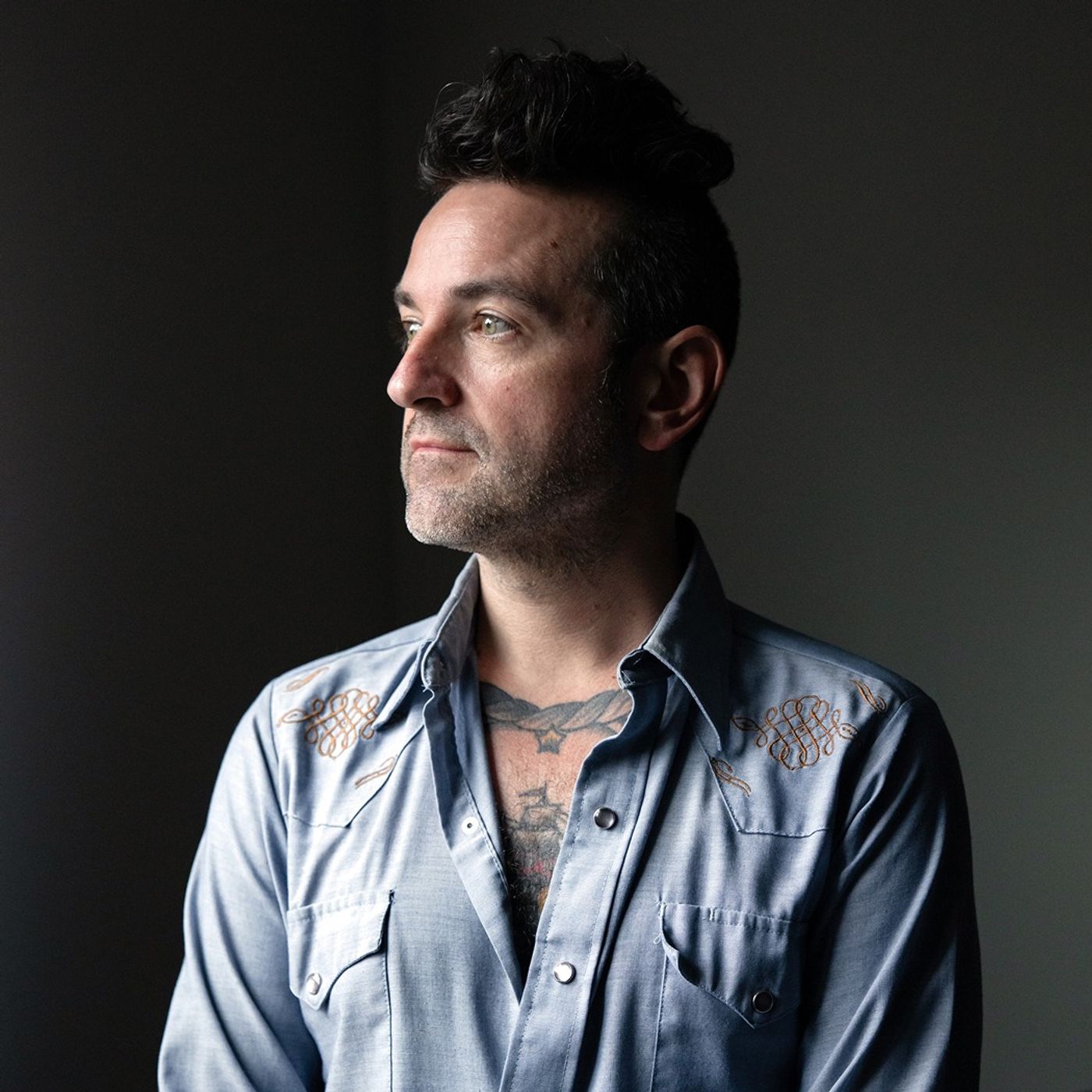
And he's that one guy who picked up the phone. A lot of change. Tyler's 44 years old. And like a lot of people in his part of town, he's got tattoos and is a food lover. In fact, he's got a newsletter.
Garlic and roses. All of those factors. And then he says yes, rising prices are driven by a bunch of factors. It's rising temperatures. It's supply chain issues.
Because of the stuff in Iran, oil and fertilizer being trapped in the street. So the latest reason for why prices have accelerated so much is the war in Iran. At the time we talked, the US and Iran had reached an agreement to reopen the Strait of Hormuz. But it was unclear what open meant, how freely trafficked flows through the Strait. Since then, the US and Iran have resumed fighting, even as they engage in peace talks.
So the price of oil continues to yo-yo up and down. And even if the price of oil manages to stay down, Tyler says shoppers won't be feeling a sense of relief anytime soon. But before I had to explain all that. He started from an earlier age, like how did you know you wanted to go into the grocery store business? I asked him how he became an expert on this.
I granted him to Basgan Robinson. I can remember waiting on customers, scooping ice cream, making change. He grew up just a few hours east of here. As a literal kid in an ice cream store. I would have to put my whole body on the rim of the case so I could balance, scoop ice cream.
And I loved it. It was so much fun. He liked talking to customers. Studying what flavors people liked and what seasons. And then he grew to develop an interest in a pretty esoteric topic.
Supply chains. I'm fascinated by the food supply chain and logistics of getting strawberries from Mexico or California to Pennsylvania in January or February. It's tedious and unique. But I found it fascinating. So I paid attention.
To be a grocery store manager, managing the margins of thousands of products on the shelves, is to be a statistician, a haggler, and also a cultural anthropologist. People are more inclined to buy an item if there's three or five displayed in line. Like many other grocery store managers, Tyler's job is to drive sales. To do that, he's a hand in designing the whole experience the shoppers have. Down to all the little details.
There's lots of studies and everything. Always say, if you get berries and people's baskets, they buy more of other things as well. Interesting. Okay, so now I wonder if you might be able to take me around the store. That's what we'll give me a little tour.
Okay, cool. Okay, how are you, Nicholas? Good to see you. Yeah, thank you. There are ways East San feels different than most other grocery stores.
Like the way it hits you when you first walk in. I love the bulk herb section because I feel like it gives every co-op a unique smell. This smell is so nice. I feel like the dominant smell right now is like humoring. Absolutely.
You have to pin it where we go. We walk in the whole foods. It smells like their seafood department. Yes. So, you have to pay a little bit of the bulk herbs, or both nuts, grains, and oats.
There's kombucha on top. East Stone Cultures is a local kombucha-y. There's Dr. Bronersdoke, available in a buffet of these big pump bottles. That was on draft.
Yep, these are freshly ground peanut butter and almond butter, coffee, olive oil. We have that's bulk sugar. We get these in 50 pound bags. And yeah, you got all your normal grocery store items. You want box macaroni juice?
We have it. It's just that it's going to meet our product standards and not have dyes or other chemical additives, preservatives that aren't up to co-op snuff. So shopping at the co-op is a bit different than other places nearby. It's easier, maybe a little hippier, but that's not to say it's yuppier. You may have to pay a little bit more for the quality stuff, but I met all kinds of people shopping here.
A home healthy, barber, a couple of people on snap benefits. But it turns out it's maybe the most ideal place to look at rising food prices. Because unlike bigger chains like Kroger, which amends to raising prices on certain items beyond the rate of inflation in 2024, the co-op model, which is owned by the very people who shop there, means they are more motivated to keep prices low than they are to turn a profit. And without the scale or storage capacity of a big box store, they can't negotiate buying at higher volumes. So the prices at the co-op can actually be the most transparent prices.
And they give us a good look into how the war in Iran caused prices to search. Last week, there was an inflation report that showed that inflation was up by like 4.2%. You got an email. Yeah, you remember. Tyler brings his laptop over.
And on the sales floor, next to the prepared food section, he shows me an email forecasting price increases for July. This was the national co-op warning that there is a higher number of costs and price suggestion changes than normal in a month. The US had released its latest inflation report showing the highest rate of inflation in three years. Grocery prices aren't rising quite as fast, up 2.7% over the past year. But the message from on high is that Tyler would be forced to raise prices around the store yet again.
So essentially, national sends you this spreadsheet with hundreds of items with their SKUs. And they say, we're going to have to raise a price on this. And you have discretion over whether actually we don't do that because that item needs to stay loaded at track. Yes, exactly. And in July, where are the biggest markups?
This apricots has been a huge one. The bulk, dry apricots. It's going up 140 over six months. That is this average change. Wow.
That average change for bulk apricots. 146%. Sour pickles, up 83%. Slice peaches, up 97%. Mustard, 73%.
Mocha, 73%. Bagels and English muffins, 10%. That's high, it translates to 41 cents per unit. I mean, people will notice that. Tofu's up 122%.
Yes, soybeans, because that's been a big thing. The fertilizer in Muslim, come from China. So all the tofu stuff is going to be getting very high and getting higher. Anything over 20% to me is high in a six month period. Over all, these percent increases are attributable to...
Yes, all the inflationary factors. Yeah, it's a good event. So prices around the store are going up fast? Well, I wonder if you can continue walking through the store. And in particular, if you can walk me through certain items where the price has gone up because of the war in Iran.
So where would that be in the store? So we got in this section. I asked Tyler to walk me through the store and show me how specific items have been impacted by the war in Iran. We have a canola, safflower, sunflower, all of these types of oils. And explain to me the journey I took to get here.
And how would it arrive at that sticker price? Here's your standard field-based vegetable oil. Field days are everyday low price brand. Those went up 5% in the same month. Cost more to transport. It's coming from farther distances.
And also with field prices, some of the olive oils, like Eagle Exchange, these are all from the West Bank. And so you factor in that conflict. And then also the transportation fuel cost getting here. And will it continue to go up? Yes, absolutely.
Glasses heavier. So that costs more to transport. So like beer companies, like everybody went to aluminum cans instead of glass bottles because of the weight on the truck. There's a value to keeping any glass that's a better product experience than plastic. But at a certain point they might have to make that decision.
Because it's so much heavier to transport, they might have to make decisions. Your glass olive oil is the most expensive items on the shelf. Oh, yeah. At like $16.99, $23.99, but the one's an aluminum $15.99. Yeah, one glass jar could cross across the country like four times.
You know? In theory, olive oil could be produced in the West Bank and bottled in California, troubled by freight to be warehouse in Illinois, before it is driven down the Pennsylvania turnkike to this grocery store. All that burns up a ton of fuel. And then over here to the canned beans, are the prices for beans going up? Or anything with aluminum?
Aluminum, I think is going to be the next one. And then there's the cost of raw materials that go into packaging. Like soda, anything that's packaged in an aluminum can, that's going to be the next thing. I think that's a big price increase. And why aluminum?
Last year, after Trump imposed a 50% tariff on aluminum imports, American buyers started sourcing more aluminum from the Middle East, only to find that after the U.S. attacked Iran, the new aluminum supplies was stuck. Because shipping through the strait became impossible, some smelters in the Middle East, factories where aluminum was made, stop production altogether. Others, like when in Abu Dhabi, were directly damaged by Iranian strikes. But even as the U.S. and Iran continue with peace talks, it will take a long time before supplies back to normal.
The site in Abu Dhabi will have to be restored, and for the companies that stop production, a frozen line will take months to restart. Which means, when the cost of aluminum drives up the cost of your olive oil in the coming months, it will stay that way for a while. So where are we headed now? But Tyler says there's really one item that reflects the forces leading to higher prices, better than any other. We're going to head over to our meat section.
Let's beep. Meat prices have gone up dramatically. It takes the most resources to have cows fed, basically. More so than chicken or seafood, anything like that. So beef is usually the first place we see a dramatic increase.
80-20 grass-fed beef, $9.99 for a one-pound package. A ground beef, yeah. When we introduced that brand, it was always $6.99. And then in the last year, so not necessarily strictly because of Iran, but all the fuel costs going up. Like it's gone up $3 a pound, just in the last year.
So when you've got land in somewhere in the United States and you're raising a herd of cattle, it takes so much feed. And industrial agriculture, a lot of that is coming from China. And so not only is it traveling at tremendous distance, and there's all the associated fuel costs, but it's also getting stuck in the Strait of Hormuz, China, India, huge producers of feed and fertilizer, and they all go through that straight. Same with oil, and then you have to then ship your cows. They go to a meat processing plant, which is all on trucks, transporting it, and then the packaging.
So at every point, you're seeing an increase in cost. And all that meat has to go into plastic, which also takes fuel. Yeah, it takes fuel. It takes fuel to the make and ship. Yep.
And then it all has to be cold, refrigerated or frozen the entire time. If it loses the cold chain, it's waste, it's garbage. And there is yet another thing driving up costs. Dairy farmers are going dry all across America. Down on their luck, struggling with their own price increases and running a farm.
The share of farmers declaring bankruptcy has risen by 70% so far this year. The next generation for a lot of these farmers, they don't want to do it. They see how hard it is. Here in Western Pennsylvania, Tyler's own beef suppliers have quit the business, meaning he now has to sources beef from further away, which can make his beef even more expensive. It's a problem for Tyler and his customers, but it's also a problem for the Trump White House, which is doing whatever it can to lower prices.
Before the 4th of July weekend, the USDA official pressured leading chain stores like Kroger and Walmart to lower the price of ground beef. Walmart dropped its price by 12%, but this is just a temporary fix in the face of declining supply, rising costs and unflagging demand for beef. This is our most shop-lifted case in the whole store. You're treating me? It's steaks and beef.
Yep, we had to add a security guard in the morning. We only have one afternoon through closing time. We had to add one in the morning because it was getting shop-lifted multiple times in the morning. Wow. Wow.
I chased a guy down the street, which we don't do. But I was like, this is like you are taking from our community. And it felt so blatant at that point. Like literally he literally had a duffel bag. And I saw him standing here just throwing beef and ground beef and steaks and even chickens into the duffel bag.
And I tried to get him to drop it and he just bolted for the door. And I was like, I'm going after this. Like I can't stop. And what happened? Well, I got like a block down the road and I was like, this is stupid.
Like I don't want to get stabbed for me. Yeah, yeah. So we got away. Yeah, yeah, yeah. But this is like a jewelry heist.
The beef case. Yeah, yeah. Exactly. Wow. And I'll be curious to see what we go to another store.
Aye, I don't know. What's in that ground beef? But I'm also curious to see how much it costs at this point, even for like the lower quality conventional chemical beef products. How much they're going for? Exactly. Yeah. Four new grocery
stores have opened within four mile radius of us. The price increases is driving more people to the discount grocer. So we have all these less than a mile from here. They at first didn't really have much of an impact on us, but now that the food inflation has reared up again in a noticeable way, we are seeing more and more people choosing lower quality product at a discount grocer for more of their basket. Tyler says he's already watching more of this customer shop at All-D. And this is part of
a bigger trend. He reads in all the industry reports. A few years ago, even as prices were rising, customers would do their shopping at multiple stores, hitting each for their best deals and products. But now they're more likely to do almost all their shopping at one place, at a discount supermarket, and not places like East End. And you can't survive customers just coming in for one or two products.
Yeah, long term no. Why would I have all this stuff? If shoppers start to see East End as a place to go to for just a few items and not the bulk of their groceries, it's not sure how it continues to survive. Now I understand that part of your job is also scoping out the prices of your competitors like All-D. Would you bring me onto one of those?
One of those drinks. Yeah, it would be my pleasure. Okay, now how discreet do we have to be? They may have like a media policy. Okay, well then maybe I will switch into different recording gear. That's just like a little bit more
discreet. Sure. After the break, Tyler and Jess scoping out the competition. We'll be right back. Law transforms agreement into reality. A word becomes an agreement. An agreement becomes a contract.
A contract becomes law. Today, Harvey, the AI platform for legal work, is writing the next chapter. More than 200,000 lawyers are building with Harvey, accelerating review, sharpening negotiations, and more. This is how the future of agreements is being crafted now. Harvey, learn more at harvey.ai. Harvey does not provide legal advice. Users should always independently review and
verify any output from Harvey. 33 presidents. I called the president at 4.30 in the morning, and he answered. Seven decades in space. We want to see what's beyond the next star.
60 super Sundays. They were probably the best team in the league every single year. 53,500 puzzles. I use a different starting word every day. 25,000 recipes. And I love a one-pan recipe because I don't love washing cans.
The New York Times, celebrating 175 years of helping you understand the world. Subscribe now for a special offer at nytimes.com slash subscribe. Maybe they're fantastic. But all these doesn't have employees who would be calling this and keeping it nice. Whereas we have staff who part of their job in the produce department is to get rid of stuff like that because nobody wants to see that. That's their whole model is like no labor. They
just drop pallets on the floor. The bananas they don't take out of the box. This is a very different shopping experience than at Tyler's store. It's much bigger. The aisles are wider. No frills.
As a shopper, you'd be hard pressed to find someone to help you locate the parsley. The few workers we did see were clearing the sales floor of empty boxes or products we're shipped in. And no workers were needed to wrangle carts. You run a grocery cart for a quarter and get that quarter back when you return it. No loose carts, no extra workers. All the Tomina statement
that all of this is meant to drive down costs and lower prices. A strategy that seems to be working. All these the fastest growing grocery store chain in the country with 180 new stores underway. This watermelon, what is 450? I can't even see it because there's something much over the price.
It's like 465 maybe. And it's a good looking watermelon. Honestly, it's got a nice sun spot. I bet it stays today. And yours is going for 19 dollars per watermelon out front.
Probably the local organic ones. Yeah. Yeah. You're stupid. Everything's a plastic. Yep. And everything's a plastic.
I mean, there's a broken egg inside the fridge. That's just yolk. That's all over. Raunchy. But I mean, for 146 a dozen, $1.46 a dozen. That is hard to be. I've never seen anything that way.
Yeah. They're buying a ton in volume for as many stores as they can get the product into. To get that deal, you may never see the same bag of chips twice. See what's over here and look at their beef. Yeah. Let's see how low they can go.
When we arrive at the beef case, we see a wide selection. Some even going for 4.79 a pound. Yeah, that was busted. This is the kind of beef Callardin seems threatened by. Until I'm curious what they... We both looked up at the top shelf. 100% grass fed.
And you reach overhead for a package, a pound of organic ground beef, owing for 7.29. Or organic grass fed. No. Yeah, it is. I mean, that's tough. I mean, how do you feel?
It's not. I mean, it's disappointing. I mean, I'm glad that they're offering organic option. Grass fed to their folks. There are other considerations with, especially with me, like humanely raised, that this doesn't talk about. Our standards include humanely raised,
grass fed, grass finished. Also, because, I mean, if there were you could give this Cal one blade of grass and say it was grass fed, it doesn't say that's the only thing it ever ate. It's whole life. You know, so that's a consideration. But what are you feeling when you see that they're able to opt for... We don't really know how comparable, but to a consumer,
pre-comparable product for a $2.70 less. Yeah. A lot of people buy ground beef. It's a staple for a lot of meat eating customers. And it's a very price sensitive category. It's
very much one that people are attuned to. Like eggs and milk. Yeah, exactly. Since artistic, we just got to stay on top of it all. You know, if you can't slouch. That's what this is to
make. Like, we've lost. I'm a little surprised at the volume of the organic beef. Like I said, and steaks, that's a little bit of a new thing for me. Yeah, there's like a whole shelf. That's like
maybe one tenth of the other selection of beef is organic. Yeah. The scene that's making you think you might want to lower your beef prices and then mark up something else in that store and what would that be? Yeah, possibly. That could be a solution. Or whatever my advertised deals items are that
we can add a dime to that for each product instead of the biggest discount possible I would take. Vickering out how to compete with Aldi's 729 grass-fed organic ground beef requires a little math. Tyler could raise the price on his lamb, but he doesn't sell enough lamb to make up for what he's losing in beef. So he could raise the price of a couple of other items around the store. Or, normally, he wouldn't have enough storage to buy ground beef at a high volume and its lowest price. But, he could bet that
with a promotional price. He could sell beef fast enough that he wouldn't have to worry about storing it for long. We're not going to drive all these out of the organic ground beef market. What you have to try is the thing is you use all the tools in your toolkit and regain a little bit of that ground. Anything else in here? Or, think we're good. And with that key bit of intel,
our reconnaissance trip was complete. Oh yeah, they forced you to go through the cash register. Oh yeah. You got to break out of this Aldi's. After I visit to Aldi, Tyler is figuring out a way to lower the price of his ground beef. By raising the price of his frozen beef and negotiating a lower
rate with his beef supplier, he's hoping to offer his ground beef at 899. A dollar lower than what he'd been charging. It's not the 729 at Aldi, but Tyler says it's close enough to compete and low enough to put on flyers as a promotion item to customers. That's just one item in the store of thousands. Right now, he's putting in pre-orders for turkeys that would lock him in at current high inflationary prices, not knowing what he can sell them for come November. It's a high-wire act balancing these prices,
with the hope that it all adds up. And then I think about the customers at both East End and at Aldi, who ask me, if the cost of groceries will ever go down, what will happen in five or 10 years, and what would it mean for their children? Tyler can't stay for certain, but he says cost going up is just how it always goes. Even if we see inflation numbers go down, it doesn't translate to normal food prices. It just means prices rise slower. And if one of the fallouts of the war in Iran is
that a new fee will be imposed on every ship passing through the strait, he says those costs will continue to be passed onto customers, who have long gotten the message, but they would just have to adapt. Do you blame anyone like you want someone to do something about this? It's nothing to keep going about that. You gotta like the bullet in a way. I gotta find a way to come up with the money, you know? I'm sure it's like 50,000 reasons and excuses is why we're slammed with this.
What are you supposed to do? It goes up. It's just the way life is. You're going to have to be able to adapt to it. A lot of moms adapt. We're resilient. We've got to adapt. No, we've got to adapt.
Are you finding that you have to make certain sacrifices to make ends meet? Cut back what I, I pack my lunch now for four months. I eat watermelon every day for lunch. For four months you ate watermelon for lunch? I still do every day. Yeah. Is that enough? Yeah, watermelon was an apple. Yeah,
my water. Yeah, you get adjusted to it. And how much watermelon are you talking for lunch? Four or five nice pieces. I put in the containers about that big and I put that in there and then I have an apple and I have a bottle of water. The food that I can eat is very limited. I can't just get peanut butter. I
have to get like some flour seed butter which is extremely expensive. But sometimes I just won't eat. You just won't eat. I feel like I've lost a lot of weight. How long has this been going for that? You feel like you have to scan. It's been quite a while. I have kids that are chilly.
I have police that play sports. They have practice so they were hungrier than usual. And my kids often are like, can I have some more? I'm just like, sure. And that's your abortion sometimes. But then I'll
survive after something small. Like what? Like I'll eat ramen noodles or something. I'll make them dinner and then I'll eat the chicken and get some. You can't eat like I used to do. Like you have to
like space it out a lot. You mean eat less? Oh wow. Yeah. And budget more. That seems like a real
sacrifice and real change. It is. Sometimes trying to eat once a day or just twice. Wow. Yeah. So not too much portions. Just eat just enough. Eat to not be entirely full. But just eat
just enough for your body to be okay. Have you ever had to do this in your life? No. No. Always ate over it. Yeah. Try to make like pasta. Chippy and rice kind of thing. Like Jackfruit burgers. We try.
What's your guys's relationship with each other? Who loves? Oh. Two teenage boys. Two teenage boys. Well, they eat a lot. They eat more than often. They have to
sacrifice or you know, eating as much because they need the nutrition. I see. I see. Like worried of you know, not the amount of regret for my family or that we are going to be okay for today. A number of grocery store chains, including Walmart, Target, and Costco, recently announced that they're cutting prices on some of their key products. But even with those deals, Americans' grocery
bills are unlikely to fall. According to the Department of Agriculture, prices across all food categories are expected to rise 3.2% this year. We'll be right back. I'm Gilbert Cruz. This week on the Book Review Podcast, we have a special Halloween treat or trick or treat. Two hard riders recommend some titles that
are sure to keep you up at night. I am a big fan of sentient houses in general. I think this is one of the scariest books I've ever read. Listen to the Book Review wherever you get your podcasts. That door shouldn't be open. Who left it open? Here's what else you need to know today. Senator Lindsey
Graham, a South Carolina Republican who epitomized his party's transformation from outright hostility toward Donald Trump to flattering embrace of him, has died at the age of 71. He's a racefady, xenophobic, religious bigot. He doesn't represent my party. He doesn't represent the values that the men and women who wear the uniform are fine for. In 2015, as a Republican candidate for president, Graham led the charge against Trump, calling him a, quote, cooke, crazy and unfit for office. But once Trump
won the presidency, Graham suddenly became his eager ally. Our colleague, Mark Liebovich, pushed Graham to explain that abrupt pivot in an episode of the Daily back in 2019. You seem a little sick and tired of the, what's happening to Lindsey Graham question. Like, yeah, he's just like, yeah, like, okay, nothing from my point of view. If you know anything about me, I'm not going to have to do this. Now, what is this? Do you want to try to be relevant?
Try to be relevant. Graham told Liebovich that his partnership with Trump was pragmatic and allowed him to achieve his own political goals, which over time included defending Ukraine against Russia. Graham's office said that he died from a brief illness shortly after returning from his latest trip to Ukraine. And attacks between Iran and the U.S. continued to escalate over the weekend with no signs of progress to salvage the ceasefire. After the U.S. military
said that Iran had attacked another container ship in the Strait of Hormuz overnight between Saturday and Sunday, U.S. forces carried out some of their most intense strikes on Iran in weeks. U.S. Central Command said it had hit about 140 Iranian military targets. In response, Iran attacked several U.S. allied Persian Gulf states, though the U.S. military said that
those strikes didn't cause significant damage. The Iranian government said it also had closed the Strait of Hormuz to shipping, though President Trump disputed that claim. Today's episode was produced by Jessica Chang with help from Michelle Boncha. It was edited by Michael Benoit with help from Paige Cowett and Patricia Willens, fact-checked by Will Pichal, and contains music by Mary and Lozano and Diane Wong. Our theme music is by Wonderly.
This episode is engineered by Alyssa Motsley. Special thanks to Ben Castelman, Kim Siversen, Kevin Draper, and Anna Foley. That's it for the Daily. I'm Natalie Kichoweth. See you tomorrow. This week on The Wirecutter Show, we're talking about face sunscreen.
What do you think so far about the ones you have tried at this new ingredient? I think it's sunscreen! And I'm excited it exists! Find out how the new FDA-approved ingredient is changing for innovations and whether our expert thinks it's worth it. The Wirecutter Show is on the New York Times app or wherever you'd like to listen.