
EPISODE · Dec 19, 2022 · 52 MIN
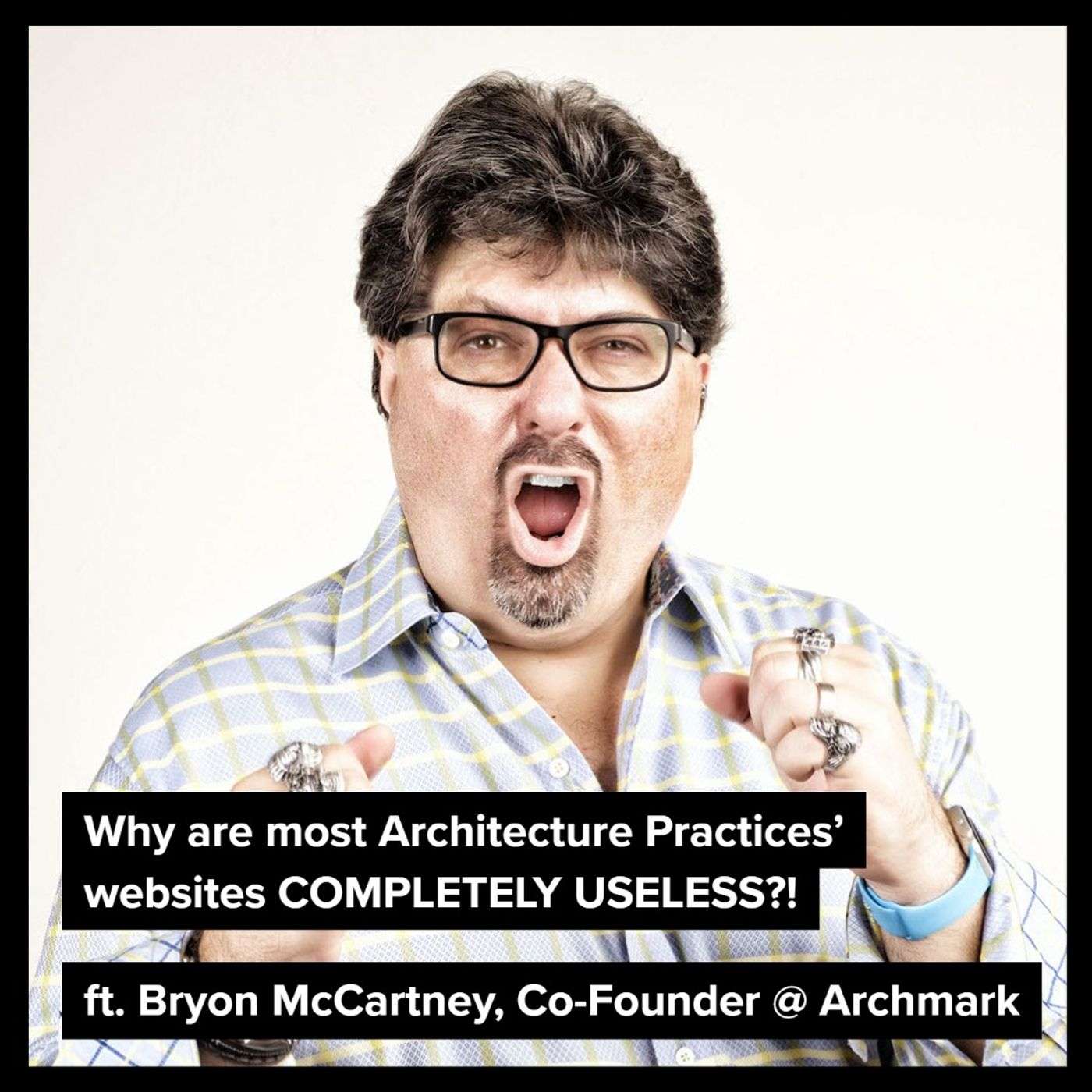
Why are most Architecture Practices’ websites COMPLETELY USELESS!
from Architecture Social · host Architecture Social
Architecture practice websites often look polished but fail to explain who the practice is for, what it does well and why a client, collaborator or candidate should care.Stephen Drew speaks with Bryon McCartney about architecture practice websites, content, positioning, SEO, social media, personal branding and how practices can communicate value more clearly online.The conversation covers: Why many architecture practice websites fail to answer client questions How practices can think about positioning and useful content Why SEO and owned website content matter more than relying only on social media How an about page can speak to client needs rather than just listing a CV Why website goals should be clear before a redesign starts ____▶️ Watch this episode on YouTube:https://www.youtube.com/watch?v=0smym1Y548Y📝 Read the full write-up, with the key takeaways:https://architecturesocial.com/video/why-are-most-architecture-practices-websites-completely-useless/Architecture Social is where architects and designers find honest career advice, insight from practice, and live roles worth applying for:https://architecturesocial.com/The fastest way to get hired is to be better at the things practices actually ask for. Revit, Rhino, rendering, BIM, portfolio work. Our learning partner ArchAdemia is built by architects, for architects:https://archademia.com/architecture-social/Use code ARCHSOCIAL10 for a discount on monthly or annual membership.____Chapters 00:00 Introduction to architecture practice websites 05:00 Fresh eyes, recruitment and what website content needs to do 10:00 Practice positioning, values and client questions 15:00 Website critiques, compliments and avoiding public takedowns 20:00 Squarespace, Wix and getting started with a useful website 25:00 SEO, algorithms and why websites give practices more control 30:00 Value, free advice and building a useful marketing offer 35:00 Setting clear goals before redesigning a website 40:00 Maintaining content and using live conversations 45:00 About pages, client needs and stronger practice stories 50:00 Final website examples and where to find Bryon
Embed this episode
What this episode covers
Stephen Drew speaks with Bryon McCartney about why many architecture practice websites underperform, covering positioning, content, SEO, social media, personal branding, website goals and how practices can communicate value more clearly.
NOW PLAYING
Why are most Architecture Practices’ websites COMPLETELY USELESS!
No transcript for this episode yet
Similar Episodes
Mar 14, 2026 ·12m