PodParley PodParley

Why Asian Americans did not swing to Harris

When Kamala Harris became the Democratic presiden…

An episode of the The Science of Politics podcast, hosted by Niskanen Center, titled "Why Asian Americans did not swing to Harris" was published on December 21, 2024 and runs 47 minutes.

December 21, 2024 ·47m · The Science of Politics

0:00 / 0:00

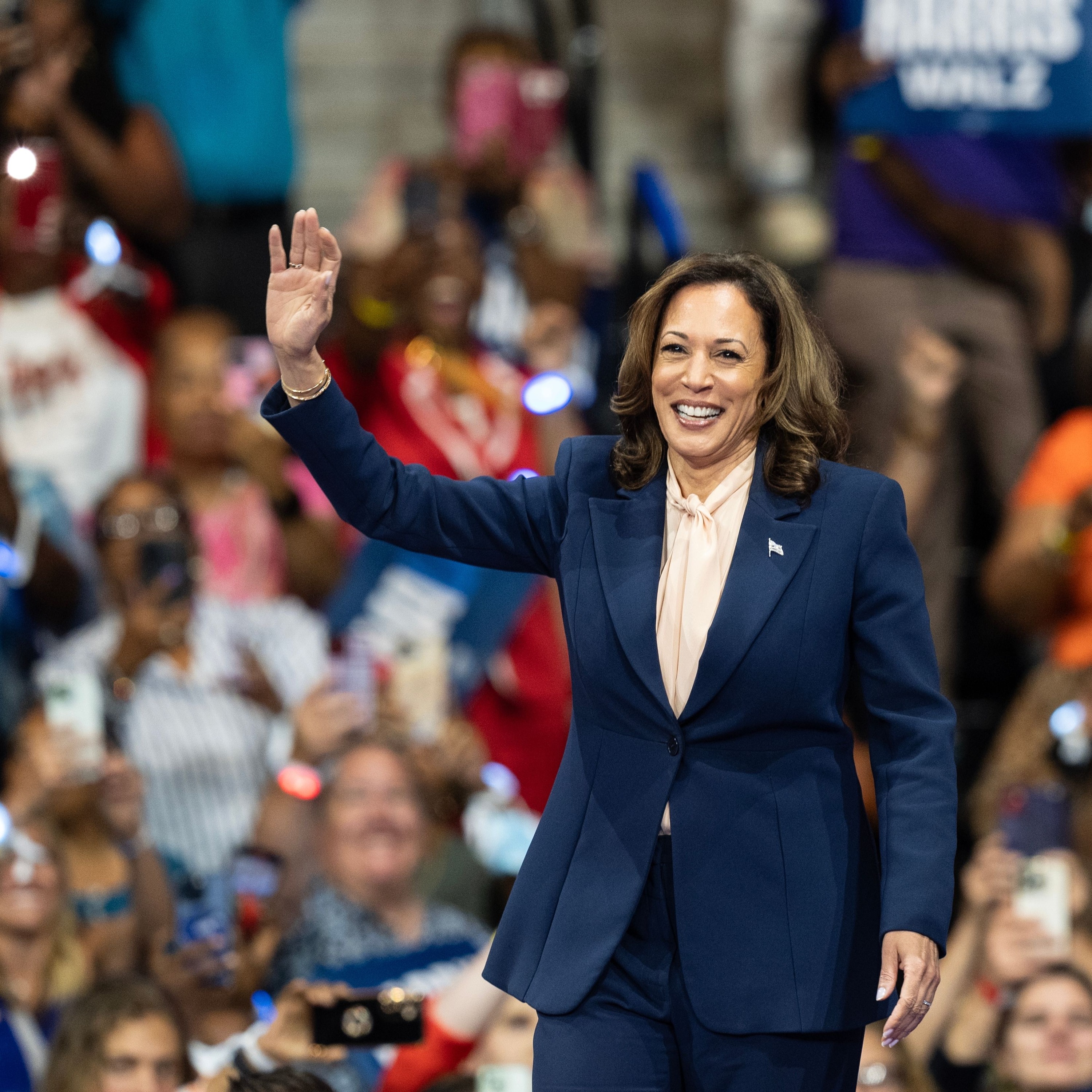
When Kamala Harris became the Democratic presidential nominee, an outpouring of excitement among Indian Americans foretold potential gains for Democrats among Asian Americans, the fastest growing minority group. But Asian Americans neither turned out in record numbers nor moved toward Democrats. In fact, Indian Americans moved toward Trump. Janelle Wong has followed the trajectory and diversity of Asian-American voters. She does not see a realignment in the making but does see significant moves rightward and divergence across country of origin subgroups. This adds to the evidence of racial dealignment, but also the complexity of American racial categories.

When Kamala Harris became the Democratic presidential nominee, an outpouring of excitement among Indian Americans foretold potential gains for Democrats among Asian Americans, the fastest growing minority group. But Asian Americans neither turned out in record numbers nor moved toward Democrats. In fact, Indian Americans moved toward Trump. Janelle Wong has followed the trajectory and diversity of Asian-American voters. She does not see a realignment in the making but does see significant moves rightward and divergence across country of origin subgroups. This adds to the evidence of racial dealignment, but also the complexity of American racial categories.
Challenging Climate Jesse Reynolds and Pete Irvine Asking tough questions about the science, technology, and politics of climate change, two climate researchers challenge leading experts on one of the defining issues of our age. Every two weeks, they explore how we can fight global warming by cutting greenhouse gas emissions, carbon removal, adaptation and solar geoengineering. Dr. Jesse Reynolds and Dr. Pete Irvine consider the roles of computer models and persuasive narratives, economics and public policy, and renewable energy and national security in the climate debate, and look beyond to issues such as biotechnology and international development.Support us at Patreon.Questions or comments? Email [email protected] or tweet @ChalClimateSee more information on Jesse Reynolds and <a href="https://www.ucl.ac.uk/earth- Oxford Food Governance Group: The Politics and Practices of Food Oxford University The Oxford Food Governance Group is an interdisciplinary group of researchers from the Institute for Science, Innovation and Society (InSIS), Said Business School, and the Unit for Biocultural Variation and Obesity (UBVO) at the University of Oxford, who share an interest in food governance practices. Looking at the politics of food distribution, sustainability, and governance of the food supply among other topics, this series will look at how we get our food and why it matters. Negotiating Harmony Navigating Politics and Affairs Alexandre Luc Smith In "Negotiating Harmony," we delve deep into the ever-evolving landscape of political science and current affairs. Join us on an intellectual journey as we explore the intricacies of global politics, dissect pressing issues, and unearth the historical contexts that shape our world.Our podcast brings together seasoned experts, scholars, and thought leaders who passionately share their insights and analysis on the most critical matters of our time. From international relations and diplomatic intricacies to domestic policy debates, we leave no stone unt The Muckraking Ida Tarbell and C. Gull Discussions of politics, culture, social justice, science, technology, and all the news that’s fit to criticize. Led by Ida Tarbell and C. Gull https://themuckraking.wordpress.com/
URL copied to clipboard!