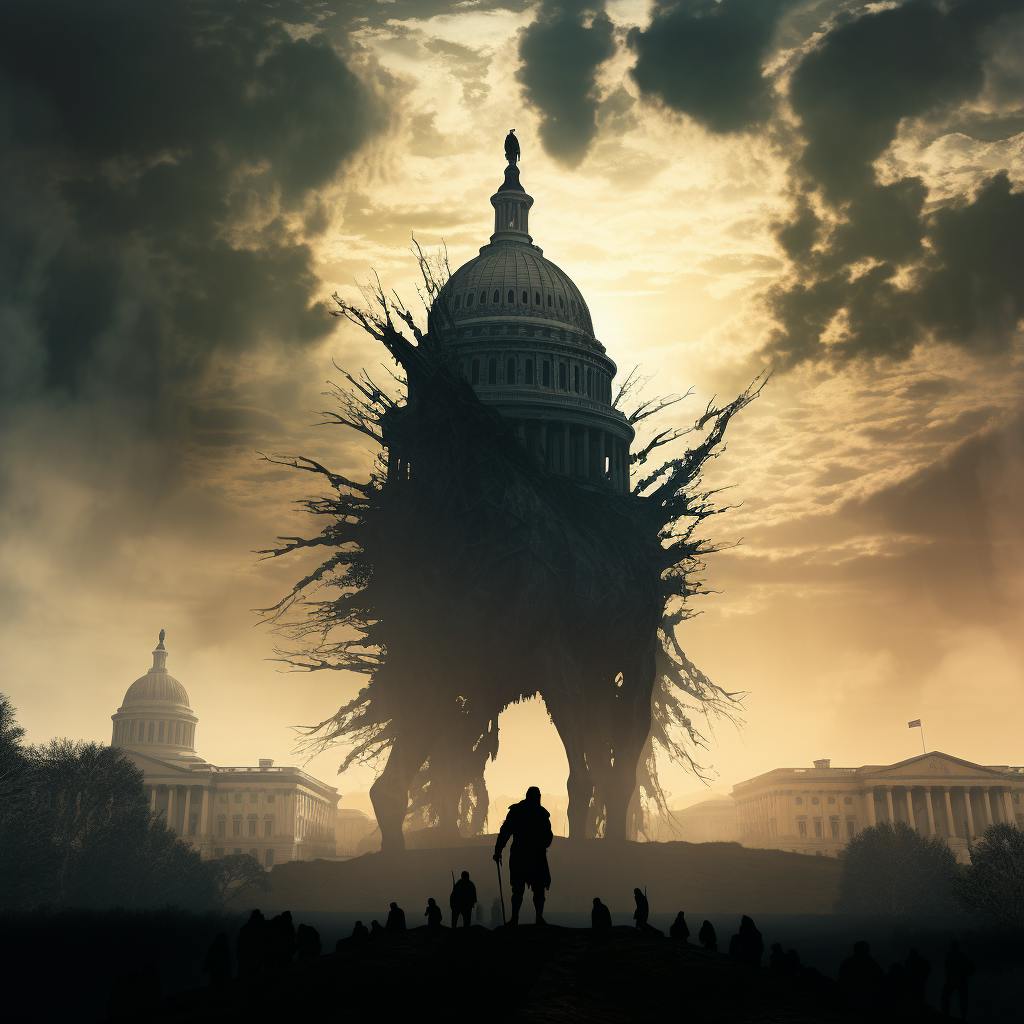
Why Congress Can Save Us All episode artwork

EPISODE · Sep 6, 2023 · 59 MIN

Why Congress Can Save Us All

from ChinaTalk · host Jordan Schneider

This episode of China Talk explores the past, present, and future of Congress with AEI's Philip Wallach. We get into: Origins of representative government trace back to medieval England, when the king consulted regional advisors – leading to development of Parliament Founders inspired by this model when establishing Congress, wanting representation for diverse parts of young U.S. But competing visions emerged for how Congress should work: Madison's view: embrace factional conflict and compromise Wilson's view: stronger centralized leadership These tensions played out through different eras of Congress: Early years: backlash against Hamilton’s Treasury power leads to first political party New Deal/WWII: Congress oversees executive branch while enabling key programs Civil rights era: Senate leaders allow extended filibuster, focus national attention, build enduring coalition 1970s reforms decentralize Congress but decrease cooperation between members over time Under 1994 Gingrich revolution, partisan centralization becomes norm – embraced by both parties Potential futures discussed, including a fever dream of Philip's where an immigration crisis actually prompts real lawmaking. Outtro music: Nixon's 1972 campaign song Learn more about your ad choices. Visit megaphone.fm/adchoices

This episode of China Talk explores the past, present, and future of Congress with AEI's Philip Wallach. We get into: Origins of representative government trace back to medieval England, when the king consulted regional advisors – leading to development of Parliament Founders inspired by this model when establishing Congress, wanting representation for diverse parts of young U.S. But competing visions emerged for how Congress should work: Madison's view: embrace factional conflict and compromise Wilson's view: stronger centralized leadership These tensions played out through different eras of Congress: Early years: backlash against Hamilton’s Treasury power leads to first political party New Deal/WWII: Congress oversees executive branch while enabling key programs Civil rights era: Senate leaders allow extended filibuster, focus national attention, build enduring coalition 1970s reforms decentralize Congress but decrease cooperation between members over time Under 1994 Gingrich revolution, partisan centralization becomes norm – embraced by both parties Potential futures discussed, including a fever dream of Philip's where an immigration crisis actually prompts real lawmaking. Outtro music: Nixon's 1972 campaign song Learn more about your ad choices. Visit megaphone.fm/adchoices

NOW PLAYING

Why Congress Can Save Us All

0:00 59:27

No transcript for this episode yet

We transcribe on demand. Request one and we'll notify you when it's ready — usually under 10 minutes.

Frequently Asked Questions

How long is this episode of ChinaTalk?

This episode is 59 minutes long.

When was this ChinaTalk episode published?

This episode was published on September 6, 2023.

What is this episode about?

This episode of China Talk explores the past, present, and future of Congress with AEI's Philip Wallach. We get into: Origins of representative government trace back to medieval England, when the king consulted regional advisors – leading to...

Can I download this ChinaTalk episode?

Yes, you can download this episode by clicking the download button on the episode player, or subscribe to the podcast in your preferred podcast app for automatic downloads.
URL copied to clipboard!