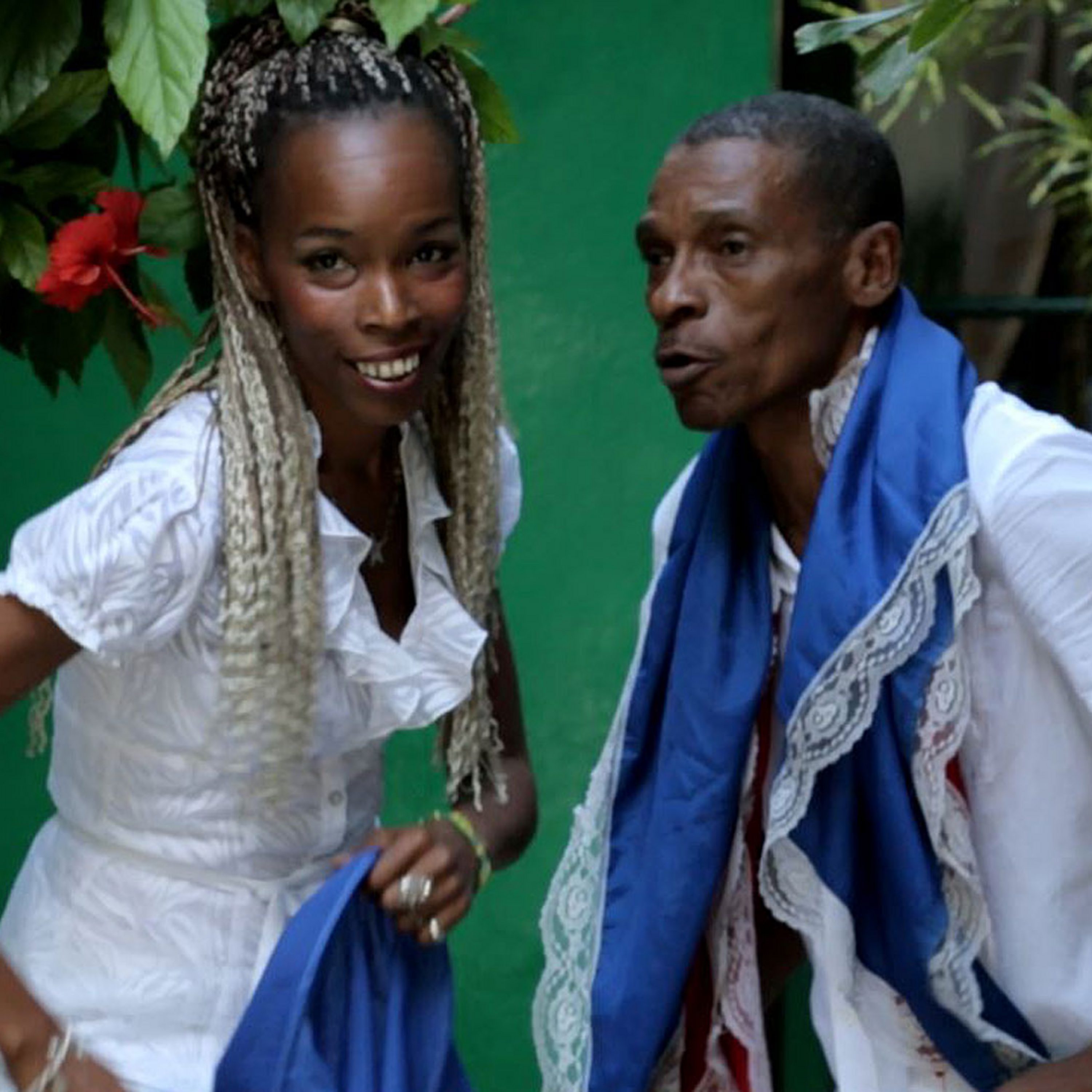
Why Do Humans Dance? episode artwork

EPISODE · May 11, 2018 · 33 MIN

Why Do Humans Dance?

from CrowdScience · host BBC World Service

Kenyan listener Docktor can’t help himself. When music is playing he must move to the beat and he wants to know why. What role does dance play in human evolution? And what does dance mean to us? To help answer the many twists and turns in Docktor’s questions, the CrowdScience team heads to one of the most vibrant and diverse dance scenes in the World, Havana in Cuba. For Cubans dancing is at the heart of their cultural identity. They tell stories, bond with others, practice religion and celebrate their African ancestry through dance ¬– which came to Cuba with the slave trade. For all humans, dancing is intimately connected to our love of music and is likely to be one of our oldest cultural practices. But why would our ancestors have wasted energy on what superficially seems to serve no survival benefits? Evolutionary anthropologist Bronwyn Tarr tells us that one clue lies in the brain. When we dance with others our brains reward us with a cocktail of feel-good hormones and this likely leads to profound social effects. Presenter Anand Jagatia gets challenged on the dance floor, discovers how deeply rooted dance is in Cuban society and why we should dance more.Presenter: Anand Jagatia Producer: Louisa Field(Image: Dancers in Cuba)

Kenyan listener Docktor can’t help himself. When music is playing he must move to the beat and he wants to know why. What role does dance play in human evolution? And what does dance mean to us? To help answer the many twists and turns in Docktor’s questions, the CrowdScience team heads to one of the most vibrant and diverse dance scenes in the World, Havana in Cuba. For Cubans dancing is at the heart of their cultural identity. They tell stories, bond with others, practice religion and celebrate their African ancestry through dance ¬– which came to Cuba with the slave trade. For all humans, dancing is intimately connected to our love of music and is likely to be one of our oldest cultural practices. But why would our ancestors have wasted energy on what superficially seems to serve no survival benefits? Evolutionary anthropologist Bronwyn Tarr tells us that one clue lies in the brain. When we dance with others our brains reward us with a cocktail of feel-good hormones and this likely leads to profound social effects. Presenter Anand Jagatia gets challenged on the dance floor, discovers how deeply rooted dance is in Cuban society and why we should dance more.Presenter: Anand Jagatia Producer: Louisa Field(Image: Dancers in Cuba)

NOW PLAYING

Why Do Humans Dance?

0:00 33:50

No transcript for this episode yet

We transcribe on demand. Request one and we'll notify you when it's ready — usually under 10 minutes.

No similar episodes found.

No similar podcasts found.

Frequently Asked Questions

How long is this episode of CrowdScience?

This episode is 33 minutes long.

When was this CrowdScience episode published?

This episode was published on May 11, 2018.

What is this episode about?

Kenyan listener Docktor can’t help himself. When music is playing he must move to the beat and he wants to know why. What role does dance play in human evolution? And what does dance mean to us? To help answer the many twists and turns in Docktor’s...

Can I download this CrowdScience episode?

Yes, you can download this episode by clicking the download button on the episode player, or subscribe to the podcast in your preferred podcast app for automatic downloads.
URL copied to clipboard!