
EPISODE · May 11, 2026 · 11 MIN
Why "Everyone Is Welcome" Is the Worst Thing You Can Say About Your Brand
from Field Notes Podcast by Brand Shepherd · host Dan Crask
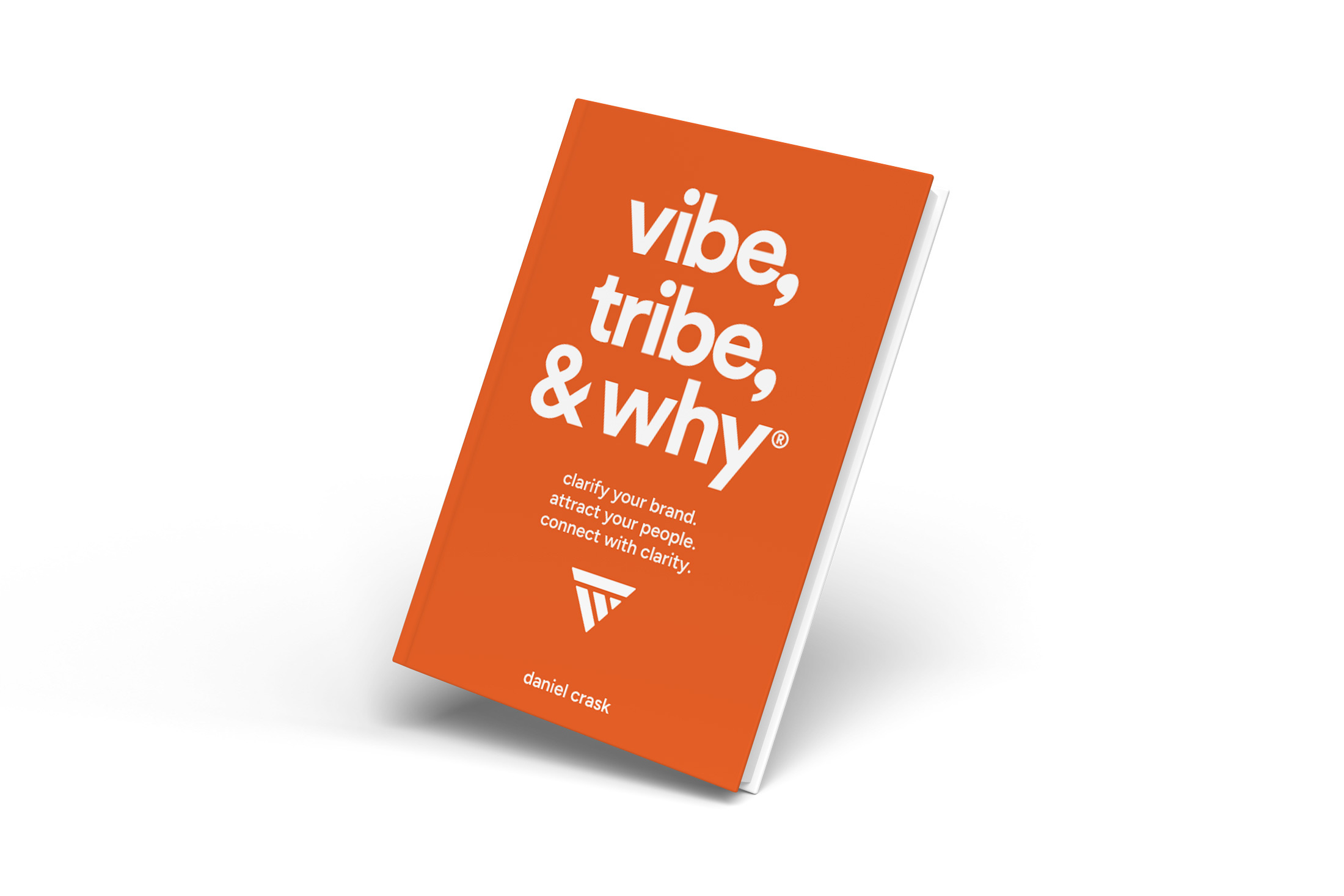
This is the first of three episodes digging into the background of Vibe, Tribe & Why®, Brand Shepherd’s proprietary brand-building framework. Each part has a history. Each part continues to evolve. This episode is about Tribe.And the place to start is a story.The Interview That Never AiredA film crew came to the Brand Shepherd office to conduct an interview. The setup was straightforward: sit Dan down, ask some questions about the work, and capture it on camera.It did not go as planned.About halfway through, the energy in the room shifted. The questions were designed to elicit a certain kind of answer: passion-driven, follow-your-dreams, emotionally charged answers that make for easy, shareable content. What they got instead was a disciplinarian who talks about work in terms of results, profitability, and client outcomes rather than personal mission.By the time the interview wrapped, the room had gone cold.A few days later, an email arrived from the producer explaining that the audio had somehow failed entirely and the footage was unusable. A reschedule was offered. No one ever responded.The lesson wasn’t hard to read. This particular crew was pivoting toward early-stage startup content, seed-stage founder stories, the kind of audience that skews young, underfunded, and hungry for inspiration. Brand Shepherd is upper-middle-class in its pricing by design. Not the most expensive agency in the market, but not chasing the lowest price either. That audience and Brand Shepherd were not a match, and the interview made that obvious to both parties without anyone having to say it directly.Here’s what made it a pivotal moment: not being in front of the wrong tribe turned out to be the right outcome.The Case Against Inclusivity in BrandingThis is where things get uncomfortable for some people, so it’s worth saying plainly.Inclusivity is a fine value in many contexts. In branding, it is a trap.When a brand tries to appeal to everyone, it stops speaking specifically to anyone. It slides into commodity territory, where the only differentiator left is price. That is not a place any serious brand wants to be.Every brand has a tribe: specific people with specific goals, specific motivations, and specific blind spots that make that brand genuinely relevant to their lives. The brand’s job is to be magnetic to those people and, just as importantly, unattractive to the people who aren’t a fit. Not hostile, not exclusionary in any harmful sense, just clearly and confidently positioned so that the wrong audience self-selects out before anyone wastes time on either side.Apple is the obvious example. There is a reason people who prefer Apple prefer Apple, and a reason people who don’t, don’t.That’s branding doing exactly what branding is supposed to do.This is Blue Car Syndrome. Once you start looking for it, you see it everywhere. Car brands, coffee brands, clothing brands, professional service firms. The ones that last are the ones that know who they’re for and say so through every dimension of the brand: the voice, the visual identity, the vocabulary, the vibe.What Tribe Actually Means in PracticeThrough the development of Vibe, Tribe & Why®, and years of applying it across brands of every size, the Tribe component has become specific and actionable. It covers:Goals. What is your tribe trying to accomplish? What does success look like for them?Motivations. What drives their decisions? What do they care about enough to act on?Blind spots. What do they not see clearly about their own situation? This is where a brand can be most genuinely useful.Demographics and priorities. Who are these people in practical terms, and how do you rank the different segments when they pull in different directions?Areas of overlap. This is the most important piece. Most brands have more than one tribe. But you can’t build a separate website for each one. You have to find the territory where those groups share common ground and build from there. That shared space is where the brand lives.Saying No Is an Ongoing PracticeBrand Shepherd made a significant decision this year: shutting down Facebook, Instagram, TikTok, and Twitter.These were not small presences. Some of them were generating page-one search results. That is not a trivial thing to walk away from.The decision came down to the tribe. The audiences those platforms were delivering to Brand Shepherd no longer matched the profile of the client Brand Shepherd actually wants to work with. The ideal Brand Shepherd customer is on LinkedIn and Google Business Profile. Maintaining platforms that were attracting the wrong people, even if those platforms offered some SEO value, was working against the brand.So they went.That kind of decision is hard every time. No one enjoys turning down visibility or potential business. But the alternative is spending time and money attracting people you can’t serve well or don’t want to, and that serves no one.Knowing your tribe well enough to say no is not a one-time exercise. It is ongoing work. The market shifts, audiences evolve, and the brand has to keep making the call about who it’s for and who it isn’t.Coming UpTribe doesn’t operate alone. Vibe and Why are woven through everything, and the three components of Vibe, Tribe & Why® are more cyclical than sequential. The next two episodes of Field Notes get into each of them.Brand Shepherd guides brands to clarity and helps them thrive. New episodes of Field Notes drop weekly. Get full access to Brand Shepherd at brandshepherd.substack.com/subscribe
Embed this episode
NOW PLAYING
Why "Everyone Is Welcome" Is the Worst Thing You Can Say About Your Brand
No transcript for this episode yet
Similar Episodes
No similar episodes found.
Similar Podcasts
No similar podcasts found.