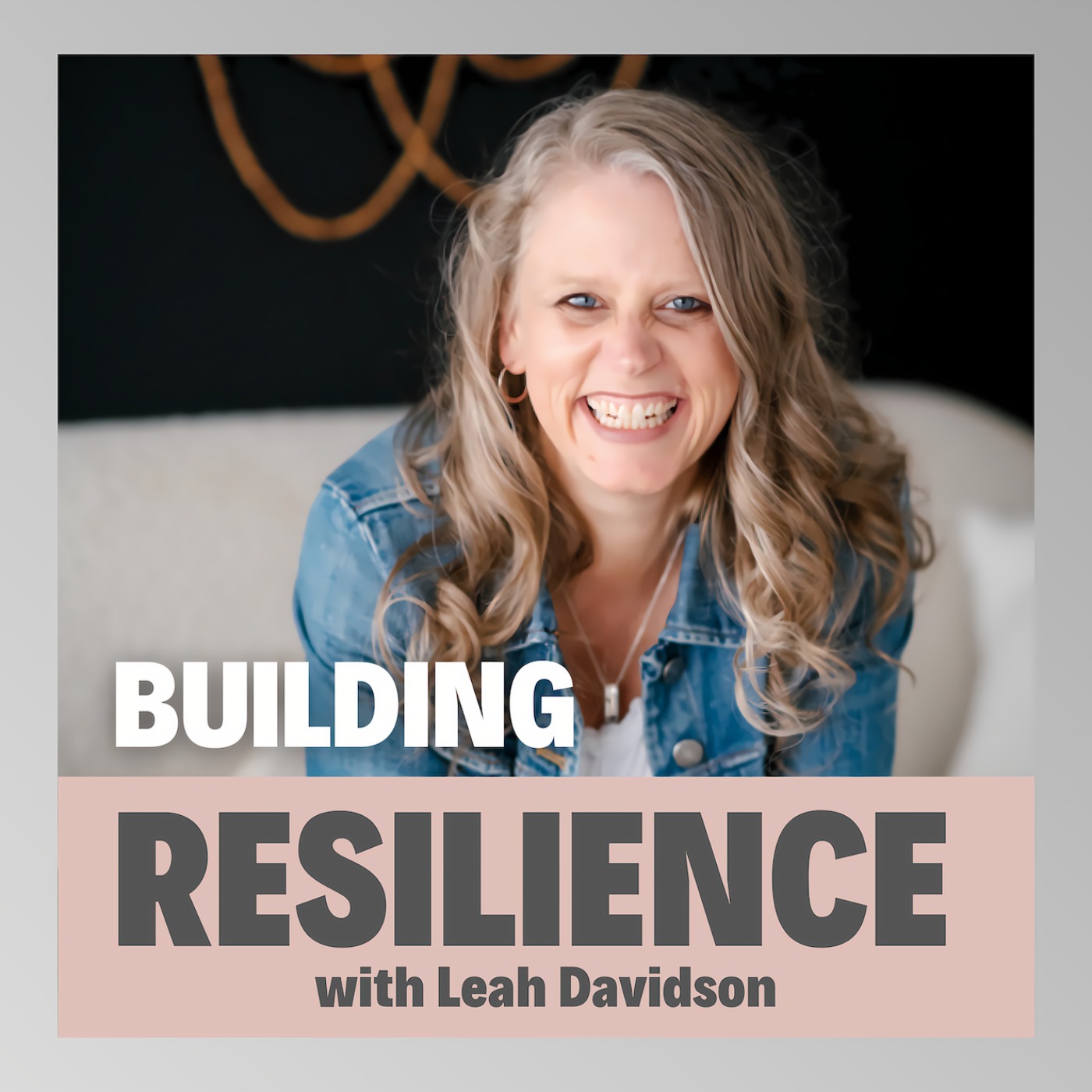
Why Imposter Syndrome Is Not A Bad Thing (Part 1) episode artwork

EPISODE · Jun 11, 2025 · 19 MIN

Why Imposter Syndrome Is Not A Bad Thing (Part 1)

from Building Resilience

Do you ever feel like any minute now, someone’s going to figure out you don’t actually belong, even though you do?In this episode, Leah reframes imposter syndrome not as a flaw to fix, but as a signal that you’re growing. Through neuroscience, personal reflection, and powerful analogies (yes, including “bicycle face”), she explores the real reason you feel like a fraud—and why it’s actually a good sign.You’ll learn:• Where imposter syndrome really comes from• What your nervous system is doing behind the scenes• Why new experiences trigger old survival responses• How neuroplasticity explains the discomfort of growth• The 5 types of imposter syndrome—and which ones resonate with youThis is part one of a two-part series that will help you stop spiraling and start honoring the discomfort of doing something meaningful.⸻⏱️ Timestamps00:00 – The fear of being “found out”01:04 – What we’re covering in part one02:05 – Where imposter syndrome originated03:18 – The “bicycle face” analogy (and what it means today)05:09 – What if imposter syndrome is a sign of growth?05:44 – Your nervous system’s job is survival, not success06:54 – Neuroplasticity: why growth feels awkward07:34 – Leah’s personal story: launching her Resilience journal09:02 – Your body reacts to newness like a threat10:08 – Your brain is scanning for patterns—and gets anxious without them11:44 – The 5 patterns of imposter syndrome (by Dr. Valerie Young)12:00 – #1: The Perfectionist13:11 – #2: The Expert14:08 – #3: The Natural Genius15:20 – #4: The Soloist16:24 – #5: The Superhero17:38 – These are survival strategies, not flaws18:22 – You might show different types in different areas of life18:33 – A final reframe: imposter syndrome as a growth signal18:42 – Preview of part two: regulating & taking action19:01 – Closing⸻🧠 Explore More Tools📝 Get my Resilience Journal to support your healing journey:📌 Amazon US: https://www.amazon.com/s?k=Mental+health+Journal&hidden-keywords=B0DNRSLV9F&ref=nb_sb_noss_1📌 Amazon CA: https://www.amazon.ca/Mental-Journal-Anxiety-Management-Self-Care/dp/B0DNRSLV9F/ref=sr_1_1🧘‍♀️ Join the Nervous System Journaling Club→ https://www.skool.com/nervous-system-journaling-club/about?ref=06e003b61b8148ebbafd3a067f3cc2e1🎓 Learn more:→ The Advanced Nervous System Resilience Training: https://www.amazon.com/Mental-Journal-Anxiety-Management-Self-Care/dp/B0DNRSLV9F/ref=sr_1_1?dib=eyJ2IjoiMSJ9.aXvnLQ5iNMBUxzQYYcrgjg.Ygo_CcAbKDLG3ax4WgUAUannnVgrozTHO0DU3k-rSfw&dib_tag=se&keywords=Mental%2Bhealth%2BJournal&qid=1748849188&sr=8-1&th=1📬 Stay Connected💌 Newsletter: leahdavidsonlifecoaching.com/newsletter📱 Instagram & Facebook: @leahdavidsonlifecoaching Hosted on Acast. See acast.com/privacy for more information.

Do you ever feel like any minute now, someone’s going to figure out you don’t actually belong, even though you do?In this episode, Leah reframes imposter syndrome not as a flaw to fix, but as a signal that you’re growing. Through neuroscience, personal reflection, and powerful analogies (yes, including “bicycle face”), she explores the real reason you feel like a fraud—and why it’s actually a good sign.You’ll learn:• Where imposter syndrome really comes from• What your nervous system is doing behind the scenes• Why new experiences trigger old survival responses• How neuroplasticity explains the discomfort of growth• The 5 types of imposter syndrome—and which ones resonate with youThis is part one of a two-part series that will help you stop spiraling and start honoring the discomfort of doing something meaningful.⸻⏱️ Timestamps00:00 – The fear of being “found out”01:04 – What we’re covering in part one02:05 – Where imposter syndrome originated03:18 – The “bicycle face” analogy (and what it means today)05:09 – What if imposter syndrome is a sign of growth?05:44 – Your nervous system’s job is survival, not success06:54 – Neuroplasticity: why growth feels awkward07:34 – Leah’s personal story: launching her Resilience journal09:02 – Your body reacts to newness like a threat10:08 – Your brain is scanning for patterns—and gets anxious without them11:44 – The 5 patterns of imposter syndrome (by Dr. Valerie Young)12:00 – #1: The Perfectionist13:11 – #2: The Expert14:08 – #3: The Natural Genius15:20 – #4: The Soloist16:24 – #5: The Superhero17:38 – These are survival strategies, not flaws18:22 – You might show different types in different areas of life18:33 – A final reframe: imposter syndrome as a growth signal18:42 – Preview of part two: regulating & taking action19:01 – Closing⸻🧠 Explore More Tools📝 Get my Resilience Journal to support your healing journey:📌 Amazon US: https://www.amazon.com/s?k=Mental+health+Journal&hidden-keywords=B0DNRSLV9F&ref=nb_sb_noss_1📌 Amazon CA: https://www.amazon.ca/Mental-Journal-Anxiety-Management-Self-Care/dp/B0DNRSLV9F/ref=sr_1_1🧘‍♀️ Join the Nervous System Journaling Club→ https://www.skool.com/nervous-system-journaling-club/about?ref=06e003b61b8148ebbafd3a067f3cc2e1🎓 Learn more:→ The Advanced Nervous System Resilience Training: https://www.amazon.com/Mental-Journal-Anxiety-Management-Self-Care/dp/B0DNRSLV9F/ref=sr_1_1?dib=eyJ2IjoiMSJ9.aXvnLQ5iNMBUxzQYYcrgjg.Ygo_CcAbKDLG3ax4WgUAUannnVgrozTHO0DU3k-rSfw&dib_tag=se&keywords=Mental%2Bhealth%2BJournal&qid=1748849188&sr=8-1&th=1📬 Stay Connected💌 Newsletter: leahdavidsonlifecoaching.com/newsletter📱 Instagram & Facebook: @leahdavidsonlifecoaching Hosted on Acast. See acast.com/privacy for more information.

NOW PLAYING

Why Imposter Syndrome Is Not A Bad Thing (Part 1)

0:00 19:38

No transcript for this episode yet

We transcribe on demand. Request one and we'll notify you when it's ready — usually under 10 minutes.

No similar episodes found.

No similar podcasts found.

Frequently Asked Questions

How long is this episode of Building Resilience?

This episode is 19 minutes long.

When was this Building Resilience episode published?

This episode was published on June 11, 2025.

What is this episode about?

Do you ever feel like any minute now, someone’s going to figure out you don’t actually belong, even though you do?In this episode, Leah reframes imposter syndrome not as a flaw to fix, but as a signal that you’re growing. Through neuroscience,...

Can I download this Building Resilience episode?

Yes, you can download this episode by clicking the download button on the episode player, or subscribe to the podcast in your preferred podcast app for automatic downloads.
URL copied to clipboard!